Steam cleaning does remove smells when the odor comes from bacteria, mold, or organic spills trapped in fabrics. The hot vapor kills the microbes causing the scent and flushes them out with water.
However, this method fails if the smell comes from chemical residues, pet urine that has soaked deep into padding, or smoke particles stuck to walls. Your results depend entirely on the source of the odor and how deeply it has penetrated the material.
5 Best Candles To Remove Odors: Top Picks That Truly Work
Who benefits most from steam cleaning
People type this query because they want to fix bad odors without buying new furniture or using harsh chemicals. Some homeowners have pets and need to clean carpets after accidents. Others live in older houses with musty basements or smoky rooms. This guide serves readers whose smells come from organic sources like food, sweat, or mildew. It works best for surface-level problems in washable fabrics.
If your home smells like gasoline, paint thinner, or old cigarette smoke that has settled into drywall, steam cleaning won’t help. Those issues need different tools or professional restoration. Don’t use this method if you expect it to erase chemical fumes or structural damage.
What changes the cleaning result
The success of steam cleaning depends on three main factors: the temperature of the vapor, the type of fabric, and the age of the stain. Higher temperatures kill more bacteria, but delicate fibers like silk or wool can shrink or burn under intense heat. Always check the manufacturer tag before starting. Older stains often set deep into the padding below the carpet, where steam can’t reach.
Fresh spills respond quickly, while month-old odors may need multiple passes. The most common mistake is moving the nozzle too fast. People think faster means cleaner, but the steam needs time to soak in and loosen the grime. If you rush, you only wet the surface and leave the smell behind. Slow down to let the heat work. You can find safe temperature limits on the label attached to your furniture or carpet backing.
How to steam clean for odors
Follow these steps to ensure you remove the smell completely rather than just masking it.
- Vacuum the area thoroughly to pick up loose dirt and hair that block steam penetration.
- Fill the machine with distilled water to prevent mineral buildup inside the heater.
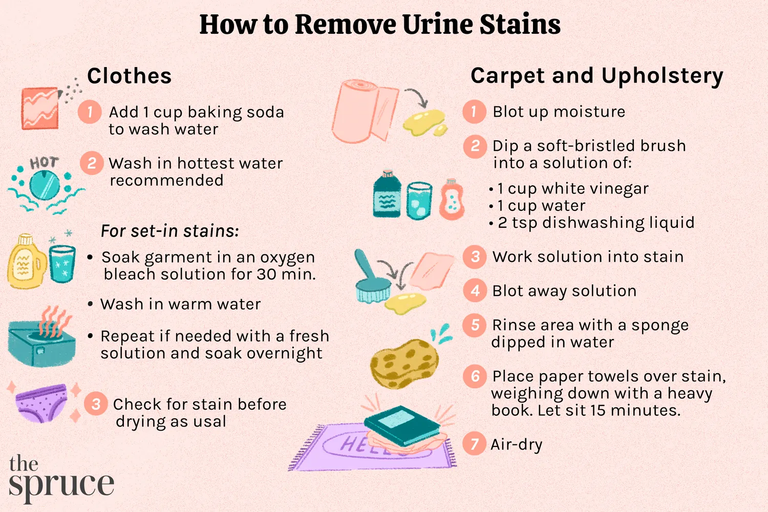
- Pre-treat heavy spots with an enzyme cleaner designed for organic odors, waiting ten minutes.
- Pass the steam head slowly over the fabric, holding it for five seconds per spot.
- Extract the dirty water immediately using the suction function until the pad looks clear.
- Open windows or run fans to dry the area within six hours to prevent new mold.
- Smell the dry fabric; if the odor remains, repeat the process once more before giving up.
The single judgment call here is knowing when to stop. If the smell persists after two full treatments, the source is likely below the surface layer. At this point, continuing to soak the fabric risks water damage without fixing the problem. You may need to lift the carpet and treat the padding underneath, which often requires professional equipment.
Different odor scenarios compared
Not every bad smell reacts the same way to heat and moisture. The table below shows what to expect for common household situations.
| Situation | Action Required | Effort Level | Watch For |
|---|---|---|---|
| Pet urine on carpet | Enzyme pre-treat then steam | High | Deep padding saturation |
| Musty basement rugs | Direct steam pass | Medium | Mold spore spread |
| Food spill odors | Spot steam only | Low | Sticky residue return |
| Cigarette smoke | Avoid steam | None | Smoke turning to tar |
| Sweat on upholstery | Full fabric steam | Medium | Fabric shrinking |
| Mildew in bathroom mats | Hot steam cycle | Low | Rubber backing damage |
| Cooking grease smells | Degreaser then steam | High | Grease spreading wider |
Details that separate good results
Preparation and timing matters
Experienced cleaners know that drying time is just as important as the cleaning phase. If the fabric stays wet for more than twelve hours, new bacteria grow and create a worse smell than before. Beginners often forget to open windows or turn on dehumidifiers. They focus only on the steaming part.
Pros also test a small hidden corner first. This checks if the color bleeds or the texture changes. Skipping this test can ruin an entire sofa. Always wait at least twenty-four hours before judging if the smell is gone. Wet fabric smells different than dry fabric, so patience prevents unnecessary re-cleaning.
Knowing what to avoid
Amateur users often add vinegar or bleach to the water tank. This is a serious error. Vinegar leaves an acidic film that attracts dirt later, and bleach can damage internal seals of the machine. Manufacturers explicitly warn against adding chemicals to the reservoir unless the unit is designed for it.
Stick to plain water in the tank and apply cleaners directly to the floor. Another detail pros watch is the water level. Running the machine dry burns the heating element instantly. Keep the tank topped up during long jobs. These small habits extend the life of your tool and ensure consistent heat output.
Troubleshooting persistent smells
Sometimes the odor returns shortly after cleaning. Use this guide to match the symptom with the cause and solution.
| What you notice | What it usually means | What to do first | How to stop it happening again |
|---|---|---|---|
| Smell returns next day | Fabric is still damp | Run fans longer | Improve air circulation |
| Sour milk scent grows | Bacteria survived heat | Re-steam with higher temp | Hold nozzle longer |
| Chemical burning smell | Plastic melted | Stop immediately | Check fabric rating |
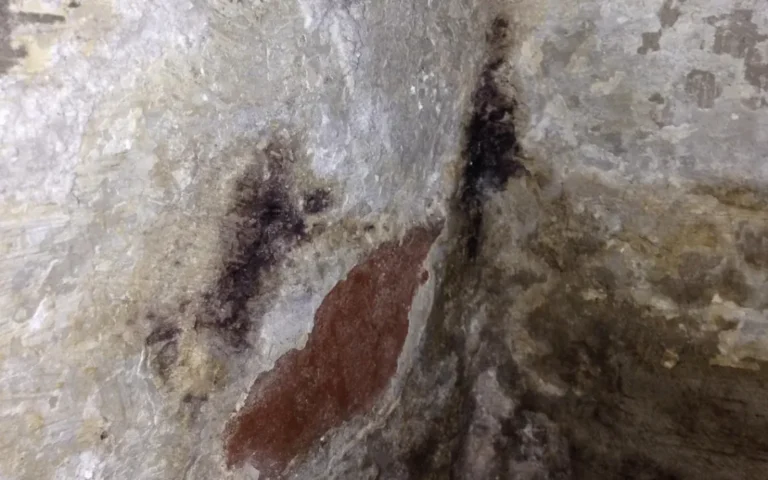
| Musty scent increases | Mold spreading | Call professional | Dry faster next time |
| Urine smell stronger | Urine activated by water | Use enzyme blocker | Pre-treat heavily |
| No change at all | Source is sub-floor | Lift carpet edge | Replace padding |
| Sticky feeling left | Residue not extracted | Rinse with plain water | Suction more thoroughly |
Safety rules and limits
Steam cleaning involves high temperatures that can cause burns or damage materials. The Occupational Safety and Health Administration (OSHA) warns that steam burns can occur instantly upon contact with skin. Always wear closed-toe shoes and keep children away during operation. Never point the nozzle at people or pets.
For electrical safety, plug the unit directly into a wall outlet, not an extension cord, to handle the high power draw. If you’re cleaning up biohazards like blood or feces, follow CDC guidelines for environmental infection control to protect yourself from pathogens. Don’t attempt to clean areas with visible black mold without proper respiratory protection, as steaming can release spores into the air.
Time and effort costs
The real cost of this method is time, not money. A typical room takes forty-five minutes to prep, clean, and dry properly. Larger homes may require a full weekend to complete safely. You save on chemical purchases since water does the work, but you pay in labor. Renting a machine costs an inexpensive amount relative to buying one, while buying one ranges depending on features.
The effort increases if you have heavy furniture to move. You must shift sofas and beds to clean underneath where dust and odors hide. If you can’t lift these items alone, you might need to hire help, which adds to the total expense. Consider whether your time is worth more than hiring a pro who finishes in half the time.
Care after cleaning
Once the job is done, maintenance keeps the fresh smell lasting longer. Vacuum high-traffic areas regularly to prevent dirt from settling deep again. Address spills immediately with a blotting cloth before they become stains. If you notice a damp smell returning, check your humidity levels. Indoor humidity should stay within a recommended range to discourage mold growth.
You can buy a cheap hygrometer to monitor this. Clean the steam cleaner’s filters and empty the tanks after every use to prevent mildew inside the machine itself. A dirty machine spreads bad odors instead of removing them. Store the unit in a dry place with the cord loosely wrapped to avoid wire damage.
When not to use steam
Steam cleaning is the wrong choice for unsealed wood floors, as the moisture causes warping and cupping. It also fails on waxed surfaces because the heat melts the wax into a mess. If the odor source is a dead rodent inside a wall cavity, steaming the carpet above does nothing.
In cases of severe fire damage, smoke particles bond chemically to surfaces, and water alone can’t lift them. These situations require ozone treatment or replacement of materials. Don’t use steam on electronics or near exposed wiring due to shock hazards. If you suspect asbestos in old flooring, don’t disturb it with any cleaning method until a professional tests it.
Frequently asked questions
Does steam cleaning remove pet urine smells?
It removes surface urine smells if treated quickly with enzymes first. Old urine deep in padding often survives and needs replacement.
How long does it take for carpets to dry?
Carpets usually dry in four to six hours with good airflow. Thick piles or humid rooms may take up to twelve hours.
Is steam cleaning safe for all fabrics?
No, synthetic blends and wool can shrink or melt. Always check the care label for “don’t steam” warnings first.
Can steam cleaning remove cigarette smoke odor?
No, smoke residue bonds to walls and fibers. Steam often spreads the tar rather than removing it completely.
What happens if I don’t vacuum first?
Dirt turns into mud when wet, pushing grime deeper into fibers and making the smell worse later.
Does adding vinegar help remove smells?
No, vinegar can damage machine parts and leave a sticky residue. Use plain water in the tank instead.
How often should I steam clean my home?
Deep clean high-traffic areas every twelve to eighteen months. Heavy pet owners may need to do it every six months.
Next steps for fresh air
Start by vacuuming your target area thoroughly to lift deep dust that traps odors, then test a small hidden spot for colorfastness. If the fabric bleeds onto your white cloth, stop; this method works only on stable dyes, not on aged silks or cheap synthetics that run easily.
Expect the fabric to feel damp for several hours before the fresh scent fully settles in, so plan this task for a morning when windows can stay open all day. Humidity above sixty percent will double that drying time and invite mildew instead of freshness.
Stop immediately if you see water pooling or if the material begins to discolor during the process. Pushing through these warnings sets stains permanently, forcing you to replace the entire cushion or upholstery panel rather than simply refreshing it.