Bad breath after wisdom teeth removal usually comes from trapped food debris or bacterial growth in the healing socket, not the extraction itself. This odor typically peaks between days three and five as the blood clot stabilizes and oral hygiene resumes cautiously.
Your specific cause depends on how many days have passed since surgery, whether you’re using prescribed rinses correctly, and if pain or swelling accompanies the smell. These factors determine whether it’s normal healing or a complication needing professional attention.
Who needs this information
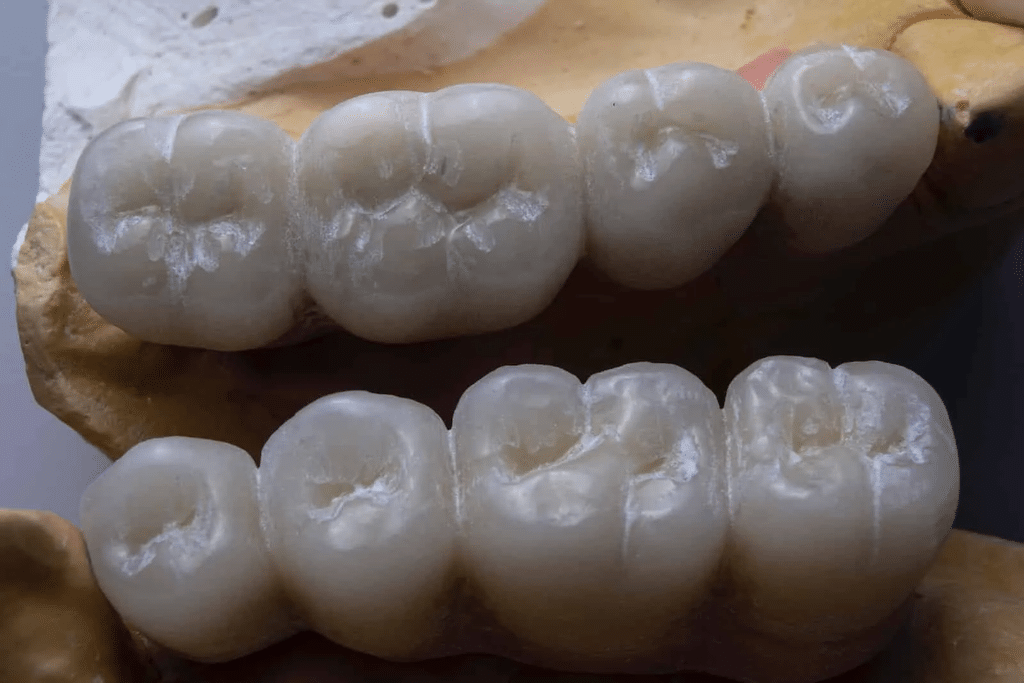
Patients three to seven days post-extraction noticing foul odors without severe pain need reassurance and cleaning guidance. They’ve followed basic instructions but worry the smell signals infection or dry socket. This page serves them with safe self-checks and clear warning signs.
People experiencing bad breath immediately after surgery or alongside intense throbbing pain need different advice. Immediate post-op odor often indicates bleeding or medication side effects, while pain plus smell suggests dry socket requiring urgent dental care. Neither case fits the standard healing timeline described here.
Readers beyond two weeks post-op with persistent odor should consult their oral surgeon directly. Late-stage smells may indicate retained debris, incomplete healing, or sinus communication that self-care can’t resolve. This article assumes you’re within the first fourteen days of recovery and have no uncontrolled medical conditions affecting healing.
Factors that change the cause
Time since extraction determines which causes are likely. Days one through three typically involve blood breakdown and medication effects. Days three through seven bring food trapping risks as swelling decreases and eating resumes. Beyond day ten, persistent odor suggests healing complications rather than normal recovery.
Oral hygiene method matters more than frequency. Aggressive rinsing before day three can dislodge the protective clot, causing dry socket and severe odor. Gentle salt water rinses after meals starting day two remove debris safely. Your surgeon’s specific rinse instructions override general advice, so check your discharge papers first.
Pain level separates normal healing odor from complications. Mild discomfort with bad breath usually means trapped food. Severe throbbing pain radiating to your ear alongside foul taste indicates dry socket, where the clot has failed. The American Dental Association notes that dry socket pain typically begins two to four days post-extraction and requires professional treatment.
Smoking or straw use dramatically increases complication risk. Suction forces can dislodge clots within hours, introducing bacteria deep into the socket. If you’ve used straws or smoked since surgery, mention this to your dentist even if symptoms seem mild, as early intervention prevents worse outcomes.
Safe steps to check your mouth
- Wait at least twenty-four hours after surgery before attempting any rinse or inspection to avoid disturbing the initial clot formation.
- Mix half a teaspoon of salt into eight ounces of warm water, ensuring crystals dissolve completely before use to prevent tissue irritation.
- Gently tilt your head side to side over the sink for thirty seconds, letting gravity move the solution without spitting forcefully.
- Repeat this gentle rinse after every meal and snack starting day two, as food particles lodge most easily during eating transitions.
- Inspect the socket visually using a flashlight and mirror on day four, looking for white bone exposure versus pink granulation tissue.
- Note whether odor improves noticeably within forty-eight hours of consistent gentle rinsing, which confirms debris was the primary cause.
- Track pain levels separately from smell, recording whether discomfort stays localized or spreads toward your ear or temple.
- Contact your oral surgeon if odor persists beyond seven days despite proper rinsing, or if pain intensifies after initially improving.
The critical judgment call is distinguishing acceptable healing odor from infection signs. Normal post-extraction breath smells unpleasant but temporary, improving daily with gentle care. Odor accompanied by fever, pus, or worsening swelling crosses into territory requiring professional evaluation, regardless of how many days have passed.
Different situations at a glance
One lead sentence covers the main variations readers encounter during recovery.
| Situation | What to do | Time needed | Warning sign |
|---|---|---|---|
| Days 1-3 odor | Rest, no rinsing yet | 24-48 hours | Active bleeding continues |
| Food trapping days 3-7 | Gentle salt water rinses | 5-7 days | Pain increases sharply |
| Dry socket suspicion | Call oral surgeon immediately | Professional visit | Bone visible in socket |
| Sinus communication | Avoid nose blowing, call dentist | Variable healing | Liquid exits nose |
| Medication-related taste | Hydrate well, sugar-free gum | Duration of prescription | Allergic reaction signs |
| Poor hygiene access | Use curved-tip syringe gently | Until opening closes | Swelling returns suddenly |
| Beyond two weeks | Schedule follow-up appointment | Assessment visit | Fever or pus present |
Signs of proper healing versus problems
Normal recovery indicators
Healing sockets gradually fill with pink granulation tissue within five to seven days. This tissue replaces the blood clot and typically appears pink, white, or yellowish as part of normal healing. Mild odor during this transition is expected as bacteria process residual blood products.
Gentle rinsing should produce gradual improvement over forty-eight hours. If each rinse removes visible debris and breath fresher slightly afterward, you’re addressing the correct cause. Stagnant odor despite consistent cleaning warrants professional assessment rather than increased rinsing force.
Complications requiring attention
Exposed bone appears grayish-white and feels hard when accidentally touched with tongue or instrument. This exposure creates persistent foul odor because saliva can’t protect bare bone from bacterial colonization. Unlike food debris, this smell won’t improve with rinsing alone and needs medicated dressing placement.
Fever above 100.4°F alongside bad breath indicates systemic infection rather than local debris. Pus discharge tastes distinctly metallic or bitter compared to normal post-surgical flavors. These signs mean home care has reached its limit, and delaying professional treatment risks spreading infection to surrounding tissues or bloodstream.
Solutions for bad breath smell after wisdom teeth removal
One sentence introduces the diagnostic table below for quick reference.
| What you notice | What it usually means | What to do first | How to stop it happening again |
|---|---|---|---|
| Sour taste days 2-4 | Blood clot breaking down normally | Continue gentle salt rinses | Avoid vigorous spitting motions |
| Rotten smell after eating | Food trapped in socket | Rinse immediately after meals | Chew opposite side consistently |
| Foul odor plus sharp pain | Possible dry socket developing | Contact oral surgeon today | No straws or smoking ever |
| Metallic taste with swelling | Early infection forming | Call dentist within hours | Complete full antibiotic course |
| Bad breath only upon waking | Overnight dry mouth reducing saliva | Hydrate before bed carefully | Elevate head while sleeping |
| Odor returning after improvement | New debris accumulation | Resume post-meal rinse routine | Inspect socket daily briefly |
Safety limits and professional boundaries
Oral surgeons establish post-operative protocols based on individual surgical complexity and patient health factors. Your specific discharge instructions supersede general guidance presented here, particularly regarding rinse timing and medication schedules. Never substitute online advice for personalized medical direction from your treating provider.
Self-assessment has clear boundaries that protect against serious complications. If you observe pus, experience fever above 100.4°F, or notice liquid passing between mouth and nose, stop self-care immediately and contact your oral surgeon. These signs indicate conditions beyond safe home management, including deep infection or oroantral communication requiring specialized repair.
Attempting to clean exposed bone or pack sockets yourself risks introducing infection and delaying healing. Professional debridement uses sterile instruments and appropriate anesthesia that home environments can’t replicate. The line between helpful self-care and dangerous intervention is thinner than it appears, so err toward calling when uncertain.
Real costs of recovery
Most insurance plans cover complication management as part of the original extraction fee, but verify your specific policy’s oral surgery benefits beforehand. Uninsured patients should ask about payment plans before emergency visits.
Time investment spans seven to fourteen days for uncomplicated recovery. Each day requires fifteen minutes total for gentle rinsing and monitoring, spread across multiple sessions. Missing work typically isn’t necessary beyond the initial three-day rest period unless complications develop, though individual healing rates vary significantly.
Effort focuses on consistency rather than intensity. Over-cleaning damages healing tissue just as surely as neglect does, so resist the urge to scrub or probe sockets. The real currency here is patience, as rushing recovery through aggressive hygiene often extends total healing time by disrupting natural tissue regeneration processes.
Maintaining oral health after healing
Complete socket closure takes six to eight weeks, though surface healing occurs faster. Continue gentle rinsing until your dentist confirms full closure at follow-up, typically around week four. Premature cessation allows late-stage debris accumulation in partially healed sites that still trap particles.
Resume normal brushing around extraction sites only after your surgeon approves, usually at the two-week mark. Use soft-bristled brushes initially and avoid direct pressure on scar tissue for another month. Flossing adjacent teeth can restart once tenderness resolves completely, preventing plaque buildup that compromises neighboring gum health.
Monitor the area monthly for six months post-extraction. Late complications like cyst formation or bone fragments surfacing are rare but possible. Any new odor, swelling, or discomfort after initial healing warrants evaluation, as delayed issues respond better to early intervention than watchful waiting.
When this approach is wrong
Severe pain beginning two to four days post-extraction with foul odor indicates dry socket, not normal healing. Self-rinsing can’t replace lost blood clots or manage exposed bone pain. Contact your oral surgeon immediately for medicated dressing placement and pain management adjustment.
Fever, facial swelling, or difficulty swallowing alongside bad breath suggests spreading infection requiring antibiotics. Home care delays appropriate treatment and risks serious systemic complications. Emergency dental or medical evaluation is necessary when these signs appear, regardless of post-operative day count.
Liquid passing from mouth to nose when drinking indicates oroantral communication, a surgical complication. Rinsing or probing worsens this opening and introduces nasal bacteria into the wound. This condition requires specialist repair and specific precautions like avoiding nose blowing that only professional guidance can provide safely.
Frequently asked questions
Why does my breath smell rotten after wisdom teeth removal?
Trapped food debris and bacterial growth in the healing socket cause most post-extraction odors. This typically peaks days three through five as eating resumes before gentle rinsing becomes fully effective. Normal healing odor improves steadily with consistent salt water rinses after meals.
Can bad breath mean I have dry socket?
Yes, but only when accompanied by severe throbbing pain radiating toward your ear. Dry socket odor alone without significant pain usually indicates food trapping instead. The combination of intense pain plus foul taste distinguishes this complication from normal healing processes.
How long does post-extraction bad breath last?
Normal healing odor resolves within seven to ten days with proper gentle rinsing. Persistent smell beyond two weeks suggests retained debris or healing complications requiring professional evaluation. Individual timelines vary based on extraction complexity and personal healing rates.
Is it safe to rinse my mouth after wisdom tooth surgery?
Gentle salt water rinses are safe starting twenty-four hours post-extraction, never before. Forceful swishing or spitting earlier can dislodge the protective blood clot. Follow your surgeon’s specific timing instructions, as complex extractions may require longer initial rest periods.
What happens if food gets stuck in the socket?
Gentle salt water rinsing after meals usually dislodges trapped particles safely. Never use toothpicks, cotton swabs, or water flossers directly in healing sockets. If debris remains despite proper rinsing for forty-eight hours, contact your dentist for professional cleaning.
Does smoking make post-extraction breath worse?
Smoking significantly increases dry socket risk and worsens odor through reduced blood flow and heat exposure. Quitting entirely during recovery prevents both complications and supports faster healing. Even occasional smoking disrupts clot stability and introduces harmful chemicals to vulnerable tissue.
Can antibiotics fix bad breath after extraction?
Antibiotics treat confirmed infections but don’t address debris-related odor or dry socket. Your dentist prescribes them only when clinical signs indicate bacterial infection beyond normal healing. Unnecessary antibiotic use promotes resistance without solving mechanical causes like trapped food particles.
Next steps for your recovery
Begin gentle salt water rinses after meals if you’re past the first twenty-four hours post-extraction. Expect gradual odor improvement over forty-eight hours as debris clears naturally. Stop self-care and contact your oral surgeon immediately if pain intensifies, fever develops, or you observe pus discharge.