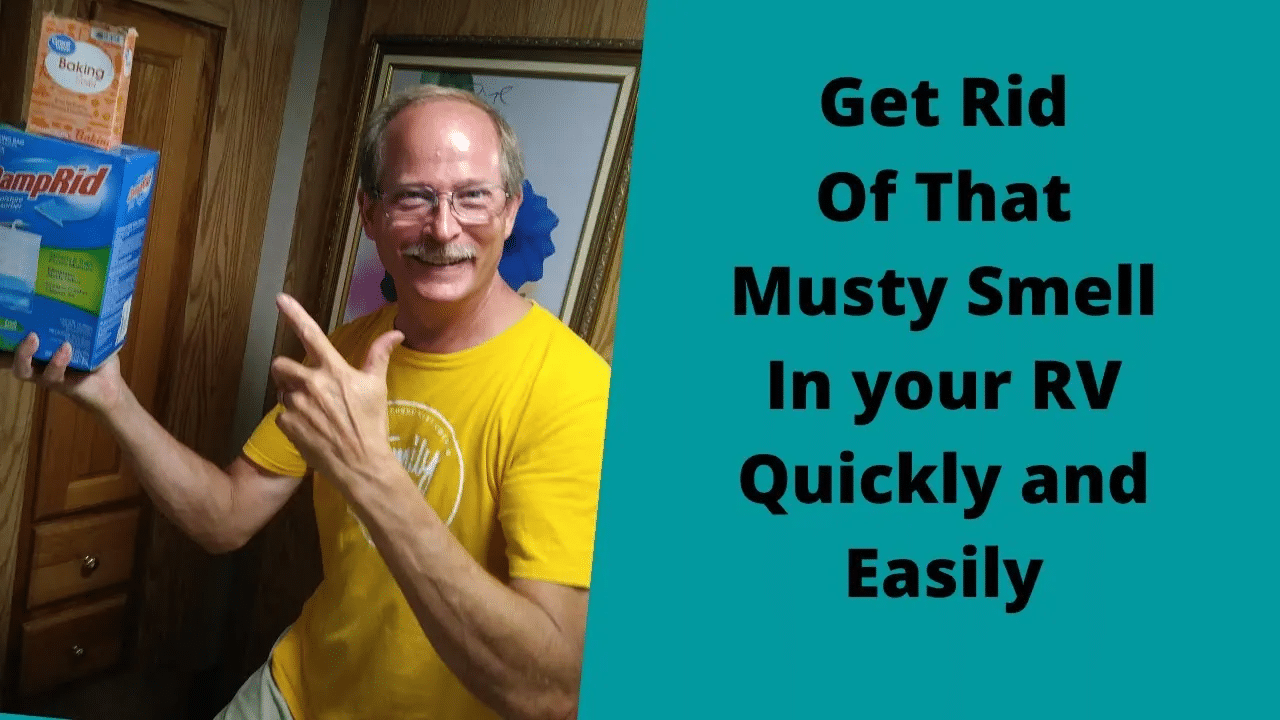
You can remove a musty smell from a camper in one to three days by drying the interior completely and cleaning every surface with a vinegar solution. The exact time depends on how wet the cushions are and whether mold has grown inside the walls. If you only smell dampness on the floor, a single day of airing out might fix it.
The result changes based on your local humidity, the size of your vehicle, and how long the water sat there. High humidity stops the smell from leaving, while large campers need more fans to dry out. Knowing these factors helps you pick the right method for your specific situation without wasting time.
Who needs to remove musty smell from camper
Some people open their camper after winter and smell a little damp air that goes away quickly. Others find wet carpets and black spots on the ceiling that mean serious mold growth. This guide serves the second group who need real steps to kill spores and dry deep layers.
If your seats feel dry and the air clears in an hour, you just need to open windows for fresh air. You don’t need strong chemicals or heavy scrubbing for light odors. People with heavy moisture damage must act fast because waiting lets the problem spread into the wood frame.
This page assumes you have found visible wet spots or a strong odor that stays even after opening doors. It works best for owners ready to move furniture and run machines for several hours. Those looking for a quick spray to hide the scent should look elsewhere since masking doesn’t fix the cause.
What controls the smell removal
Moisture level is the biggest factor that decides how hard this job will be for you. A slightly damp rug dries in four hours with a fan, but soaked foam takes two days or more. You can check this by pressing hard on the cushion; if water comes up, it needs removal.
Airflow matters just as much because stagnant air traps the odor molecules inside the small space. Opening one window does little, but placing a box fan at the door creates a path for dirty air to leave. Many people forget to open roof vents, which lets hot, smelly air escape upward.
Temperature changes how fast the cleaning agents work and how quickly water evaporates from surfaces. Warm days help vinegar dry faster and kill bacteria better than cold mornings. Check your thermometer before starting; if it’s below 50°F (10°C), the process will take twice as long.
The source location often tricks people who clean the floor but miss the wet wall behind it. Smell coming from a corner usually means water leaked through the roof or window seal above that spot. Ignoring the hidden leak means the smell returns within a week no matter how well you scrub.
Steps to eliminate camper odors
- Remove all loose items like rugs, curtains, and pillows to an outdoor area where they can get direct sun.
- Open every door, window, and roof vent to create a cross-breeze that pushes stale air out immediately.
- Place a dehumidifier or two box fans facing outward to pull moisture from the air for at least six hours.
- Mix one cup of white vinegar with one gallon of warm water in a spray bottle for your cleaning solution.
- Spray the mixture onto hard surfaces like walls, floors, and cabinets, then wipe them down with a clean microfiber cloth.
- Scrub fabric seats and carpets with a stiff brush using the same solution, focusing on areas that feel damp to the touch.
- Let everything air dry completely for 24 hours before putting any items back inside the vehicle.
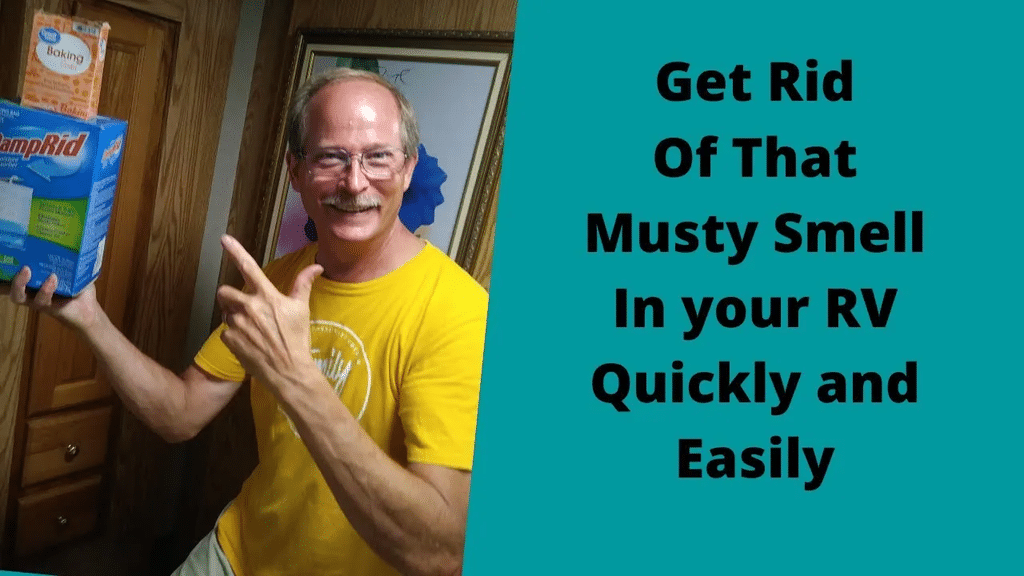
- Place bowls of baking soda or activated charcoal in corners to absorb any remaining faint odors over the next two days.
The single judgement call that separates a good job from a bad one is knowing when to throw away a cushion instead of cleaning it. If the foam feels squishy or smells strong after drying, mold has eaten the inside and you can’t save it. Keeping that item guarantees the smell will return soon.
Different situations and solutions
Not every camper has the same problem, so you must match your effort to the severity of the dampness. The table below shows what to do for five common scenarios you might face when opening your vehicle.
| Situation | Action needed | Time required | Watch for |
|---|---|---|---|
| Light damp air | Open vents and run fan | 4 hours | Return of humidity |
| Wet floor mats | Remove, wash, and dry outside | 1 day | Mold under padding |
| Musty curtains | Machine wash with vinegar | 3 hours | Shrinkage of fabric |
| Damp upholstery | Scrub with solution and dry | 2 days | Lingering wet smell |
| Black wall spots | Cut out wet drywall | 3+ days | Spreading mold lines |
Heavy cases involving black spots often mean water entered the structure itself. This requires cutting into the wall to replace insulation, which is a big repair. Light cases only need surface cleaning and good airflow to resolve the issue fully.
7 Best Car Carpet Odor Eliminators for Fresh Interiors For Smoke, Pets, and Deep Stains
Details experts get right
Preparation before cleaning
Experienced cleaners always test the wood frame behind the walls before they start scrubbing surfaces to find wet studs that hold water long after the carpet looks dry, preventing the smell from returning a week later.
Pros also remove the toilet and sink access panels to check for leaks in the plumbing system. Water often hides under these fixtures and rots the subfloor without being seen. Checking these spots first saves you from cleaning the wrong area entirely.
During the drying phase
The order of drying matters because you must remove water from the deepest layer first. Experts run dehumidifiers continuously for 48 hours rather than turning them off when the air feels dry. This ensures the moisture inside the wood fibers evaporates completely.
They also lift the mattress base to let air hit the bottom of the bed frame. Moisture loves to hide between the bed slats and the floor where fans can’t reach. Leaving this spot wet creates a new home for mold spores to grow again.
Troubleshooting persistent smells
Sometimes the odor stays even after you have cleaned and dried everything you can see. The table below matches what you notice to the likely cause and the fix you need to try.
| What you notice | What it usually means | What to do first | How to stop it happening again |
|---|---|---|---|
| Smell returns fast | Hidden wet wood | Use moisture meter | Fix roof leak source |
| Sour milk scent | Old food spill | Remove seat cushions | Clean under furniture |
| Earthy basement smell | Mold in vents | Run bleach in AC | Replace cabin filter |
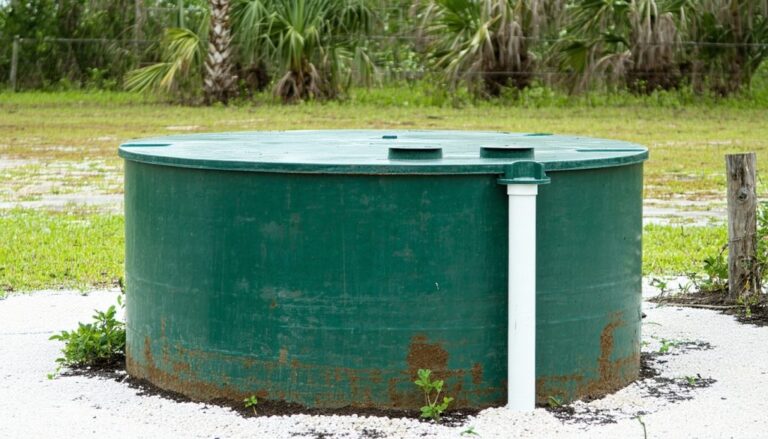
| Rotten egg odor | Sewer tank issue | Empty black water tank | Seal toilet valve tight |
| Chemical plastic smell | Melting wire | Check electrical panel | Call certified technician |
If you smell rotten eggs, don’t try to clean it yourself because it could be a gas leak. Turn off the propane supply immediately and call a professional repair service. Trying to mask this scent with sprays is dangerous and ignores a safety risk.
For earthy smells in the vents, running a diluted bleach solution through the air conditioner helps kill spores. Mix one part bleach with ten parts water and pour it into the intake while the fan runs. Always wear a mask when doing this to avoid breathing in the fumes.
Safety rules for campers
Cleaning mold releases spores into the air that can hurt your lungs if you breathe them in. The EPA recommends wearing an N95 mask and gloves when scrubbing any surface with visible growth. You can read their full guidelines on mold cleanup at the EPA mold cleanup guide.
Never mix bleach with ammonia or vinegar because this creates toxic gas that fills the small space quickly. Stick to one cleaning agent at a time and rinse well between applications. This rule prevents accidental poisoning in a poorly ventilated area.
If the mold covers more than ten square feet, you should hire a professional remediator instead of doing it alone. Large infestations require special containment gear and industrial vacuums that most owners don’t have. Trying to clean huge areas yourself spreads spores to other parts of the vehicle.
Cost of removing odors
Doing this yourself costs very little money but takes a significant amount of your time and effort, as the necessary supplies are inexpensive compared to professional alternatives.
The real cost rises if you need to replace damaged parts like carpet or foam cushions, where new materials can range from affordable to quite expensive depending on what is needed.
Time is the biggest expense since the whole process takes two to three full days to complete correctly. Rushing the drying stage leads to failure, which means you have to start over and double your effort. Plan your weekend so you don’t have to stop halfway through.
Maintaining a fresh interior
After the smell is gone, you must keep the humidity low to prevent it from coming back. Buy a cheap hygrometer to monitor the air; if the number goes above 60%, turn on your dehumidifier. This device tells you exactly when the air is getting too damp for comfort.
Leave a roof vent cracked open whenever you aren’t driving to allow constant air exchange. Stale air builds up fast in a closed metal box, especially during hot summer nights. A small gap is enough to keep the air moving without letting rain inside.
Check your seals around windows and doors every month to catch leaks before they cause damage. Run your hand along the edges to feel for cracks or soft spots in the caulk. Fixing a tiny gap now stops a major mold problem later in the year.
When not to clean it yourself
Don’t attempt to clean the camper if you see large patches of black mold covering the ceiling or walls. This indicates a severe structural issue that requires cutting out the infected material safely. Hire a restoration company that specializes in vehicles to handle this dangerous job.
If the smell is accompanied by a sweet, sickly scent, you might have a dead rodent inside the walls. Cleaning products won’t remove this odor until you find and remove the animal remains. You may need to take panels apart, which is a job for a skilled mechanic.
People with asthma or severe allergies shouldn’t enter a musty camper until a professional clears the air. Breathing in high levels of spores can trigger a serious attack that needs hospital care. Your health is more important than saving money on a DIY cleaning project.
Frequently asked questions
How long does it take to remove the smell?
It usually takes 24 to 72 hours to fully remove the odor, depending on how wet the interior is. Light cases clear in one day, but soaked foam needs three days of drying.
Is vinegar safe for camper fabrics?
Yes, diluted white vinegar is safe for most fabrics and kills mold spores effectively without bleaching colors. Always test a small hidden spot first to ensure the material doesn’t react badly.
Can I use bleach instead of vinegar?
You can use bleach on hard surfaces, but never on fabrics because it damages fibers and leaves a harsh chemical smell. Vinegar is better for soft materials since it breaks down odor molecules gently.
Why does the smell come back after cleaning?
The smell returns because moisture remains hidden inside the wood frame or under the floorboards. You must find and dry the source of the water, or the mold will grow again.
What happens if I ignore the musty smell?
Ignoring the smell allows mold to spread into the structure, causing rot and expensive repairs later. It also creates unhealthy air that can make you sick when you sleep inside.
Does baking soda really work on odors?
Baking soda absorbs faint odors after cleaning but can’t kill active mold or dry wet wood. Use it only as a final step after you have already cleaned and dried the area.
How often should I air out my camper?
You should air out your camper once a week if it sits unused, or anytime after heavy rain. Regular airflow prevents moisture buildup that leads to musty smells in the first place.
Next steps for fresh air
Start by removing all wet items and setting up fans to blow air out of the door today. You should notice the heavy damp scent fade within 24 hours if the airflow is strong enough. Stop and call a pro if you find black mold spreading across the ceiling panels.