Find the moisture source, dry the area, remove mold, seal surfaces, control humidity. If your home smells musty or earthy, your crawl space may be the reason. In this guide, I’ll show you how to eliminate crawl space odor the right way. I have spent years crawling in tight, dark spaces to fix tough smells. You will learn what causes the odor, what to fix first, and how to keep it from coming back for good.
What Causes Crawl Space Odor
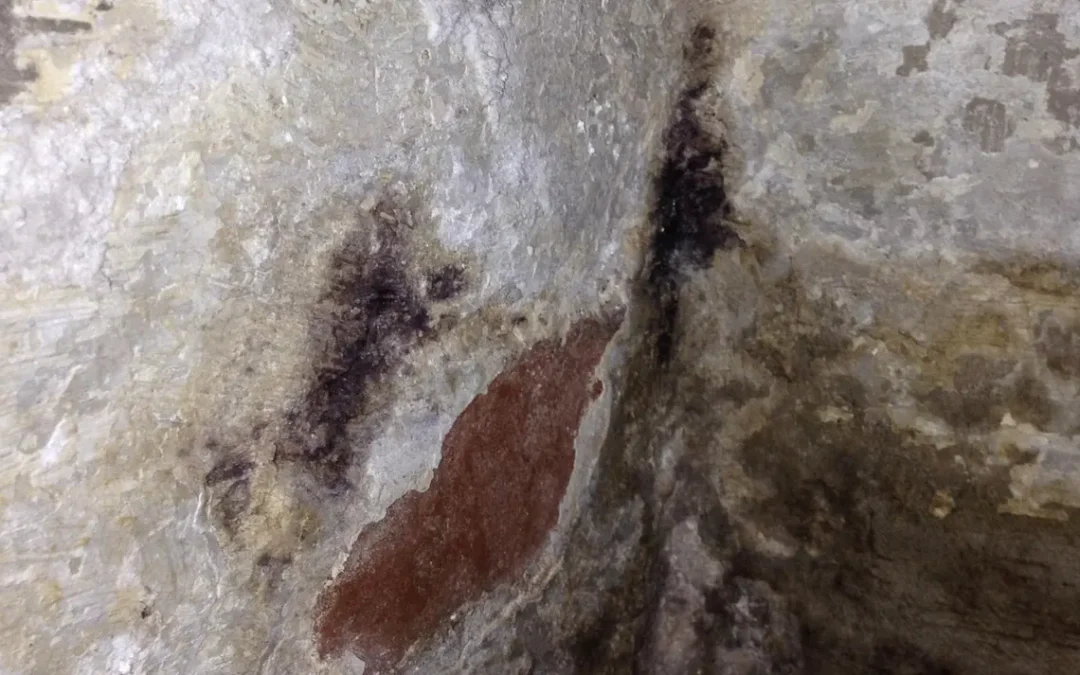
Crawl space odor starts with moisture. Wet soil, leaks, or high humidity feed mold and mildew. Mold releases gases that smell stale, sharp, or earthy.
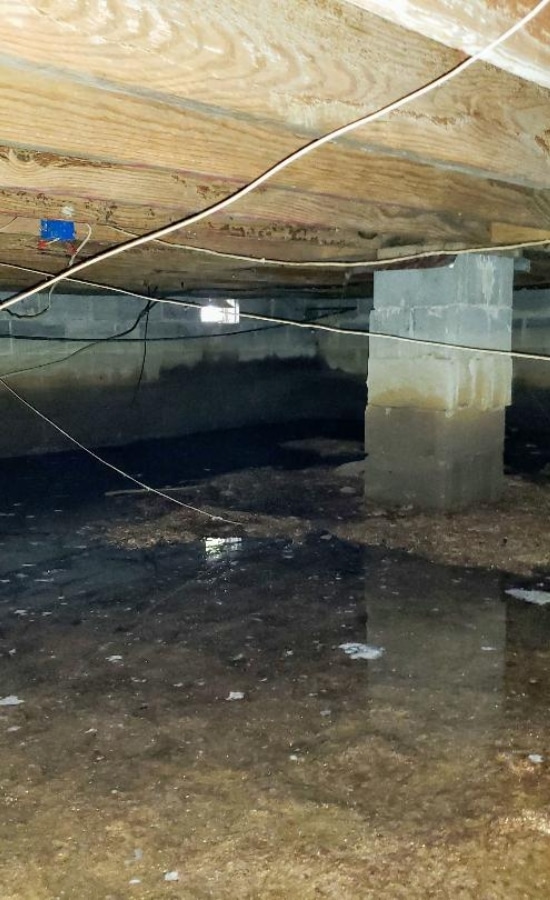
Other sources add to it. Dead animals, rodent urine, and droppings create a strong, sour scent. Standing water can smell swampy. Sewer leaks or cracked pipes bring a sewage smell. Old, damp fiberglass insulation traps musty air.
Air from the crawl space moves up into the home through tiny gaps. This is the stack effect. So a small odor below can become a big problem above. If you want to know how to eliminate crawl space odor, find each source and stop it at the root.
Safety And Tools Checklist
Wear the right gear. Use a P100 or N95 respirator, gloves, eye protection, and a headlamp. Knee pads and a disposable suit help in dirty spaces.
Bring simple tools. A hygrometer for humidity. A moisture meter for wood. Heavy bags, duct tape, and a bright flashlight. You may need a HEPA vacuum, enzyme cleaner, disinfectant, fans, and a dehumidifier. Keep vapor barrier plastic (10–20 mil), seam tape, foam, mastic, and a utility knife.
Know when to stop. If you smell strong sewer gas, see large mold areas, or suspect asbestos, call a pro. Safety first.
Step-By-Step: How To Eliminate Crawl Space Odor
Follow these steps in order. This is how to eliminate crawl space odor with lasting results.
- Inspect and map the odor
- Walk the outside first. Look for bad grading, short downspouts, and wet soil.
- Check plumbing, HVAC drains, and vent wells.
- In the crawl, note wet spots, stained wood, sagging or damp insulation, and visible mold.
- Bag loose trash. Mark problem areas for repair.
- Remove the source
- Bag and remove dead animals, nests, and droppings. Disinfect the area.
- Replace wet, moldy, or smelly insulation. It holds odor.
- Fix sewer or condensate leaks at once. Clean and dry the soil.
- If ducts smell musty, plan a duct cleaning or liner replacement.
- Dry it out fast
- Pump out standing water. Use fans to move air if the weather is dry.
- Run a crawl space dehumidifier to keep relative humidity at 45–55 percent.
- Vent to the outside during dry days only. In humid weather, it makes things worse.
- Use a HEPA air scrubber if you have one. It reduces fine dust and spores.
- Stop water at the source
- Extend downspouts 6–10 feet. Fix grade so water runs away from the house.
- Add a sump pump and interior drain if water enters often.
- Seal wall cracks. Fix groundwater entry points.
- Lay a thick vapor barrier on the soil. Overlap seams by 12 inches and tape them. Run the barrier up piers and walls and seal tight.
- Treat mold and microbes
– HEPA vacuum dusty or moldy surfaces.
- Clean with a detergent solution first. Rinse and dry.
- Use an EPA-registered disinfectant or a 3–10 percent hydrogen peroxide cleaner on non-porous areas. Avoid heavy bleach use on raw wood in tight spaces.
- Apply a borate wood treatment to help block future growth.
- Seal and encapsulate
- Air seal rim joists, gaps, and pipe penetrations with foam and caulk.
- Close or block vents after encapsulation. Vented crawls often pull in humid air.
- Install 10–20 mil reinforced vapor barrier on floors and up walls. Seal seams.
- Add a dedicated crawl space dehumidifier with a drain line. Set to 50 percent RH.
- Neutralize lingering odors
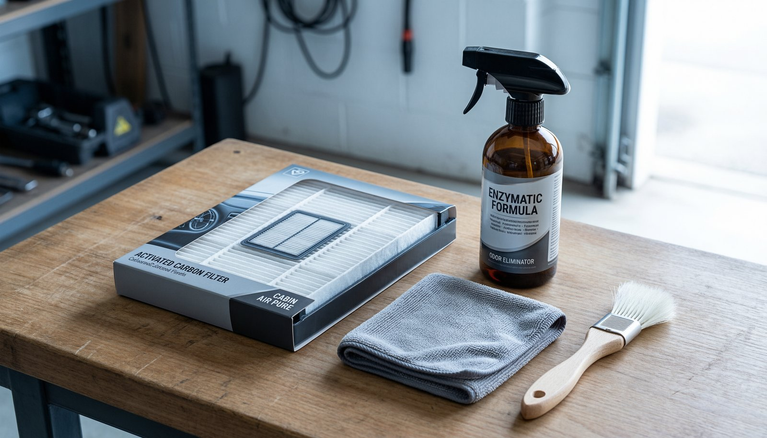
- Place activated charcoal or carbon filters for a few weeks.
- Use enzyme cleaners on organic spills and pet urine spots.
- Avoid quick-fix fragrances. They mask smells and can trap moisture.
- Control pests and re-entry
- Seal gaps around screens, doors, and pipes.
- Set traps if needed. For large infestations, hire a pro.
- Keep food sources out. Store items in sealed bins if you must store below.
- Air seal to the living space
- Seal gaps in the subfloor, around plumbing, and wiring holes.
- This reduces the stack effect and keeps crawl air from entering the home.
- Monitor and maintain
- Place a remote hygrometer in the crawl. Check weekly at first.
- Keep RH below 60 percent year-round. Adjust the dehumidifier as seasons change.
- Recheck tapes and seals after storms. Fix small issues fast.
Personal note: In a 1940s bungalow I treated, the smell was awful. We found a slow tub drain leak, soaked insulation, and a torn vapor barrier. After repairs, a full encapsulation, and a small dehumidifier, the odor was gone in 48 hours. It stayed fresh through a wet spring. That is how to eliminate crawl space odor for good.
Encapsulation vs Ventilation
Encapsulation is the gold standard in most climates. You seal the soil and walls with a thick vapor barrier. You add a dehumidifier and keep vents closed. This keeps RH stable and blocks soil gas. It is the most reliable way for how to eliminate crawl space odor long term.
Ventilation may work in dry, cool regions. It often fails in humid areas. Warm, wet air enters and condenses on cold surfaces. That feeds mold and odors. If you choose vents, use controls that close on humid days. Even then, be ready to add a dehumidifier.
Costs, Timelines, And What To Expect
DIY cleanup and sealing can cost a few hundred dollars. Professional encapsulation may range from a few thousand dollars to more, based on size and repairs. A quality crawl space dehumidifier is often in the mid-hundreds to low thousands.
Dry-out can take 24–72 hours once leaks stop. Odors from dead animals may fade in 1–2 weeks after removal and cleaning. Encapsulation for a mid-size crawl often takes two to three days. Plan time for drainage work if needed.
When you compare bids, look at the scope. The lowest number may skip key steps. To master how to eliminate crawl space odor, the plan must include moisture control, air sealing, and long-term monitoring.
When To Call A Pro
Some jobs need expert help. Call a licensed pro if you have:
- Suspected sewage leaks or a strong gas smell
- Large areas of mold or wood rot
- Structural damage or sagging joists
- Asbestos or vermiculite insulation
- Severe pest infestations
- High groundwater or complex drainage issues
A good contractor can test humidity, wood moisture, and air leakage. They can size the right dehumidifier. They can design drainage and vapor barriers that last. This is often the fastest route for how to eliminate crawl space odor in tough cases.
Prevention And Simple Maintenance
Keep odor from coming back with a light routine. These easy steps pay off for years.
- Check RH monthly. Keep it at 45–55 percent. Adjust settings as seasons change.
- Inspect downspouts and grading every season. Keep water away from the foundation.
- Walk the crawl twice a year. Look for tears in the vapor barrier and new stains.
- Clean condensate lines each spring. Make sure drains are clear.
- Replace dehumidifier filters on schedule. Verify the drain is open and flowing.
- Seal new penetrations after any plumbing or cable work.
- Keep the access door gasketed and tight.
These habits make how to eliminate crawl space odor a one-time project, not a yearly fight.
Frequently Asked Questions Of How To Eliminate Crawl Space Odor
How long does it take for crawl space odor to go away?
Mild musty smells fade in 24–72 hours after drying and cleaning. Strong odors from sewage or dead animals can take one to two weeks after full removal and disinfection.
Is bleach the best way to clean mold in a crawl space?
Bleach is harsh and not ideal on raw wood in tight areas. Use detergent, then an EPA-registered cleaner or a hydrogen peroxide based product, and let it dry well.
Do crawl space vents help reduce odor?
In humid areas, open vents often make odor worse. Encapsulation with a vapor barrier and dehumidifier works better for steady odor control.
What size dehumidifier do I need for a crawl space?
Most homes need a unit rated for 50–90 pints per day. Size it to the square footage, height, and moisture load, and make sure it has a continuous drain.
Can I sprinkle lime or baking soda on the soil to stop smells?
Baking soda can help with light odors for a short time. It does not fix moisture or mold, so use it only as a small add-on to real repairs.
How do I get rid of a dead animal smell fast?
Remove the carcass, bag the materials, and disinfect the area. Vent and dehumidify, then use activated charcoal until the odor fades.
Will odors come back after encapsulation?
They can if water returns or seams fail. Keep RH below 60 percent, fix leaks fast, and inspect the vapor barrier twice a year.
Conclusion
Moisture drives most crawl space odor. Find the source, dry the area, clean and disinfect, then seal and control humidity. That is the proven plan for how to eliminate crawl space odor and keep your home fresh.
Start small today. Check downspouts, measure humidity, and patch obvious gaps. Then plan your cleanup and, if needed, encapsulation. Want more tips on how to eliminate crawl space odor and home air quality? Subscribe, share your questions, or drop a comment with your crawl space story.