Cigarette smoke leaves a sticky residue on leather that traps odor, so removing it requires cleaning the surface with a mild soap solution and conditioning the material afterward. The time needed depends on how long the leather absorbed smoke and whether you treat hidden areas like seams. You can remove cigarette smell from leather by focusing on gentle cleaners that don’t strip natural oils.
The result changes based on the type of leather, the age of the stain, and your patience with repeated treatments. Porous finishes hold more smell than smooth ones, and old smoke needs more steps than fresh odors. This guide helps owners of furniture or car seats who need a safe method without damaging their items.
Who needs to remove cigarette smell from leather
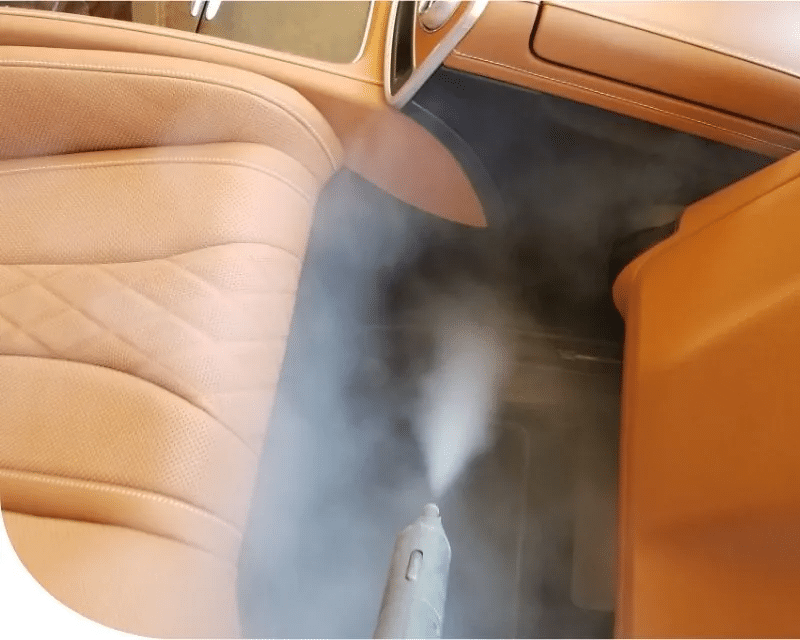
People search for this fix when they buy used furniture, inherit a jacket, or sit in a smoky car. Some want a quick wipe-down before selling an item, while others need deep cleaning for daily use. A third group worries about health risks from third-hand smoke lingering on surfaces in their home.
This page serves owners who want to save their leather goods rather than replace them. It assumes you have basic household supplies and time for drying between steps. If you need instant results for a sale tomorrow, look for professional detailers instead. Renters moving out might find replacement cheaper if the smell has soaked into foam padding under the leather.
Factors that change cleaning results
The type of leather finish decides how deeply smoke particles stick to the surface. Smooth, sealed leather repels some residue, while porous suede or nubuck absorbs it quickly into the fibers. Check your item’s tag or test water on a hidden spot to see if it darkens immediately.
Time matters because old smoke turns into a hard varnish that simple soap can’t lift. Fresh odors from last week wash off easier than years of buildup in a smoker’s car. Run your finger over the surface; if it feels gritty or sticky, the residue has hardened and needs stronger solvents.
Ventilation during cleaning affects how much smell returns after drying. Working outside or in a garage prevents re-depositing airborne particles onto wet leather.
Airflow around the object speeds up drying and carries away loosened smells. Crowding a sofa against a wall traps moisture and odor in the back cushions. Move furniture to the center of a room or hang jackets where wind hits all sides evenly.
Steps to clean smoke residue
- Take the item outside or to a well-ventilated garage to prevent spreading dust inside your home.
- Vacuum every seam and crevice using a soft brush attachment for two minutes to lift loose ash.
- Mix one cup of warm water with one teaspoon of mild dish soap in a bowl until bubbles form.
- Dip a microfiber cloth in the solution, wring it out until barely damp, and wipe one small section at a time.
- Rinse the cloth in clean water, wring it dry, and wipe the same section again to remove soap film.
- Dry the area immediately with a separate dry towel using circular motions to absorb moisture.
- Let the item air dry completely for four hours away from direct sunlight or heat sources.
- Apply a leather conditioner according to the bottle instructions to restore oils lost during washing.
Repeat steps three through six if a white cloth still shows yellow stains after the first pass. Don’t rush drying, as trapped water causes mold that smells worse than smoke. If the leather feels stiff after drying, apply more conditioner until it softens.
Stop and call a professional restorer if the leather cracks, peels, or changes color during testing. Deep damage requires specialized tools and dyes that home kits can’t match safely.
Cleaning methods by situation
Different scenarios need specific approaches depending on where the smoke sits and what tools you own.
| Situation | Action | Effort Level | Watch For |
|---|---|---|---|
| Fresh smoke on jacket | Wipe with damp cloth only | Low | Water spots |
| Old car seat smell | Scrub seams with soft brush | High | Color fading |
| Suede furniture stain | Use specialized suede eraser | Medium | Nap damage |
| Sticky residue layer | Apply vinegar solution lightly | Medium | Drying time |
| Mold mixed with smoke | Disinfect before washing | High | Health risk |
| Valuable antique piece | Consult conservator first | Low | Irreversible harm |
Choose the row matching your item’s condition to avoid wasting time on weak methods. Heavy buildup needs the high-effort scrubbing route, while light odors fade with simple wiping. Always test any liquid on a hidden edge before treating the whole surface.
Details experts get right
Preparation and testing
Experienced cleaners always check the leather type before mixing any solution. They rub a cotton swab with alcohol on a hidden seam to see if dye transfers. If color comes off, they switch to water-only methods to prevent ruining the finish. Beginners often skip this test and bleach large patches by accident.
Pros also remove hardware like zippers or buttons before washing to stop metal corrosion. They lay down towels under furniture legs to catch drips that could stain floors. This small step saves hours of floor cleaning later and protects the workspace.
Drying and conditioning
Experts never use hair dryers or heaters to speed up the process. Heat shrinks leather fibers and locks odor inside instead of releasing it. They wait for natural airflow to dry the item slowly over several hours.
Conditioning happens only after the leather feels completely dry to the touch. Applying oil to damp skin traps water underneath and causes rotting. Professionals wait at least four hours, then apply thin layers of conditioner until the material absorbs no more.
Troubleshooting common issues
Sometimes the smell persists even after following every step correctly due to hidden factors.
| What you notice | What it usually means | What to do first | How to stop it happening again |
|---|---|---|---|
| Smell returns next day | Moisture trapped inside | Air out longer | Increase drying time |
| Yellow stains appear | Soap residue left behind | Wipe with water | Rinse cloth more often |
| Leather feels stiff | Oils stripped during wash | Apply conditioner | Use less soap next time |
| White powder forms | Hard water mineral deposit | Wipe with vinegar | Use distilled water |
| Dark spots develop | Water soaked too deep | Blot gently | Wring cloth tighter |
| Cracks appear suddenly | Leather dried too fast | Stop cleaning | Avoid heat sources |
Address the specific symptom in the left column to fix the root cause effectively. Ignoring moisture traps leads to mold growth that requires medical-grade disinfectants. Always ensure good airflow during the entire process to prevent recurrence.
Safety rules for cleaners
Household cleaning products must meet safety standards to avoid harming users or pets. The Environmental Protection Agency lists guidelines for safe chemical use in homes to prevent respiratory issues. You can read their recommendations on indoor air quality to choose non-toxic solutions.
Never mix vinegar with bleach or ammonia, as this creates dangerous gas clouds. Work in open spaces where fumes dissipate quickly rather than closed rooms. Wear gloves if you have sensitive skin, since repeated exposure to soap dries out hands.
Keep children and pets away from wet leather until it’s fully dry and conditioned. Ingesting residue or licking treated surfaces poses health risks for small animals. Store all cleaning mixes in labeled bottles out of reach immediately after use.
Cost of removing odors
DIY cleaning costs almost nothing if you already own dish soap, vinegar, and microfiber cloths. A bottle of leather conditioner is inexpensive compared to professional alternatives and lasts for many treatments. Professional detailing services are significantly more costly depending on size and severity.
Time is the real currency here, as each cycle takes half a day including drying. Rushing the job often means repeating steps, which doubles your labor investment. Buying cheap substitutes like harsh degreasers risks ruining the item, costing far more in replacements.
Renting ozone generators for severe cases adds a daily fee to your budget. These machines break down odor molecules but require empty rooms during operation. Weigh the rental fee against the value of your leather before deciding to use one.
Maintaining fresh leather
After cleaning, store leather items in breathable bags rather than plastic covers that trap humidity. Check jackets and bags monthly for dust buildup that attracts new odors. Reapply conditioner every six months to keep the surface resistant to stains.
Watch for a return of the sticky feeling on the surface, which signals new residue accumulation. Wipe it down immediately with a dry cloth before it hardens into varnish. Regular maintenance prevents deep penetration that requires heavy scrubbing later.
Avoid parking cars near smoking areas or placing ashtrys near leather furniture. Prevention works better than removal, saving you time and effort in the long run. Keep windows open occasionally to circulate fresh air through vehicle interiors naturally.
When not to clean yourself
Don’t attempt DIY cleaning if the leather is cracked, peeling, or flaking extensively. Damaged surfaces absorb liquids unevenly and worsen the appearance permanently. Hire a restoration expert who can repair the base material before treating odors.
Skip home methods for antique heirlooms worth thousands of dollars without consulting a specialist first. Historical pieces need pH-balanced solutions that grocery stores don’t sell. Mistakes on valuable items reduce their market value significantly and can’t be undone.
If the smell comes from mold growing inside foam padding, surface cleaning won’t help. You must replace the internal filling or discard the item entirely for health reasons. Breathing mold spores causes serious lung problems that outweigh saving the furniture.
Frequently asked questions
How long does the smell take to go away?
Fresh odors vanish in one day, but old smoke needs three to five treatment cycles over two weeks. Drying time between steps adds to the total duration significantly.
Can I use baking soda on leather?
No, baking soda scratches the surface and dulls the finish permanently. Stick to liquid cleaners that dissolve grease without abrasion.
Is vinegar safe for all leather types?
Vinegar works on smooth leather but damages suede and nubuck textures. Test a hidden spot first to confirm compatibility with your item.
How often should I condition after cleaning?
Apply conditioner once after the final wash, then every six months for maintenance. Over-conditioning makes the surface greasy and attracts more dirt.
Does ozone treatment remove all smoke smell?
Ozone breaks down most odors but fails on heavy resin buildup in seams. Combine it with manual cleaning for best results on stubborn cases.
What happens if I use too much water?
Excess water swells leather fibers and causes warping or cracking as it dries. Always wring cloths until they feel barely damp to the touch.
Will the smell come back after rain?
Humidity can reactivate trapped odor particles if cleaning was incomplete. Ensure thorough drying and sealing with conditioner to prevent recurrence.
Next steps for fresh leather
Start by vacuuming your item thoroughly and testing a small patch with soapy water today. Expect the surface to feel cleaner within hours, though full odor removal takes days. Stop immediately if you see discoloration or cracking and contact a professional restorer.