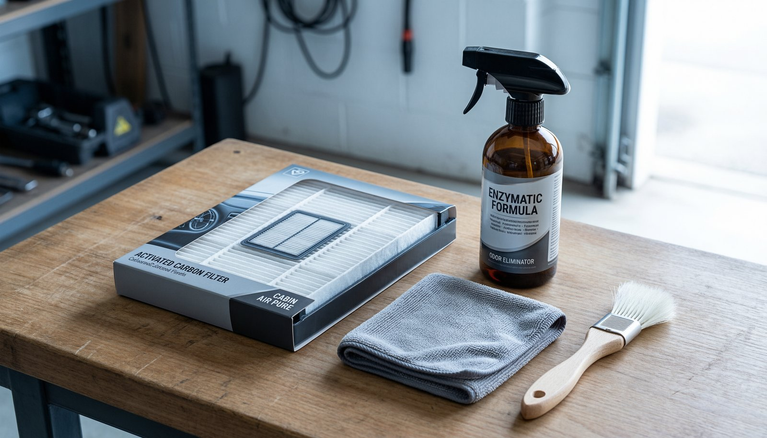
An air conditioner smells like urine when mold, condensation, or animal waste contaminates the equipment. Bacteria feeding on dust along damp cooling coils produce ammonia gases that blow into your living spaces. Clearing the odor requires cleaning the indoor coils, unclogging the condensate drain line, and inspecting the air ducts for pests.
Why Your Air Conditioner Produces a Urine Odor
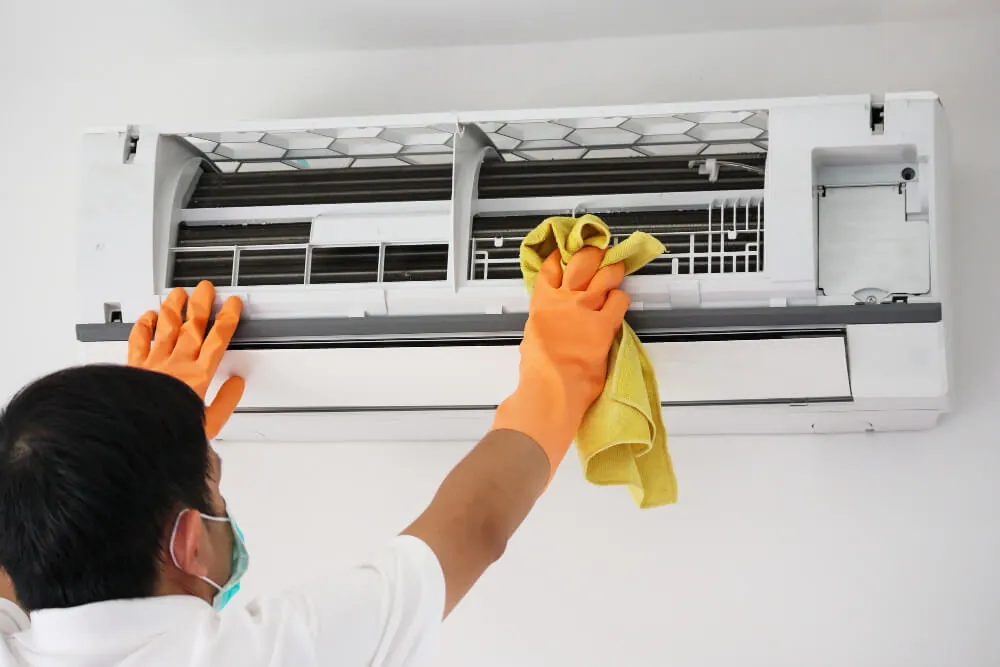
A sharp, chemical urine smell from your vents almost always points to either volatile ammonia or biological breakdown inside the air handler. When warm indoor air passes across the evaporator coils, moisture collects on the metal fins. If dust slips past your filtration setup, that standing moisture creates a breeding ground for specific mold colonies. As these organisms consume organic debris on the coil surface, they release mycotoxins and ammonia compounds that escape into your airflow.
The second primary source is physical pest intrusion inside the crawlspace, attic, or duct runs. Mice, squirrels, and rats seek shelter inside warm sheet metal and insulated flexible ducts during cold snaps or seasonal shifts. Once rodents establish nesting sites, their waste saturates the fiberglass lining and leaks ammonia vapor across the evaporator coil whenever the blower fan activates.
7 Best Car Carpet Odor Eliminators for Fresh Interiors For Smoke, Pets, and Deep Stains
A third cause involves the condensate management system itself. During humid summer afternoons, your cooling setup pulls several gallons of water from the air each day. If standing water sits stagnant in the drip tray due to an algae blockage, anaerobic microbes quickly produce an acidic, pungent stench indistinguishable from animal or human urine.
Is It Safe to Breathe Air That Smells Like Urine?
No, you shouldn’t breathe air carrying a sharp urine or ammonia odor for extended periods because it signals active airborne contaminants inside your ventilation path. While an occasional faint scent during startup might simply mean light coil dampness, a persistent ammonia cloud introduces biological irritants directly into your lungs.
Tip: Turn the thermostat to “Off” at the wall control while checking the filter and drain, which keeps spores and waste gases from spreading through other rooms.
Short-term exposure to these airborne emissions frequently causes eye stinging, throat tickles, sinus pressure, and sudden morning headaches. Individuals managing asthma, seasonal allergies, or chronic respiratory conditions face an immediate risk of symptom flare-ups.
| Smell Characteristics | Primary Source | Immediate Action Required |
|---|---|---|
| Sharp, chemical ammonia scent | Bacterial decay on damp evaporator coils | Deep-clean the indoor metal fins with foaming wash |
| Stale, musky urine with warm air | Clogged condensate drain line and standing pan water | Clear the PVC drain line using a wet vacuum |
| Intense, pungent animal waste | Rodents nesting or dying inside ductwork runs | Inspect ducts, remove waste, and seal entry points |
| Sudden chemical burst at startup | Freon or refrigerant oil leaking near blower fan | Shut off system power and call a certified technician |
The physical particles causing the stench also downgrade your indoor air quality across every connected room.
How to Check Your Cooling Equipment for Odor Sources
You can safely diagnose the origin of the odor by checking accessible access points without dismantling electrical controls or sheet-metal cabinets. Start by gathering a strong flashlight, an adjustable screwdriver, and protective rubber gloves before inspecting the indoor air handler.
First, slide out the return air filter and examine its fabric under good lighting. A wet, discolored, or fur-covered filter restricts airflow and spreads odors instantly across the system. If the filter media feels damp or smells like urine when held a few inches away, replace it before checking deeper parts.
Second, open the primary air handler access door to inspect the condensate drain pan sitting directly beneath the evaporator coil. The shallow plastic or galvanized tray should drain completely dry between cooling cycles. If you see standing brown water, floating slime, or sediment lines along the plastic rim, your PVC drain line is suffering from a partial blockage.
Third, shine your light directly into the return plenum and accessible supply vents. Look for scattered insulation fibers, dark droppings resembling rice grains, or chewed foil tape along flexible duct seams. If you spot physical droppings, don’t sweep them dry, as brushing releases dried waste dust directly into the air.
Finally, step outside and inspect your outdoor condenser unit for external pet activity. Male dogs frequently mark the exterior aluminum fins with urine, which corrodes the soft metal and burns off as a foul vapor during hot operation. Wash the exterior metal fins gently using a garden hose nozzle if you notice white pitting or localized staining on the bottom perimeter.
Steps to Remove the Smell Yourself
If the odor stems from standard coil grime or a blocked drain rather than an active animal infestation, you can resolve the issue using basic hardware supplies. Follow this ordered procedure to sanitize the internal components safely:
- Cut electrical power completely by switching off the dedicated air handler circuit breaker inside your main home electrical panel.
- Remove the disposable air filter from the return grill or cabinet slot, discarding it immediately if it shows any signs of dampness or gray mold growth.
- Open the coil access panel by removing the sheet metal screws holding the front door to the indoor air handler casing.
- Spray self-rinsing coil cleaner generously across the aluminum fins of the evaporator coil, making sure the foaming liquid penetrates between the narrow metal slats.
- Inspect the condensate drain pan underneath the coil, wiping away accumulated sludge and organic sediment with disposable shop towels.
- Flush the PVC drain line by pouring six to eight ounces of ordinary distilled white vinegar directly into the top access tee.
- Vacuum the drain exit point outside your home foundation using a wet-dry vacuum sealed tightly against the pipe end with a rag to pull out remaining sludge.
- Install a fresh pleated air filter with an efficiency rating between MERV 8 and MERV 11 to protect the clean metal surfaces from future dust accumulation.
- Restore electrical power at your breaker panel and run the fan on the “On” setting for twenty minutes to circulate dry air across the treated coil.
Why Does My AC Smell Like Ammonia When Switched On?
An ammonia smell that bursts out the moment the blower starts up indicates that moisture accumulated during the idle period has reacted with biological debris on the cooling components. When the blower fan stops spinning, the internal cabinet temperature rises, creating a humid chamber where bacteria rapidly consume organic dust. The first blast of air carries that concentrated pocket of gas straight into your bedroom or living room.
If the scent returns, evaluate your home’s indoor humidity. When indoor humidity stays above 55 percent relative humidity, cooling coils never dry out between cycles, speeding up bacterial regrowth. Using a dehumidifier or setting your fan to “Auto” prevents moisture from blowing back into the house.
Decomposing insulation inside the air handler cabinet also causes lingering ammonia bursts. Older units use fiberglass liners to dampen sound. Over time, this liner absorbs condensation and fumes, turning cabinet walls into a sponge that releases sour smells. If the insulation feels damp, it requires professional replacement with closed-cell foam.
Cleaning Evaporator Coils vs. Clearing Condensate Lines
Homeowners often confuse dirty coils with clogged drain pipes because both components sit in the same indoor cabinet and produce similar sour smells.
[Return Airflow] —> [Air Filter] —> [Evaporator Coil] —> [Condensate Pan] —> [PVC Drain Line]
V v v
Traps Dander Foam-Cleaned Flushed with Vinegar
Clearing the condensate line focuses on removing physical obstructions inside the rigid white PVC plumbing pipe that leads outside your house.
| Maintenance Task | Frequency | Primary Supplies Needed | Difficulty Level |
|---|---|---|---|
| Replacing pleated air filter | Every 60 to 90 days | Correctly sized MERV 8-11 filter | Very easy |
| Clearing PVC drain line | Every 3 to 6 months | Distilled white vinegar, wet vacuum | Easy |
| Washing aluminum coil fins | Once per year | Expanding no-rinse coil spray | Moderate |
| Deep chemical drain line flush | Once per year | Hot water, line clearing pump | Moderate |
| Ductwork sanitizing and resealing | Every 3 to 5 years | Foil-scrim tape, EPA sanitizer | Professional only |
Preventing Future Odor Build-Up
Stopping urine odors before they start requires keeping the indoor cabinet dry and preventing organic food sources from coating the metal coil surfaces.
Tip: Pour one cup of plain white vinegar down your condensate line drain port every ninety days to kill young algae colonies before they form thick drain plugs.
Keep the perimeter around your outdoor condensing unit free of tall weeds, shrubs, and animal attractants. Trim back decorative plants at least 24 inches away from all four sides of the cabinet to ensure unrestricted exhaust airflow. If neighborhood cats or backyard dogs mark the corner panels, install a low garden border fence or motion-activated sprinkler to protect the aluminum fins from caustic animal spray.
Schedule seasonal duct inspections if your duct runs pass through an unconditioned attic, vented basement, or crawlspace. Small gaps where duct sections join allow curious mice to slip into the conditioned airstream, especially in early autumn. Sealing these exterior seams with fiberglass mesh and duct mastic paste keeps pests out and saves cooling energy.
When to Call an HVAC Professional
While surface cleaning and drain flushing fit within standard homeowner maintenance, certain structural problems demand certified technical intervention. If you notice any of the following warning signs, leave the system powered down and book a professional service visit:
- The urine or ammonia scent remains intensely strong twenty-four hours after you thoroughly clean the coil fins and drain line.
- You hear scratching, scurrying, or thumping noises inside your ceiling ducts when the blower fan turns off.
- You find dark animal feces or shredded attic insulation scattered across the secondary emergency drain pan.
- The indoor evaporator coil shows heavy sheets of white ice, frost, or bubbling oil stains along the copper loops.
- Water has overflowed the primary drip tray and soaked into the ceiling drywall or subflooring beneath the air handler.
Licensed HVAC technicians carry specialized high-pressure flushing rigs, internal duct cameras, and commercial antimicrobial treatments that reach hidden turns within your ventilation trunk lines. Technicians can also perform an electronic halogen sniff test to ensure that the chemical odor you smell isn’t refrigerant leaking from an aged copper joint. If animals have nested inside unreachable flexible duct sections, an HVAC crew must cut away the ruined duct runs, sanitize the sheet-metal junctions, and hang fresh, sealed ducting.
Frequently Asked Questions
Can a refrigerant leak smell like urine?
No, pure refrigerant usually smells faintly sweet, like chloroform, or carries no distinct scent at all. However, when leaking refrigerant mixes with decaying dust, compressor oil, and standing moisture on the coil, it produces an acrid chemical odor that many people mistake for concentrated cat or rat urine.
How do I know if a dead animal is in my vents?
A dead animal produces a thick, putrid, rotten stench that grows rapidly worse over seventy-two hours, unlike the sharp, stinging smell of fresh urine. If a rodent dies in your ductwork, the smell concentrates heavily around one specific supply register and attracts swarms of small flies within days.
Will running the fan continuously get rid of the odor?
No, running the fan continuously keeps the evaporator coil damp and pushes airborne mold spores through your house without giving the moisture time to drain away. Setting the thermostat fan switch to “Auto” lets the coil dry naturally between cooling cycles, which slows bacterial growth considerably.
Can I spray bleach down my air conditioner drain line?
No, you should never pour chlorine bleach into your indoor condensate drain pipe. Bleach fumes eat away at internal copper joints, degrade plastic drain pans, and release hazardous vapors into your living space, while curdling some types of drain algae into rubbery plugs that worsen line clogs.
Can dog urine ruin my outdoor air conditioner?
Yes, repeated dog urine spraying ruins outdoor air conditioner units by eating through the protective coating on the aluminum fins. The acidic uric acid dissolves the thin metal slats, crushes heat transfer efficiency, and corrodes the copper tubes underneath until the system loses its internal refrigerant charge completely.
Does dirty sock syndrome smell the same as urine?
No, dirty sock syndrome smells like stale mildew, gym clothes, or damp basements rather than sharp, chemical ammonia. Both problems stem from biological buildup across the indoor cooling coils, but urine odors involve specific ammonia-producing bacteria, rodent contamination, or pet marking rather than standard wet-dust mildew colonies.
Conclusion
Check your condensate drain exit outside your home while the system runs to ensure water flows freely away from your foundation, noting that the frequency depends on use and the owner’s manual is the authority. Taking a quick look at your air filter every few weeks keeps dust off the cooling surfaces, protecting your home against recurring ventilation odors.