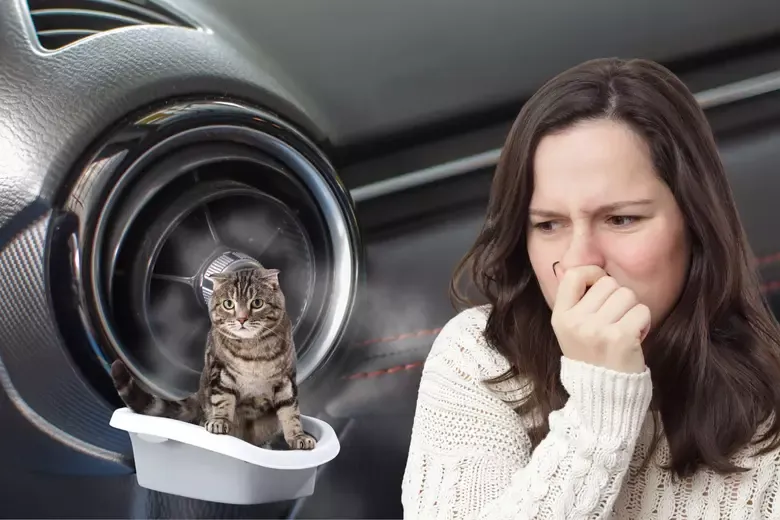
When your ac smells like cat pee, it’s almost always caused by a buildup of biological debris, mold, or bacteria on the damp cooling coils inside your unit. This specific odor occurs because moisture trapped in the system reacts with organic particles, creating an ammonia-like scent that circulates through your home whenever the blower motor runs.
Why Your Air Conditioner Smells Like Cat Pee
When you notice this sharp, ammonia-like scent, it’s helpful to understand that it usually signals a biological issue rather than a mechanical failure. The following causes are ranked from the most common issues to those that require specialized attention.
Dirty Evaporator Coils: These coils stay damp while the unit runs, making them the perfect home for mold and mildew. As air passes over the dirty surface, it picks up the odor and blows it into your living space. If you see a gray, fuzzy film on the coils, you have found the source.
Pest Infestation: Small animals or insects can sometimes enter the outdoor unit or the ductwork. If a pest dies inside the system, the decaying organic matter produces a strong, pungent odor that often mimics ammonia. Check the exterior unit for nesting materials or chewed wires. If you find these, don’t attempt to clear the carcass yourself, as contact with rodent waste can transmit serious diseases.
Dirty Air Filters: When your filter is clogged, it traps dust and biological particles that eventually begin to rot. This damp, rotting mass produces a sour smell that’s easily mistaken for pet waste. A simple test is to remove the filter and run the fan for ten minutes. If the smell dissipates, the filter was the culprit.
Blocked Condensate Drain: If the drain line is clogged, standing water pools in the drain pan. This stagnant water quickly becomes a breeding ground for bacteria and mold, which then releases a foul, heavy scent. Look for water stains on the ceiling or walls near the unit. If the drain line is clear but the pan is full, the pan itself is likely cracked or improperly sloped.
Refrigerant Leak: While rare, some chemical reactions involving refrigerant and certain household materials can produce a strange, chemical odor. This is a serious issue that indicates a leak in the sealed system, which requires immediate professional intervention. If you experience dizziness or headaches while the unit is running, turn the system off and vacate the room immediately.
The most common mistake homeowners make is spraying scented cleaners directly onto the coils to mask the smell. This is a costly error. The chemicals in standard household sprays can corrode the aluminum fins on your evaporator coils, leading to permanent damage and expensive part replacements. Only use cleaners specifically labeled as non-corrosive and approved for HVAC use.
| Symptom | Most Likely Cause | What to Do |
|---|---|---|
| Smell only when cooling | Dirty evaporator coils | Clean or replace filters; schedule professional cleaning |
| Smell near the vent | Dead pest in ductwork | Inspect visible ducts for debris or blockages |
| Smell near the unit | Clogged drain pan | Clear the condensate line of any obstructions |
| Constant, sharp chemical odor | Refrigerant leak | Turn off the system and call a technician |
| Musty scent after rain | Mold in outdoor unit | Clear debris from around the outdoor condenser |
Safety: Inside a mains-powered machine, the parts behind the outer cover can hold a dangerous electrical charge even after it has been unplugged — that’s why they sit behind a cover. Opening the housing, or testing or replacing anything behind it, is a job for a qualified technician, never a home repair.
Is It Safe to Do This Yourself?
You can safely perform basic maintenance tasks like cleaning filters and clearing visible debris, but you must avoid opening any sealed compartments. If you suspect a refrigerant leak or if the smell persists after you have cleaned the accessible parts, you should stop and call a professional.
The Environmental Protection Agency notes that maintaining your cooling system is critical for indoor air quality, yet it warns against handling internal components that involve pressurized gases or electrical wiring. Attempting to access the internal sealed housing or the refrigerant lines is dangerous and often illegal without proper certification.
How to Safely Check Your System
Before calling a pro, you can perform these simple checks to rule out minor problems. These steps are safe for any homeowner and don’t require specialized tools or training.
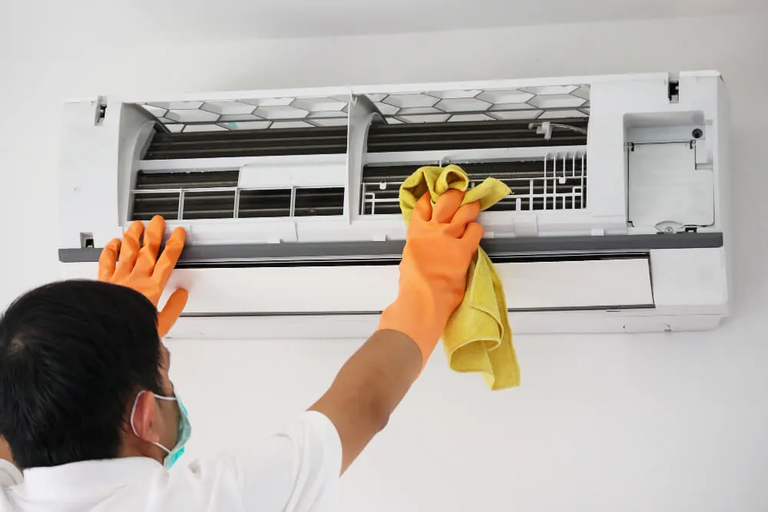
- Inspect the air filter: Remove the filter from its slot and hold it up to a light source. If you can’t see light through the mesh, or if it looks gray and fuzzy, it’s time for a replacement.
- Check the condensate drain pan: Look for the plastic tray located under the indoor unit. If you see standing water or thick, slimy buildup, use a wet-dry vacuum to clear the excess liquid, but don’t scrub the internal components.
- Clear the outdoor unit: Walk outside and look at the metal fins of your condenser. Remove any leaves, grass clippings, or spider webs that are blocking the airflow, as these can trap moisture and heat inside the unit.
- Verify the thermostat settings: Ensure your system is set to “auto” rather than “on.” If the fan is set to run constantly, it will blow air over the damp coils even when the unit isn’t actively cooling, which worsens mold growth.
- Check the surrounding area: Look for signs of pests near the outdoor unit or the duct intake. If you find animal droppings or signs of nesting, clear the area and consider using mesh screens to prevent future entry.
Tip: Start by replacing your filter with a new one of the same size and rating, as this is the most common fix for unexplained household odors.
When Should You Call a Professional?
Deciding when to hire a technician depends on whether the problem is something you can see and clean or something hidden deep inside the machine. If you have replaced the filter and cleared the drain pan but the smell remains, the problem is likely deep inside the evaporator coils.
You need a professional if you notice a hissing sound, if your unit is no longer cooling the air effectively, or if you see ice forming on the lines. These are signs of a sealed system failure that a homeowner can’t reach or repair. A professional will use specialized tools to deep-clean the coils and test for leaks, which ensures your system runs safely and doesn’t pose a health risk to your family.
The primary mistake homeowners make is attempting to recharge refrigerant levels themselves. This is a critical error because modern systems are extremely sensitive to exact pressures. Adding too much refrigerant can cause the compressor to overheat, leading to system failure and expensive repairs.
Use this decision rule to save money: If the issue is airflow-related, such as a clogged filter or debris in the blower housing, handle it yourself. If the issue is temperature-related, such as a lukewarm output or inconsistent cycling, call a pro immediately.
If you see oil spots near the copper tubing, don’t wait. This indicates a refrigerant leak that will eventually burn out your compressor motor. A professional must locate the leak with an electronic detector and braze the joint shut. Ignoring this sign turns a simple repair into a complete unit replacement within a single cooling season.
Frequently Asked Questions
Can a dirty filter really cause a cat pee smell?
Yes, a heavily soiled air filter holds onto moisture and organic particles that eventually rot. When the blower motor pulls air through this damp, decaying material, the smell is pushed directly into your home. Replacing the filter based on your specific usage and the manufacturer’s recommendations in the owner’s manual often eliminates this problem entirely.
Is it dangerous to breathe in this smell?
The smell itself is usually a sign of mold or bacteria, which can cause respiratory irritation or allergic reactions in sensitive individuals. While the odor is unpleasant, the primary risk comes from the underlying mold growth, so you should address the source of the moisture as quickly as possible.
Should I use a chemical cleaner on my coils?
You shouldn’t use harsh household chemicals on your cooling coils because they can damage the metal and leave behind toxic fumes. Stick to gentle, manufacturer-approved coil cleaners if you absolutely must, but it’s safer to have a professional handle the deep cleaning process for the evaporator.
How often should I clean the drain line?
You should inspect the condensate drain line once every season to ensure it’s clear of algae and slime. If you notice water pooling around the indoor unit, it’s a sign that the line is already blocked and needs immediate clearing to prevent damage to your flooring.
Will the smell go away on its own?
No, the smell won’t disappear because the source is biological matter that continues to thrive in the damp environment of your unit. Unless you remove the mold, bacteria, or debris, the odor will persist and likely become stronger as the buildup continues to accumulate inside the system.
Can a dead animal inside the ductwork cause this?
Yes, a dead pest in the ductwork is a common cause of pungent, ammonia-like odors. If you smell the scent only in specific rooms or near certain vents, it’s highly likely that a pest has entered the duct system and remains trapped behind your wall or in the ceiling.
Conclusion
Identifying the root cause of an unpleasant odor in your home is a matter of checking the most accessible parts of your system first. By keeping your filters clean and ensuring the drain lines remain free of debris, you can prevent most biological buildup and maintain a fresh, healthy environment throughout the cooling season.