
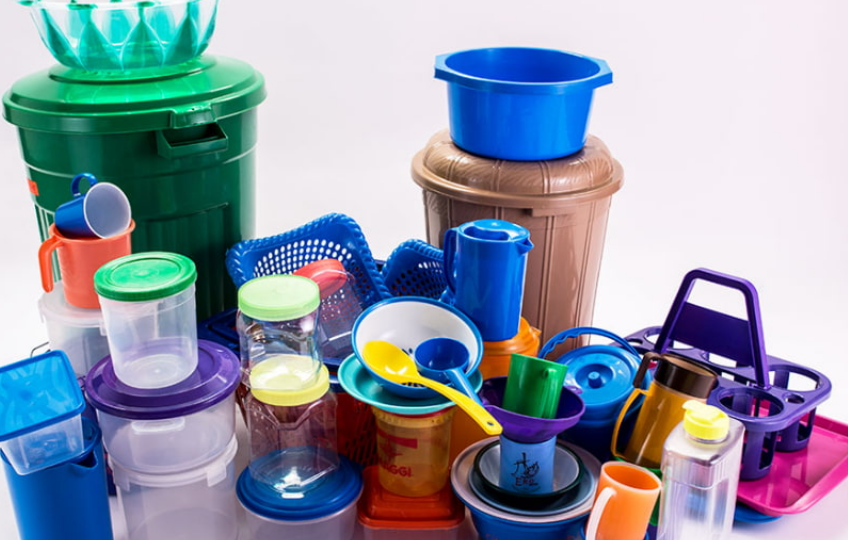
Getting rid of the Chinese plastic smell involves removing the chemical odors that often come with new plastic items made in China. These smells come from volatile organic compounds (VOCs), plasticizers, or even residues from manufacturing and packaging. The good news is, you do not have to live with that strong, unpleasant odor. With the right techniques, you can safely and effectively eliminate the plastic smell from toys, containers, household items, and more.
Remove Chinese Plastic Smell With Proper Airing
The simplest and often most effective way to get rid of plastic smell is by airing out the product. New plastic items usually release gases, especially when first unpacked.
Take the plastic item outside or place it in a well-ventilated room. Leave it exposed to fresh air for at least 24 to 48 hours. For stronger odors, you may need several days. Sunlight can speed up this process, but be cautious: some plastics fade or warp in direct sunlight. If the weather allows, alternate between shade and sunlight.
Airing works because many VOCs evaporate over time. Regularly turning or moving the item helps all sides breathe. For smaller items, a windowsill is ideal.
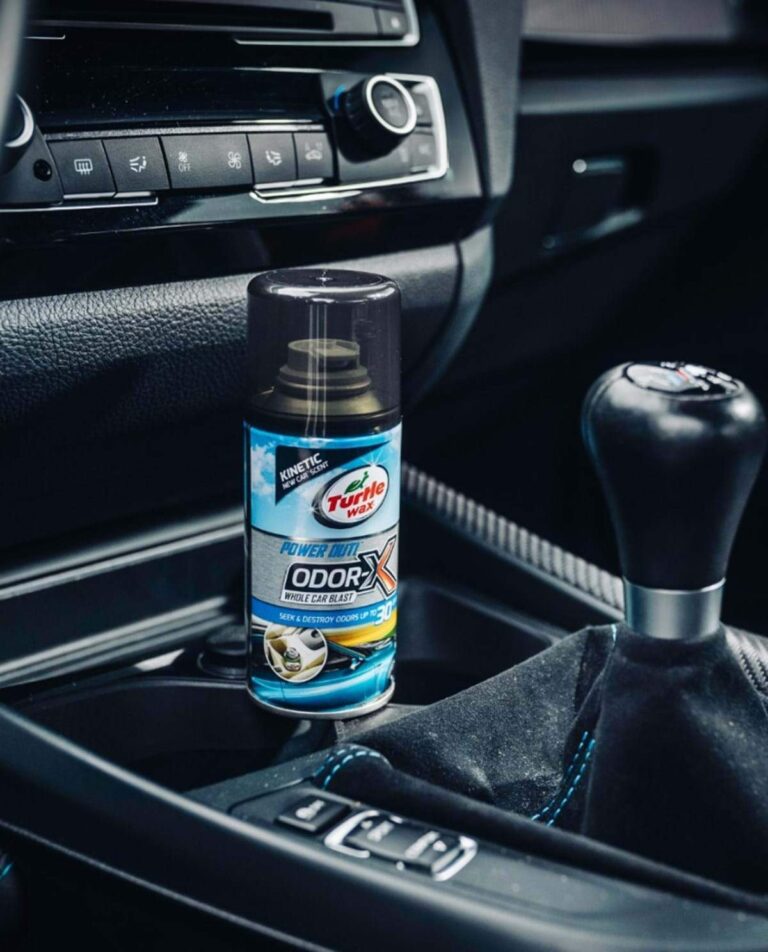
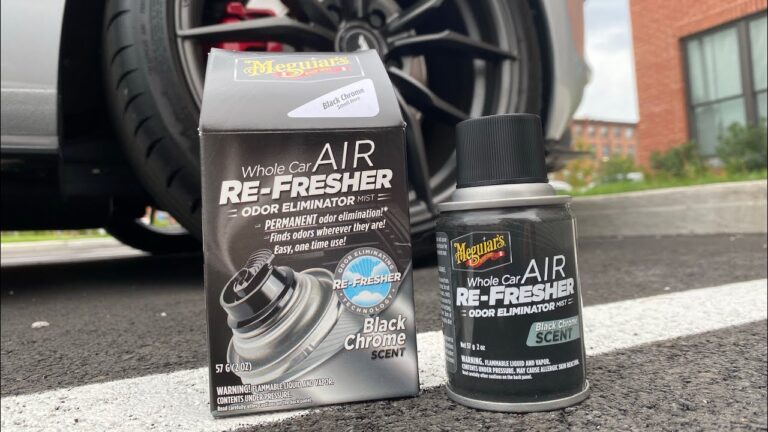
10 Best Car Odor Eliminator: The Only Car Odor Eliminators That Actually Kill Bacteria
Wash With Soap And Water
Washing the plastic item with warm water and dish soap helps remove surface residues and some odor-causing chemicals.
Fill a basin with warm (not hot) water. Add a few drops of mild dish soap. Use a soft sponge or cloth to gently scrub the plastic. Rinse thoroughly with clean water, then dry with a towel or let it air dry.
Repeat if the smell is still present.
Soap breaks down and removes surface oils and residues from manufacturing. For items like food containers or toys, this step is especially important for safety.
Use Baking Soda To Neutralize Odor
Baking soda is a powerful and safe odor absorber. It neutralizes acids and bases, which are often part of the chemical smell.
To use baking soda:
- Sprinkle a layer of baking soda inside or on the surface of the plastic item.
- If possible, place the item in a sealable bag or container with extra baking soda.
- Leave it for 24 to 48 hours.
- Rinse off the baking soda with water.
For very strong smells, repeat the process. Baking soda works well for containers, bottles, and other items with interior spaces.
Try Vinegar Soaks For Persistent Smells
White vinegar is another natural deodorizer that cuts through plastic odors.
Mix equal parts white vinegar and water in a basin. Submerge the plastic item and let it soak for 1-2 hours. Rinse thoroughly to remove any vinegar smell. For items too large to soak, wipe them down with a vinegar-water solution and let them air dry.
Vinegar’s acidity helps dissolve and neutralize chemical residues. However, avoid vinegar on plastics with painted or sensitive surfaces, as it may cause fading.

Use Activated Charcoal For Deep Odor Absorption
Activated charcoal is a professional-grade odor remover. It works by trapping VOCs in its porous structure.
Place activated charcoal (either loose or in a pouch) with the plastic item inside a sealed container or bag. Leave for 24-72 hours. The charcoal will absorb many of the odor-causing molecules.
This method is excellent for electronics, shoes, or anything that cannot be washed. Activated charcoal is reusable; just expose it to the sun for a few hours to refresh.
Try Lemon Juice For A Fresh Scent
Lemon juice is a gentle acid that removes odors and leaves a fresh scent.
Squeeze fresh lemon juice and mix with water. Wipe or soak the plastic item for 15-30 minutes. Rinse well and air dry.
Lemon juice is best for food containers or kitchenware. Its natural oils add a pleasant smell, but avoid on items with metal parts as acid can corrode.
Use Commercial Odor Removers
For tough cases, commercial odor removers designed for plastics may be needed. These products use enzymes or neutralizing agents to break down VOCs.
Read labels carefully and choose products safe for your item. Odor removers are available as sprays, wipes, or soaking solutions. Follow the instructions, and always test on a small area first.
Popular brands include Zero Odor, Gonzo, and Smelleze.
Compare Methods For Odor Removal
Different methods work better for different items and levels of odor. Here’s a quick comparison:
| Method | Best For | Time Needed | Effectiveness |
|---|---|---|---|
| Airing Out | All plastics | 1-7 days | Good |
| Soap & Water | Containers, toys | 30 mins | Moderate |
| Baking Soda | Bottles, boxes | 1-2 days | Good |
| Vinegar | Food-related items | 1-2 hours | Good |
| Activated Charcoal | Electronics, shoes | 1-3 days | Excellent |
| Odor Removers | Persistent smells | 1 hour – 1 day | Excellent |

Avoid Common Mistakes When Removing Plastic Smell
Many people make errors that reduce the effectiveness of odor removal or even damage their items.
- Using boiling water: High temperatures can warp or melt plastics.
- Mixing strong chemicals: Never mix bleach and vinegar or other household chemicals. This can produce toxic fumes.
- Ignoring safety: Always work in a well-ventilated area, especially if the odor is strong.
- Not testing first: Some methods, like commercial sprays or vinegar, can affect color or finish. Test a small area before full use.
- Sealing items too early: Do not store plastic in closed spaces until it’s fully odor-free. This traps the smell.
Being patient is key. Some odors take time to fade, even with repeated treatments.
When To Seek Professional Help
For industrial or large-scale items (e. g. , equipment, car interiors), home methods may not be enough. If the odor does not improve after several attempts, or if it causes headaches or nausea, consider contacting a professional cleaning service. Persistent plastic odors may indicate harmful chemicals, which require expert handling.
Understanding Why Chinese Plastic Smells
The strong smell from Chinese plastic products is not unique to China, but common in mass-produced plastics worldwide. The reason is the use of certain chemicals:
- Plasticizers: Add flexibility but can off-gas.
- VOCs: Volatile organic compounds evaporate easily and cause sharp smells.
- Residual solvents: Used in manufacturing, sometimes not fully removed.
Factories may skip extra cleaning steps to save costs. Some plastics, especially those for non-food use, have fewer restrictions on chemical content. That is why the smell is more obvious on cheaper or unbranded products.
How To Prevent Plastic Smell In The Future
You can reduce the chance of strong odors by choosing products wisely.
- Buy from reputable brands that use safer plastics.
- Check for certifications like BPA-free or food-grade.
- Avoid very cheap, unbranded items for food use.
- Read reviews to see if others mention smell.
If you buy online, ask the seller about odor or request items with better packaging.
Safety Tips For Removing Plastic Odor
Some chemicals in plastic smells can be harmful, especially for children and pets.
- Always rinse items that touch food or skin.
- Avoid inhaling strong odors for long periods.
- Keep cleaning supplies out of reach of children.
- Wear gloves if using vinegar or commercial sprays.
If you feel dizzy or get headaches from a plastic smell, move the item outside and ventilate the area.
Data: Plastic Types And Odor Levels
Not all plastics smell the same. Here’s a quick look at how odor levels compare:
| Plastic Type | Typical Odor Level | Common Uses |
|---|---|---|
| Polyvinyl chloride (PVC) | Strong | Toys, pipes |
| Polyethylene (PE) | Mild | Bags, containers |
| Polystyrene (PS) | Moderate | Packaging, cups |
| Polypropylene (PP) | Mild | Food containers, caps |
Knowing the plastic type helps you predict how strong the smell will be and how many treatments may be needed.
Frequently Asked Questions
Why Do New Plastic Items From China Smell So Strong?
The smell comes from volatile organic compounds and other chemicals used during manufacturing. These can be especially strong if the products are packaged quickly after production, trapping the odor.
Is The Plastic Smell Harmful To Health?
Most plastic smells are unpleasant but not dangerous in small amounts. However, some VOCs can irritate sensitive people or cause headaches. Always air out new plastic and avoid prolonged exposure.
Can I Use Essential Oils To Mask The Plastic Smell?
Yes, essential oils can add a pleasant scent. However, they only mask the smell, not remove it. Always clean and air out plastic first before using oils.
How Long Does It Take For The Smell To Go Away?
The time depends on the type of plastic and the strength of the odor. Simple airing may take a few days, while deep odors can need a week or multiple treatments.
Where Can I Find More Information About Plastic Safety?
You can read more about plastic safety and chemicals in plastics on the Wikipedia Plastic page.
Getting rid of the Chinese plastic smell is possible with the right approach and a bit of patience. By combining airing, washing, and odor absorbers, you can make your plastic items safe and pleasant to use. Always consider safety and choose quality products to prevent strong odors in the future.


One Comment
Comments are closed.