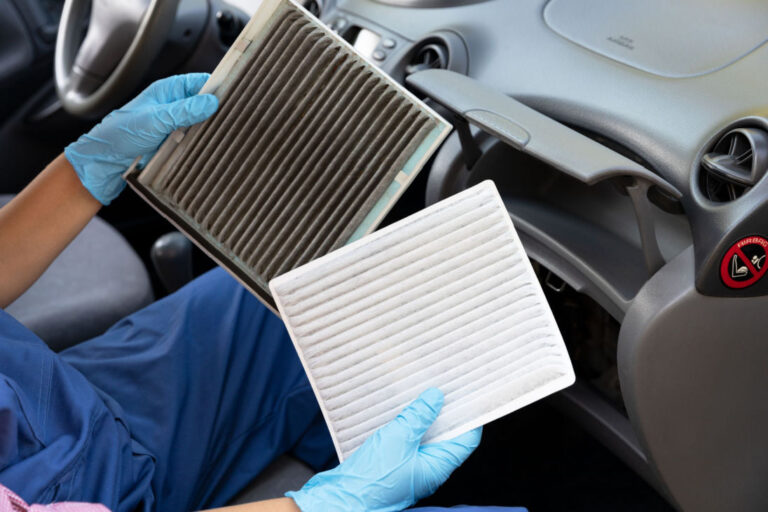
Mouse smell in a car can be removed by first locating and removing any nests, droppings, or dead rodents, then thoroughly cleaning and deodorizing the affected areas. Vacuum the interior, disinfect contaminated spots with an enzyme cleaner, replace the cabin air filter if needed, and use odor absorbers like baking soda or activated charcoal to eliminate lingering smells. Check hidden areas such as under seats, inside vents, and behind glove compartments, since trapped nesting material often causes the strongest odor.
Why Do Cars Get Mouse Smell?
Mouse smell happens when mice get inside your car and leave droppings, urine, or even die in hidden spots. This creates a strong, persistent odor—think of it like a mix of musty socks and ammonia. Mice love cars because they’re warm and safe, especially if you don’t drive often or park near grass, fields, or food sources. Even new cars can get mouse problems if the conditions are right.
A 2021 study from the National Pest Management Association found that 1 in 7 drivers in the US reported rodent issues in their vehicles, especially after long periods of non-use. That means you’re not alone—and there’s a clear process to clear the smell.
First Steps: Finding The Source
The very first step to get rid of mouse smell in your car is to find where the mice have been. The odor usually means there’s a nest, droppings, urine, or sometimes a dead mouse. If you just mask the smell, it’ll come back fast.
Here’s what you should do:
- Check common hiding spots: Look under seats, in the trunk, glove box, air vents, and behind panels.
- Use a flashlight: Mice are great at hiding in tight spaces, so light helps a lot.
- Look for signs: Droppings are small and dark, nests look like shredded paper or fabric, and chewed wires are a giveaway.
If you find a nest or a dead mouse, wear gloves and a mask before touching anything. Mouse droppings can carry diseases like hantavirus, so safety comes first.
Removing Nests, Droppings, And Dead Mice
To truly get rid of mouse smell in your car, remove all traces of mice. This is the hardest part, but it’s the most important.
- Wear gloves and a mask: Never touch nests or droppings with bare hands.
- Use a sealed bag: Put all debris in a plastic bag and tie it tightly.
- Clean the area: Spray with a disinfectant (bleach solution works: 1 part bleach to 10 parts water) and let it sit 5 minutes before wiping.
If you find a dead mouse, double-bag it and dispose of it in an outdoor trash bin. Wash your hands and any tools you used.
Deep Cleaning: Interior Surfaces And Carpets
Once the obvious sources are gone, it’s time to deep clean your car’s interior. Lingering mouse urine and oils can soak into fabric and carpet, trapping the smell.
Start with these steps:
- Vacuum everywhere: Seats, floor mats, trunk, under seats, and even the dashboard.
- Shampoo carpets and fabric: Use a car upholstery cleaner or a mix of vinegar and water (1:1 ratio). Scrub with a soft brush.
- Wipe all hard surfaces: Dash, doors, steering wheel, and center console—use disinfectant wipes or spray.
Don’t forget to clean the air vents—mice often crawl in here. Spray a disinfectant or use a foam cleaner made for automotive HVAC systems.
Odor Neutralizers That Actually Work
Even after cleaning, you might still smell a faint mouse odor. That’s normal—the smell can linger in plastics and foam. Here’s what helps:
- Enzyme cleaners: These break down organic smells. Brands like Nature’s Miracle are made for pet and rodent odors.
- Baking soda: Sprinkle it on carpets and seats, leave overnight, then vacuum.
- Activated charcoal bags: Place them under seats to absorb odors.
- Vinegar bowls: Leave a few small bowls of white vinegar in the car overnight to neutralize smells.
I personally find enzyme cleaners work best for stubborn mouse smells—they get into the tiny spaces where regular cleaners can’t reach.
Best Natural Car Odor Eliminators: Tested 6 Items That Kill Car Odors for Pennies
Comparison: Popular Odor Neutralizers
Here’s a quick comparison of the most common odor solutions for cars:
| Neutralizer | Effectiveness | Time to Work | Best Use |
|---|---|---|---|
| Enzyme cleaner | High | 24-48 hours | Strong, deep odors |
| Baking soda | Medium | Overnight | Light, surface odors |
| Activated charcoal | Medium | Several days | Ongoing prevention |
| Vinegar bowls | Low-Medium | Overnight | Quick freshening |
Airing Out Your Car
Fresh air is your friend when it comes to getting rid of mouse smell in a car. After cleaning, open all the doors and windows for several hours on a dry, sunny day. Sunlight and moving air help break down odor molecules naturally.
If you have access to a garage, leave the car open overnight (but only if it’s safe from more rodents!). Even running the fan/AC with the windows down for 30 minutes can help clear the HVAC system.
Cleaning The Air Conditioning And Heater System
A common mistake is forgetting the HVAC system. If a mouse has crawled into your vents or built a nest, the smell will come back every time you turn on the heat or AC.
To fix this:
- Change your cabin air filter (usually behind the glove box). If it smells bad, replace it.
- Spray disinfectant into the air intake (usually at the base of the windshield) while running the fan.
- For a deep clean, use a foaming HVAC cleaner—these expand through the ducts and kill odor-causing bacteria.
If you’re not sure where your cabin filter is, check your car’s manual or search online for your specific model.
Preventing The Smell From Coming Back
After all your hard work, you don’t want the mouse smell to return. Prevention is key! Here’s what I do:
- Drive your car regularly: Mice avoid moving vehicles.
- Park away from grass, bushes, or food sources: These attract rodents.
- Seal entry points: Check for gaps in the engine bay, under doors, and around wires.
- Use deterrents: Peppermint oil, dryer sheets, or commercial rodent repellents can help keep mice away.
- Remove food and trash: Never leave snacks or crumbs in your car overnight.
Rodent Deterrents: How They Compare
Here’s a simple look at common deterrents:
| Deterrent | Effectiveness | How Long It Lasts | Easy to Use? |
|---|---|---|---|
| Peppermint oil | Medium | 1-2 weeks | Yes |
| Dryer sheets | Low-Medium | 1 week | Yes |
| Commercial repellents | High | 1-2 months | Yes |
| Physical traps | High | Until full | No (needs checking) |
Special Cases: When To Call A Professional
Sometimes, the mouse smell just won’t go away—no matter what you try. If the odor is very strong, or you can’t reach the source, it might be time to get help. Detailing shops can remove seats and panels you can’t access. If you’re worried about electrical damage (chewed wires), a mechanic should check for safety.
Don’t feel bad—sometimes mice get into impossible places, like inside the dashboard or heater core, where only pros can reach.
Two Insights Most People Miss
First: Always check the spare tire well and under the trunk liner. Mice love these dark, quiet spots, and smells here are tough to notice until they get really strong.
Second: If your car smells worse after rain or damp weather, it means mouse urine has soaked into foam or carpet padding. Standard cleaners won’t reach here—you’ll need a wet-dry vacuum or even to remove the padding for deep cleaning.
How Long Does It Take To Get Rid Of Mouse Smell?
On average, it takes 2 to 7 days to fully remove mouse smell from a car. It depends on:
- How quickly you find and remove nests
- How deep the odor has soaked in
- The cleaning products you use
- Airing and weather conditions
Patience helps—a little effort every day works better than trying to do everything at once.
Is It Safe To Drive A Car That Had Mice?
Yes, once you’ve removed nests, droppings, and cleaned thoroughly, it’s safe. But don’t skip gloves and masks during cleaning. If you notice electrical problems (lights, warning signals, non-working accessories), get your car checked—mice sometimes chew wires and create fire risks.
When To Replace Interior Parts
If the smell is still there after deep cleaning, the problem might be in foam or insulation. In rare cases, you may need to replace carpet padding, seat foam, or even the cabin air filter housing. This is usually only necessary if the mouse died in a hard-to-reach spot or the odor lasted for weeks.
Real-life Example
I once helped a friend whose car reeked of mouse smell after being parked for months in a barn. We found a nest behind the spare tire, used enzyme cleaner, and ran the AC with disinfectant. It took 4 days, but the smell never came back.
The key was cleaning every surface and not giving up after the first try.
For more details about mice and vehicle safety, check the Wikipedia page on mice.
Frequently Asked Questions
Why Does My Car Smell Like A Mouse Even After Cleaning?
The smell can linger if even a small amount of mouse urine, droppings, or nesting material remains in hidden places, like under carpets or inside vents. Try enzyme cleaners and check the cabin filter.
How Do I Know If The Smell Is From A Dead Mouse?
A dead mouse usually smells much stronger—think of a sour, rotten odor, not just musty. If the smell gets worse when the car is hot, it’s likely something is decomposing inside.
Can I Use Air Fresheners To Mask The Mouse Smell?
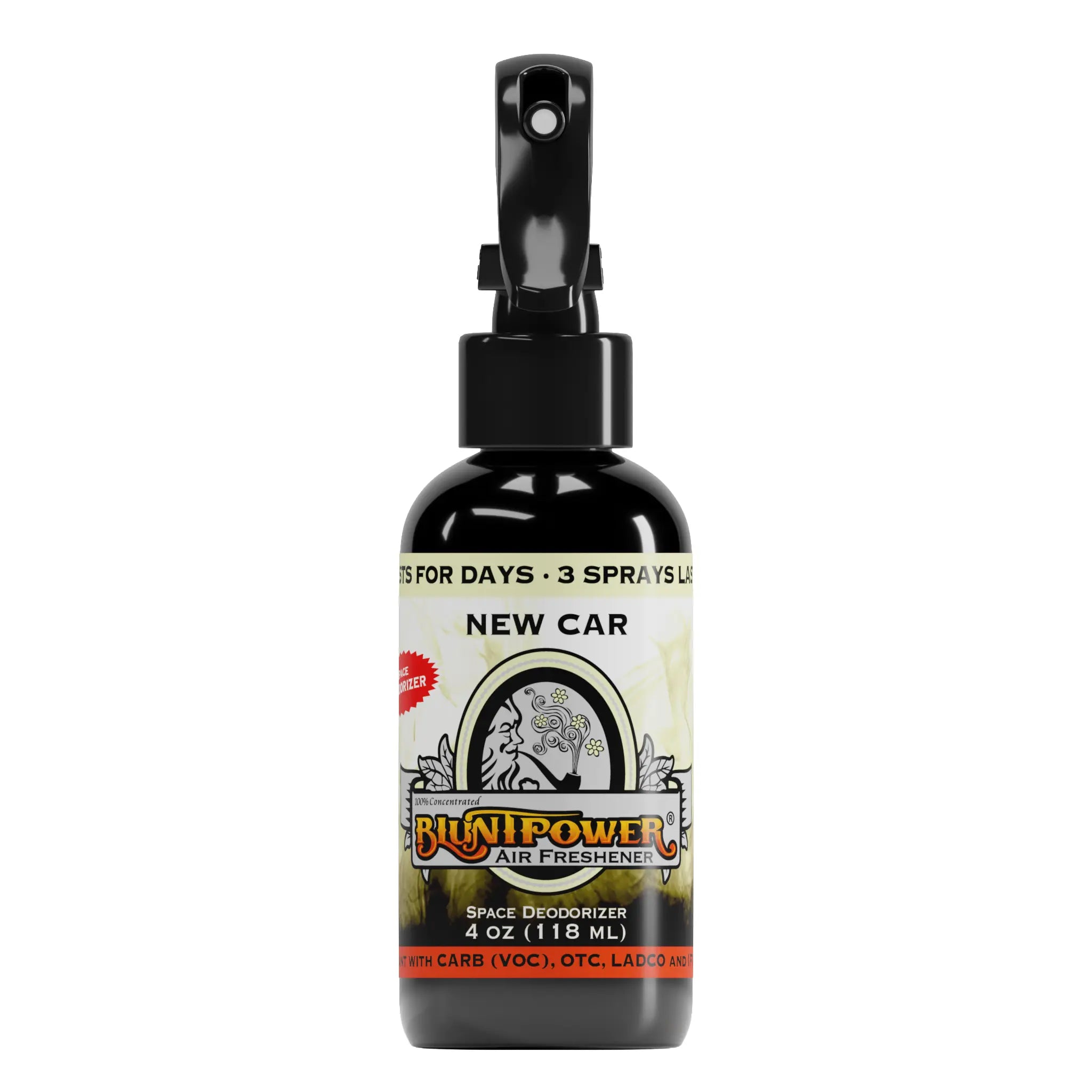
Air fresheners can help a little, but they won’t remove the source. They might even mix with the odor, making it smell worse. Always clean and neutralize first.
Is It Dangerous To Clean Mouse Droppings Myself?
Mouse droppings can carry diseases. Always wear gloves, a mask, and use disinfectant. Never vacuum dry droppings—they can become airborne. Wet and wipe instead.
What’s The Fastest Way To Get Rid Of Mouse Smell In A Car?
Remove nests, clean all surfaces with enzyme cleaner, replace the cabin filter, and air out the car. For light smells, this can work in 1-2 days; strong odors may take up to a week.
Getting rid of mouse smell in your car isn’t fun, but with patience and the right steps, you can enjoy a fresh ride again. Remember, act quickly, clean deeply, and prevent future visits—your nose (and passengers) will thank you!