Clean deeply, clear HVAC odors, and add low-VOC scent layers for a fresh cabin.
You want that crisp, clean showroom vibe again—and you can get it. In this guide on how to get the new car smell back, I’ll show you what creates that scent, how to clean the right way, and how to rebuild it safely. I’ve restored interiors for years, from family haulers to classic coupes. Follow along, and you’ll learn simple steps that actually work, plus pro tips to keep that fresh-note longer.
What “new car smell” really is
If you want to know how to get the new car smell back, start by knowing what it is. That scent is a light blend of off‑gassing from plastics, vinyl, leather, foam, and adhesives. It’s not magic. It’s trace VOCs and clean materials with no embedded odors.
In a used cabin, grime, skin oils, smoke, food, and moisture take over that space. If you try to mask them, it never smells right. Clean first, then add a gentle, low‑VOC scent that fits the car. Replace the cabin air filter and clear the HVAC, or the old smell will return.
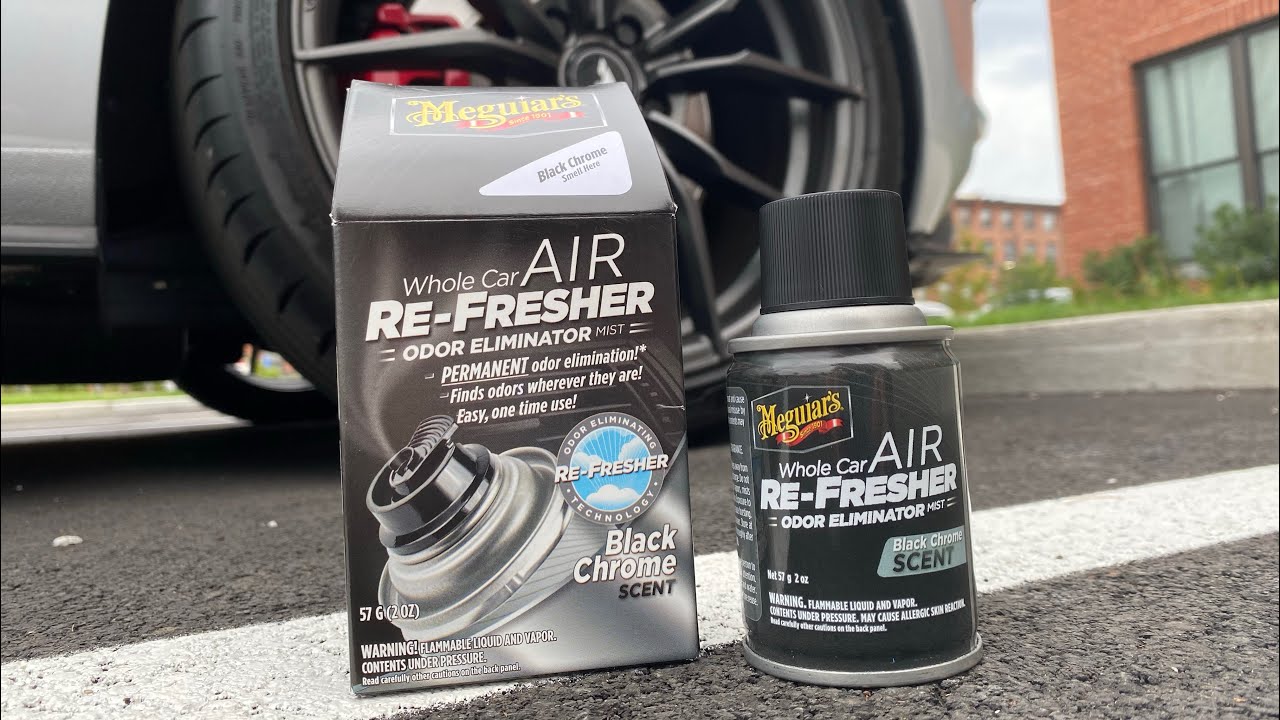
10 Best Car Odor Eliminator: The Only Car Odor Eliminators That Actually Kill Bacteria.
Quick-start: a 60‑minute reset
When people ask how to get the new car smell back fast, I give them this one-hour plan. It will not fix deep issues, but it gives an instant lift.
Do this in order:
- Open all doors and air the car for 5 minutes. Park in shade.
- Remove trash, mats, and seat covers. Shake out the mats.
- Vacuum seats, floors, and crevices. Use a crevice tool. Go slow.
- Wipe hard surfaces with a mild interior cleaner on a microfiber. Steering wheel, console, door cards, dash.
- Lightly mist an enzyme odor neutralizer on carpets and mats. Do not soak.
- Set A/C to fresh air, fan high, temp low. Spray HVAC cleaner into the cowl intake for 10 seconds. Let it run 5 minutes, then switch to heat for 5 minutes to dry the evaporator.
- Swap the cabin air filter if you have it. If not, note to replace it soon.
- Place an activated charcoal bag under a seat for 24–48 hours.
This is your reset button. It clears stale air and grime so later steps can work.
Deep clean method that works
A lasting result comes from source removal. If you need a firm plan for how to get the new car smell back, this is it.
Tools and products:
- HEPA vacuum with crevice and brush tools
- Soft interior brushes and a detailing toothbrush
- pH-balanced all-purpose interior cleaner
- Enzyme cleaner for organic odors
- Fabric shampoo or extractor solution
- Steam cleaner or hot water extractor (optional but great)
- Leather cleaner and conditioner (pH-matched)
- Low-gloss, low‑odor interior protectant (non-silicone)
- Glass cleaner (ammonia-free)
- Activated charcoal bags
- Cabin air filter and HVAC foaming cleaner
Step-by-step:
- Pre-wash door jambs and weatherstripping with a damp microfiber. Grime there can smell and transfer inside.
- Vacuum top to bottom. Seats first, then floors, then trunk. Brush seams as you vacuum.
- Treat stains. Use enzyme cleaner on food, milk, coffee, or pet spots. Blot, do not rub.
- Shampoo carpets and mats. Extract or steam for deep soil. Dry with doors open and fans if you can.
- Headliner care. Light wipe only. Do not soak it, or glue can fail.
- Leather care. Clean gently. Then add a light conditioner that dries dry-to-touch. Over-oiled seats can smell rancid.
- Plastics and vinyl. Wipe with mild cleaner. Finish with a matte protectant. Glossy dressings hold dust and odors.
- Glass inside and out. Clean glass reduces film that can carry smells.
- Trunk and spare tire well. Dry any moisture. Moisture equals musty air.
Let it dry, then add charcoal bags. When the car is dry and clean, you’re ready to add a hint of that fresh “new” note.
Neutralize odors at the source
The key to how to get the new car smell back is to kill the cause. Each odor has a match.
Common sources and fixes:
- A/C evaporator funk. Use a foaming HVAC cleaner via the drain tube or intake. Run A/C cold, then heat to dry after treatment.
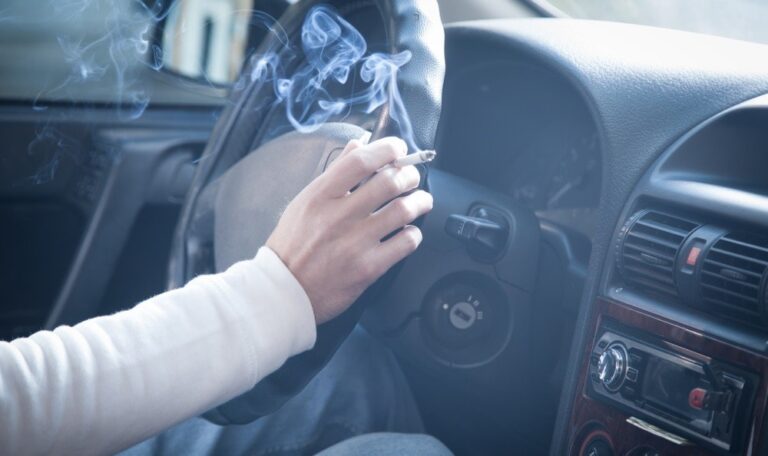
- Smoke smell. Deep clean all soft surfaces, replace the cabin filter, and consider a short, pro‑grade ozone shock in an empty car. Ozone can damage rubber and trim if overused; keep it short and ventilate well.
- Pet odors. Enzyme cleaner on contact areas. Shampoo and extract. Charcoal and a HEPA vacuum help with dander.
- Spills. Lift with towels first, then enzyme, then extract. Do not add perfume over a fresh spill.
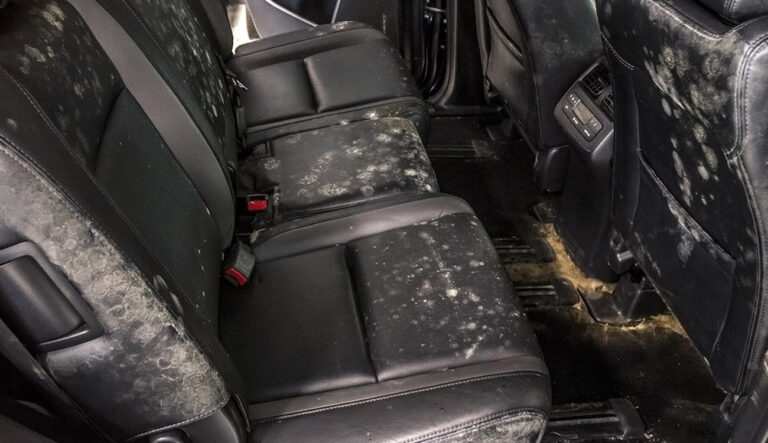
- Mold or must. Find the water. Check floor mats, door seals, sunroof drains, and the cabin filter housing.
Never mix chemicals, and always test on a small spot. If odor remains after two full cycles, get a pro to inspect for hidden leaks or soaked padding.
Recreate that scent the smart way
Once clean, you can layer a light, fresh OEM‑style note. If you ask me how to get the new car smell back without a harsh perfume, I suggest clean layering.
What to use:
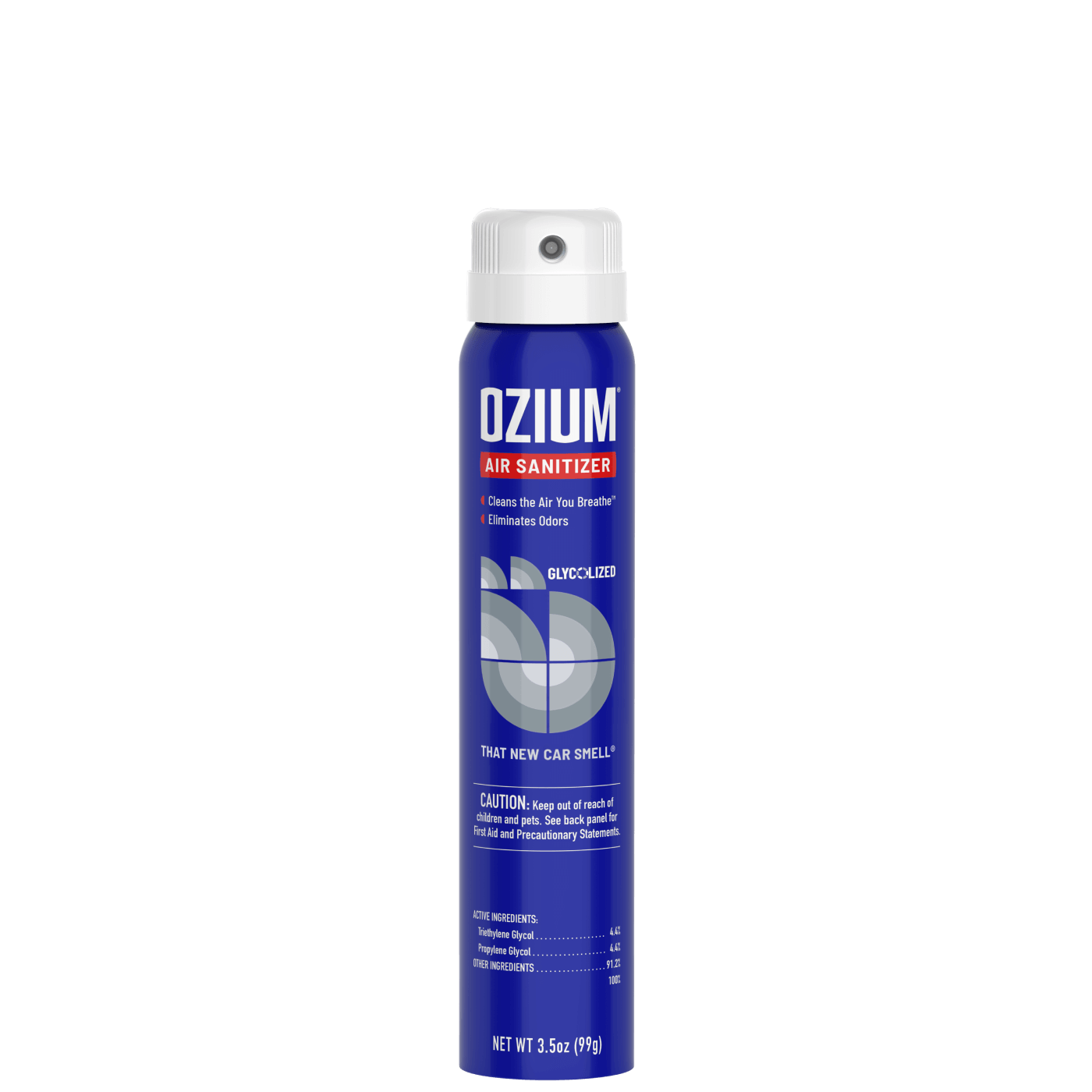
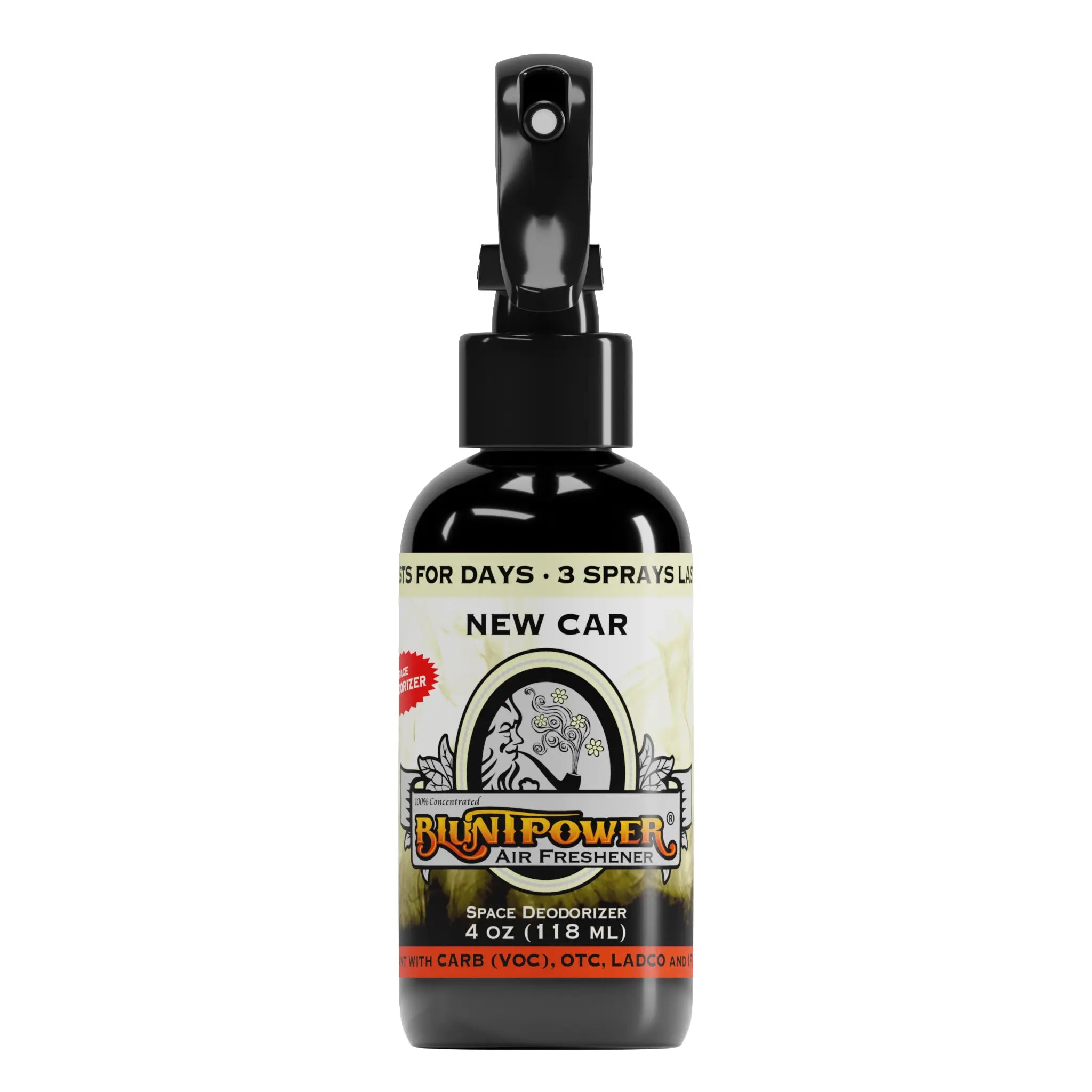
- Dealer-grade “new interior” sprays with low VOCs. One or two misting passes are enough.
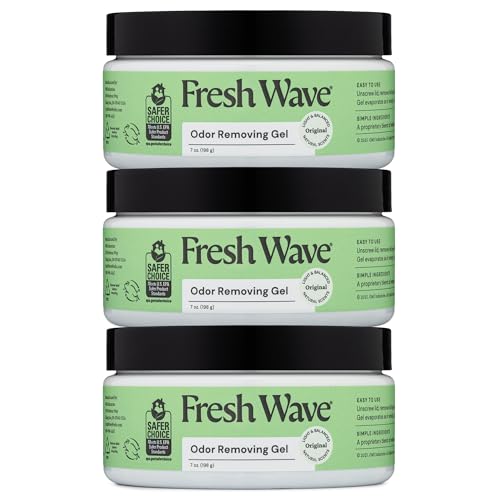
- Scent cards or gel pods in a hidden spot. Choose dry, subtle options.
- Light leather‑note conditioners if your car has real leather.
What to avoid:
- Heavy oil-based fragrances that leave residue.
- Masking strong odors. If you still smell smoke or must, clean again first.
Pro tip from the bay: Spray into a microfiber, then wipe surfaces. Do not fog the cabin. Less is more. Your nose will adapt in minutes; judge it again after a short break.
Care for different materials
Material care shapes scent and feel. A big part of how to get the new car smell back is using the right method for each surface.
Simple rules:
- Leather. Use pH‑matched cleaner and a dry‑to‑touch conditioner. No vinegar, no olive oil.
- Fabric and Alcantara. Use foam cleaners. Blot and brush. Keep it dry to protect glue.
- Vinyl and plastic. Mild cleaner and a matte protectant. Skip silicone shine.
- Headliner. Mist a microfiber and dab only. Support the fabric with your hand.
- Glass. Ammonia-free cleaner. A clean windshield reduces that “film” smell.
- Rubber seals. Clean and dress lightly. It stops must and squeaks.
These steps keep the cabin neutral, so a light “new” note can sit on top.

Keep it longer: daily and weekly habits
If you want to know how to get the new car smell back and keep it, habits matter more than any spray.
Make these easy moves:
- Empty the car every day. Trash holds odor.
- Crack windows when safe, or air it out before parking.
- Run A/C for the last 2 minutes of your drive with heat or fan on. This dries the evaporator.
- Swap the cabin air filter every 12 months or 12,000 miles, sooner in dusty areas.
- Use sunshades and park in shade. Heat bakes in odors.
- Keep an activated charcoal bag under a seat. Recharge it in sun monthly.
Ten minutes a week beats one big cleanup later.
Common mistakes and myths
Clearing these traps is part of how to get the new car smell back and not ruin trim.
Watch out for:
- Oversaturating the headliner. It can sag or smell worse.
- Mixing bleach and ammonia. That is dangerous. Never mix cleaners.
- Drenching fabrics with fragrance. It turns sweet notes into sour ones over time.
- Skipping the HVAC. If the evaporator stinks, the whole car stinks.
- Polishing the dash with greasy shine. Dust sticks and smells.
- Expecting one product to fix everything. Clean, then scent, in layers.
Small, careful steps win the day.
DIY vs professional: cost, time, results
Sometimes the best way for how to get the new car smell back is to call a pro. Not always, though.
DIY suits:
- Light soil, food crumbs, mild must, or kids’ snack smells.
- A weekend window and basic tools.
Hire a pro for:
- Smoke-heavy cabins, flood or leak damage, rodent odors.
- Airbag dust or fire residue.
- When you need ozone or thermal fog done right, fast, and safe.
Ask about their process: do they extract carpets, clean the HVAC, and replace the cabin filter? A clear plan means better results and fewer surprises.
Frequently Asked Questions of how to get the new car smell back
How long does it take to get the new car smell back?
Light cases take 1–2 hours with a quick reset. Deep jobs with full shampoo and HVAC service can take 4–6 hours, plus drying time.
Does replacing the cabin air filter really help?
Yes. A dirty filter traps dust, pollen, and odors that blow back into the cabin. A fresh, high-quality filter can make a clear difference right away.
Is ozone safe for restoring the scent?
Used by a pro, in short bursts and in an empty car, ozone can help. Overuse can fade fabrics, dry rubber, and leave a harsh note, so follow safe limits.
Will baking soda or charcoal remove odors?
Activated charcoal is great for ongoing odor absorption. Baking soda helps with fresh spills and light smells, but it is not enough for smoke or mold.
Can I just use a “new car” air freshener?
You can, but it will not last if the car is dirty. Clean first, neutralize the source, then use a light, low‑VOC scent for a natural result.
How often should I clean to keep the fresh smell?
Do a quick wipe and vacuum weekly, and a deeper clean every 3–4 months. Replace the cabin filter yearly and refresh the HVAC seasonally.
What’s the best product type for leather smell?
Use a pH-balanced cleaner and a dry-finish conditioner with a mild leather note. Avoid oily dressings that attract dust and turn sour.
Conclusion
You now know how to get the new car smell back: remove the source, reset the HVAC, and add a light, clean scent. Keep it with small weekly habits and a dry, tidy cabin. If your car has smoke or water damage, bring in a pro for fast, safe help.
Pick one section above and do it today, even if it’s only a 60‑minute reset. Your next drive can feel like delivery day again. If this helped, share it, subscribe for more car care tips, or drop your questions in the comments.