
Air out clothes, absorb odor with baking soda, and use gentle steam or diluted vinegar without washing.
Food smells cling to fabric because airborne oils and odor molecules settle into the fibers. Learning how to remove food odor from clothes without washing can save time, protect delicate fabrics, and help you freshen an outfit before work, dinner, or travel. This guide explains safe methods, common mistakes, fabric limits, and the best order to try each solution.
Why Food Odor Sticks to Clothes
Food odor is more than a simple smell. Cooking releases tiny oil droplets, smoke, spices, and vapor into the air. These particles land on clothing and may sink into the fibers, especially around the collar, chest, cuffs, and sleeves.
Greasy foods create the biggest challenge. Fried chicken, bacon, curry, pizza, garlic, and grilled meat can leave oily compounds behind. Odor molecules attach to those oils, so spraying perfume over them often masks the smell for a short time instead of removing it.
The fabric also matters. Cotton and linen absorb moisture and odor quickly. Polyester and other synthetic fibers can hold oily smells because their fibers attract oil. Wool, silk, suede, and leather need more careful treatment because heat, water, and household products may cause damage.
Fresh food odor is easier to remove than old odor. If you act within a few hours, you have a better chance of lifting the smell without washing the garment.
How to Remove Food Odor From Clothes Without Washing: The Best Method
Use this simple process first. It works well for light to moderate smells on many washable fabrics.
1. Move the clothing into fresh air
Hang the garment outdoors or near an open window. Use a sturdy hanger and spread the fabric so air can reach both sides.
Leave it for 30 minutes to several hours. Avoid direct, strong sunlight for dark clothing, silk, and bright colors because sunlight may cause fading.
Good airflow helps carry away volatile odor compounds. It also prevents the smell from becoming trapped in a closed closet.
2. Blot visible grease
Check the fabric under good light. If you see a shiny spot, place a clean paper towel over it and press gently.
Do not rub the mark. Rubbing can push oil deeper into the fibers and spread the stain.
For a small fresh grease spot, add a thin layer of cornstarch or baking soda. Let it sit for 15 to 30 minutes, then brush it away with a soft brush.
3. Apply baking soda
Baking soda can absorb some odors and surface oils. Place the garment flat or hang it in a large garment bag.
Sprinkle a light amount of baking soda over the smelly area. Do not bury the garment in powder, since heavy residue may be hard to remove without rinsing.
Let it sit for several hours or overnight. Shake the garment outdoors, then use a soft clothes brush or a vacuum with a fabric attachment to remove the powder.
4. Use gentle steam
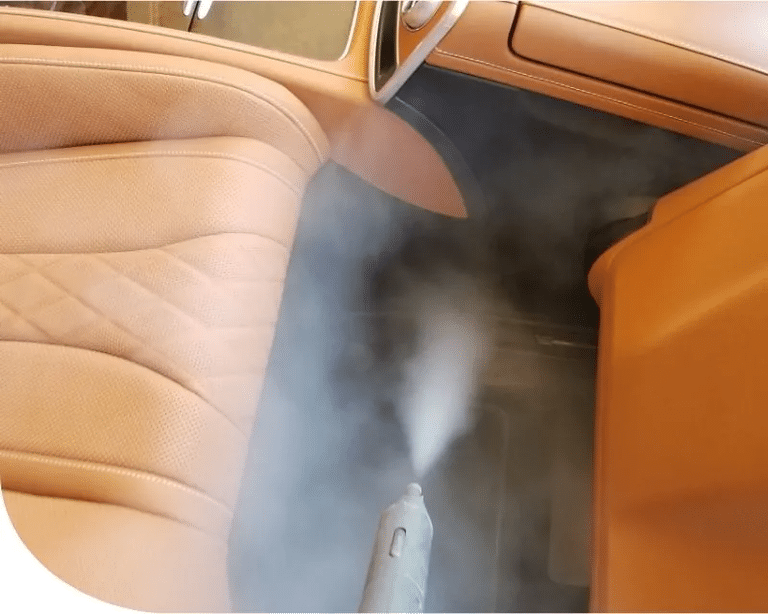
Hang the garment in the bathroom while a hot shower runs, but keep it away from direct water. You can also use a handheld steamer on a suitable setting.
Steam may help loosen odor particles and relax fabric fibers. Move the steamer steadily instead of holding it in one place.
Do not steam leather, suede, or heat-sensitive synthetic fabric unless the care label allows it. Always test an inside seam first.
5. Let the garment dry fully
Moist fabric can develop a musty smell. After steaming or using a light mist, hang the item in a breezy place until it is completely dry.
This process is often the most effective answer to how to remove food odor from clothes without washing because it combines airflow, absorption, and gentle heat.
Household Products That Can Help
Several common products can freshen clothing without a full wash. Use a small amount and test an unseen area before treating the whole garment.
Baking soda
Baking soda is useful for mild odors. It works best when the garment is dry and the smell is fresh.
Use it on cotton, linen, denim, and many durable synthetic fabrics. Brush it off well after treatment.
Baking soda may leave a pale film on dark clothing. Always remove the powder before wearing the garment.
Diluted white vinegar
A light vinegar mist can help reduce some odors. Mix one part white vinegar with three parts water in a clean spray bottle.
Mist the air around the garment or apply a very light spray from a distance. Do not soak the fabric.
The vinegar scent usually fades as the garment dries. Avoid this method on silk, leather, suede, and fabrics with special finishes unless a professional cleaner approves it.
Never mix vinegar with chlorine bleach. The combination can produce dangerous gas.
Vodka spray
Plain, unflavored vodka is sometimes used as a fabric refresher because alcohol can evaporate quickly and may reduce certain odor compounds. If you try it, mix equal parts vodka and water and test the mixture first.
Spray lightly. Do not use flavored vodka, colored alcohol, or a heavy coating.
Alcohol can damage dyes, finishes, plastic details, and some delicate fibers. Keep the bottle away from heat and open flames.
Activated charcoal
Activated charcoal absorbs odors in enclosed spaces. It is better for treating the air around clothing than for rubbing directly onto fabric.
Place charcoal bags in a garment bag, closet, drawer, or storage box with the clothing. Leave them overnight or longer.
This is a slow method, but it can help with lingering smells after cooking.
Fabric refresher spray
A commercial fabric refresher may work well for everyday odors. Read the label and choose a product made for clothing.
Spray lightly from the recommended distance. Heavy use can create a sticky layer that attracts more dust and oil.
Fragrance does not equal odor removal. Choose a product designed to neutralize or absorb odors rather than simply cover them.
How to Remove Food Odor From Clothes Without Washing by Fabric Type
A safe method for one fabric may harm another. Check the care label before using moisture, heat, alcohol, or powders.
Cotton and linen
These fabrics are usually forgiving. Airing, baking soda, light steam, and a diluted vinegar mist often work well.
Linen wrinkles easily, so hang it on a broad hanger after treatment. Avoid scrubbing because rough handling can weaken the surface fibers.
Polyester and nylon
Synthetic fabrics often hold greasy food smells. Airing alone may not be enough.
Use baking soda, gentle steam, or a fabric-safe refresher. Avoid high heat because it may set oily residue or damage the fabric.
Wool
Wool can absorb odors while resisting wrinkles. Hang it in fresh air and brush it gently.
Avoid soaking wool or spraying it heavily. Steam may be safe on some wool garments, but follow the care label and keep the steamer at a safe distance.
Silk
Silk needs the most care. Start with outdoor air or a cool, shaded room.
Do not use baking soda, vinegar, alcohol, or steam unless the label or a professional cleaner confirms that the method is safe. A small amount of moisture can leave a water mark.
Leather and suede
Do not use household sprays, vinegar, or water on leather and suede without professional advice. These materials can stain, stiffen, or lose their finish.
Let the item air out away from sunlight and heat. For strong odors, use a cleaner who specializes in leather or suede.
Coats and structured clothing
Blazers, wool coats, and lined jackets can trap food odor inside the lining. Hang them with space around them and open the pockets.
A garment bag with activated charcoal can help. If the smell remains after several treatments, professional dry cleaning may be the safest choice.
Fast Ways to Freshen Clothes Before Leaving Home
Sometimes you have only 10 minutes. These steps can reduce a food smell quickly.
- Take the garment off and hang it near an open window.
- Blot any visible oil with a clean paper towel.
- Brush away crumbs or powder from the fabric.
- Use a handheld steamer for a few seconds per area if the care label allows it.
- Let the garment dry while you prepare.
- Use a light, fabric-safe refresher only after the garment is dry.
Do not spray perfume directly onto a greasy area. The fragrance may combine with the food smell and create a stronger scent.
If you are wearing the garment, focus on areas near the chest, collar, and sleeves. These spots collect the most odor because they are close to the food, skin, and warm body air.
What Not to Do
Some popular tricks can make the problem worse. Avoid these mistakes when learning how to remove food odor from clothes without washing.
• Do not cover a strong smell with heavy perfume. This only creates a mixed odor.
• Do not rub a greasy food stain. Rubbing spreads oil through the fabric.
• Do not use hot air from a hair dryer on an oily mark. Heat may set the residue.
• Do not soak the garment with vinegar, vodka, or water. Excess moisture can cause rings, shrinkage, or mildew.
• Do not use bleach on colored clothing or mix bleach with vinegar, ammonia, or other cleaners.
• Do not put a damp garment into a closet. Trapped moisture can create a musty odor.
• Do not use a steamer on silk, suede, or leather without checking the care instructions.
• Do not spray any product near an open flame, heater, or hot cooking surface.
One mistake I often see in home fabric care is using too much product. More spray does not mean more cleaning. A light treatment followed by good airflow is usually safer and more effective.

How Long Does It Take to Remove Food Smell?
The time depends on the strength of the odor, the fabric, and the amount of oil present.
A light smell from coffee or toast may fade after 30 to 60 minutes of fresh air. A stronger smell from fried food, fish, garlic, or curry may need several hours and more than one treatment.
Use this general guide:
• Light odor: Air the garment for 30 to 60 minutes.
• Moderate odor: Use airflow plus baking soda for several hours.
• Strong odor: Treat visible oil, air the garment overnight, and use gentle steam if safe.
• Old or greasy odor: Consider professional cleaning if home methods fail.
If the smell returns when the garment warms up, odor is likely trapped deeper in the fibers. That is a sign that surface freshening may not be enough.
How to Prevent Food Odor From Returning
Prevention is often easier than removing a strong smell later. Small changes can protect your clothes during cooking and meals.
• Wear an apron while frying, grilling, or cooking with strong spices.
• Keep clothing away from the stove when possible.
• Use the range hood or open a window during cooking.
• Hang clothing in fresh air after a smoky meal.
• Do not store food-smelling clothes in a closed hamper right away.
• Keep clean clothing away from cooking areas.
• Tie back scarves, loose sleeves, and open jackets while preparing food.
• Choose a washable outer layer when cooking oily or spicy meals.
A useful habit is to make an “airing spot” near an open window. A wide hanger and a small charcoal bag can help freshen clothing before it returns to the closet.
When Washing or Professional Cleaning Is Necessary
Knowing the limits of no-wash methods is important. Air and powder can reduce odor, but they may not remove heavy grease, bacteria, or a visible stain.
Wash the item when:
• The clothing has a visible food stain.
• The smell remains after airing and one gentle treatment.
• The garment feels oily or sticky.
• The odor comes from spoiled food, smoke, or bodily fluids.
• The garment was exposed to raw meat or fish.
Choose professional cleaning when the care label says “dry clean only,” or when the item is made from silk, suede, leather, or a complex blend.
Do not wear clothing that still smells strongly of spoiled food. Odor can signal residue that needs proper cleaning, not just freshening.
A Practical Example
Imagine you wore a polyester blouse to a restaurant and picked up the smell of fried food. First, hang the blouse near an open window and check for greasy spots.
If the blouse looks clean, sprinkle a very small amount of baking soda on the inside near the chest and collar. Wait an hour or two, brush it off, and use a light fabric-safe refresher if needed.
If the smell remains, use gentle steam only if the care label permits it. Let the blouse dry fully before wearing it or placing it in the closet.
This example shows the basic order: air first, absorb second, steam carefully, and wash or seek professional help when the odor is deep or oily.
Frequently Asked Questions About How to Remove Food Odor From Clothes Without Washing
Can baking soda remove food odor from clothes?
Baking soda can absorb some mild odors and surface oils. Sprinkle a small amount on dry fabric, leave it for several hours, and brush it away completely.
Does vinegar remove food smells from clothing?
A very light mist of diluted white vinegar may reduce some odors as it dries. Test it first, and avoid using it on silk, leather, suede, or garments with special finishes.
Can I use perfume to hide a food smell?
Perfume may cover the odor for a short time, but it does not remove food residue. Heavy fragrance can mix with the smell and make it more noticeable.
How do I remove fried food smell from a jacket without washing it?
Hang the jacket in fresh air, blot any visible oil, and place it in a large garment bag with activated charcoal overnight. Use steam only if the care label allows it.
Is vodka safe for removing food odor from clothes?
Diluted, plain vodka may freshen some durable fabrics, but it can affect dyes and finishes. Always test a hidden area and use only a light mist.
How can I remove curry or garlic smell from clothes without washing?
Start with several hours of fresh air, then use baking soda on suitable fabrics. Strong spice odors may require professional cleaning if they remain after repeated gentle treatment.
Can I put smelly clothes in the dryer?
Avoid using high heat when food odor is linked to grease. Heat can set oily residue and make the smell harder to remove.
Conclusion
The safest way to remove food odor from clothes without washing is to start with fresh air, check for grease, use a light absorbent treatment, and add gentle steam only when the fabric allows it. Baking soda, diluted vinegar, activated charcoal, and fabric-safe sprays can help, but they should be used sparingly.
Always check the care label and treat delicate materials with extra caution. Try these steps the next time your outfit smells like dinner, and share your favorite clothing-care tip or explore more fabric-refreshing guides for practical, low-wash solutions.