The aroma of a new car is one thing, but the persistent, unpleasant smells that can develop over time are another entirely. From spilled coffee and fast food to pet accidents and mildew, cars are notorious for trapping odors. These strong smells are not only embarrassing when you have passengers but can also affect your driving experience and even the perceived value of your vehicle.
Fortunately, getting rid of stubborn car odors is achievable with the right approach.
This guide will walk you through effective methods to tackle and eliminate pervasive smells from your car’s interior. We’ll cover everything from deep cleaning techniques to natural remedies and professional solutions, ensuring your car smells fresh and inviting again. The source of the odor is the first crucial step, as different smells require different treatment strategies.
Best Strong Odor Eliminators: Top 5 Picks Tested & Reviewed
Identifying The Source Of The Odor
Before you can effectively eliminate a bad smell in your car, you need to pinpoint its origin. Ignoring the source and only masking the smell is a temporary fix that will likely lead to the odor returning. Take a methodical approach to sniffing out the problem areas.
Common Culprits And Their Smells
- Food and Drink Spills: This is perhaps the most common cause of car odors. Leftover food, spilled drinks (especially milk, coffee, or sugary sodas), and crumbs can ferment and create foul smells. These often manifest as a sour, rotten, or generally unpleasant musty odor, particularly noticeable on hot days. Look for stains on carpets, upholstery, or even in the nooks and crannies of your car.
- Smoke: Cigarette or cigar smoke is notoriously difficult to remove. The tar and nicotine particles cling to every surface, fabric, plastic, and even the headliner. This results in a pervasive, stale, and acrid smell that can linger for years if not treated properly.
- Pets: If you transport pets, their dander, accidents, or general “wet dog” smell can permeate your car. Urine and feces odors are particularly potent and require immediate and thorough cleaning to prevent them from setting into the fabrics.
- Mold and Mildew: Water leaks, dampness from rain or spilled liquids, or a poorly ventilated cabin can lead to mold and mildew growth. This creates a distinct musty, earthy, or damp basement smell. Check for water stains in areas like the trunk, under floor mats, and around windows and sunroofs.
- Vomit or Bodily Fluids: Accidents happen, and these odors are among the most challenging to remove. They are highly acidic and can seep deep into car materials, requiring specialized cleaning.
- Chemical Smells: Sometimes, new car smell can be overwhelming, or you might encounter smells from cleaning products, air fresheners, or even leaks from car parts.
The Importance Of A Thorough Inspection
When trying to identify the smell, use your senses systematically. Open all doors and the trunk, and let the car air out for a while. Then, get down on your hands and knees.
- Check Under Seats: Spills and forgotten items often end up here.
- Inspect Floor Mats and Carpeting: Lift floor mats and feel the carpet underneath for dampness or stains.
- Examine Upholstery: Look for visible stains or discolored areas on seats and door panels.
- Sniff Vents: If the smell seems to come from the air vents, it could indicate a problem with the cabin air filter or the HVAC system itself.
- Don’t Forget the Trunk: This area is often overlooked but can harbor mold, mildew, or old spills.
Deep Cleaning Your Car’s Interior
Once you have a good idea of where the odor is coming from, it’s time to deep clean. This involves more than a quick wipe-down; it requires tackling every surface where odors can hide.
Vacuuming: The First Line Of Defense
Thorough vacuuming is essential to remove loose dirt, debris, and odor-trapping particles.
- Remove Everything: Take out floor mats, personal items, trash, and anything else loose from the car.
- Start from the Top: Vacuum the headliner (gently, to avoid damage), seats, dashboard, and door panels.
- Focus on Crevices: Use a crevice tool to reach dirt and debris in seams, between seats, and around the center console.
- Don’t Forget the Trunk: Vacuum the trunk thoroughly, including the spare tire well if accessible.
- Floor Mats: Vacuum floor mats separately. If they are fabric, consider washing them separately.
Best Car Odor Eliminator Spray: Tested 7 Sprays Neutralize Odors at the Molecule Level
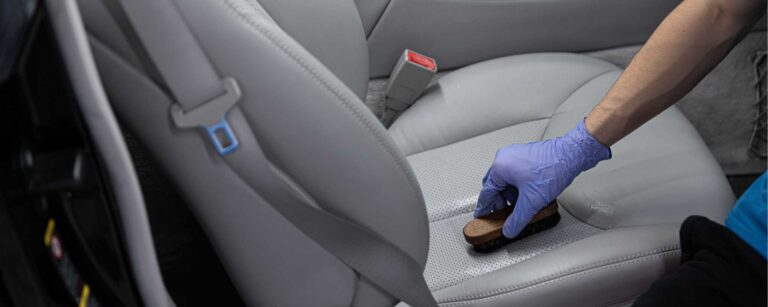
Cleaning Upholstery And Carpets
Fabric surfaces are porous and tend to hold onto odors.
- Fabric Upholstery and Carpets:
- DIY Cleaning Solution: Mix one part white vinegar with two parts water in a spray bottle. Vinegar is a natural deodorizer that neutralizes many odors. Lightly spray the affected areas (do not oversaturate).
- Scrubbing: Use a soft-bristled brush to gently scrub the sprayed areas.
- Blotting: Use clean microfiber cloths to blot up excess moisture and loosened dirt.
- Drying: Allow the interior to air dry completely, with doors or windows open if possible.
- Commercial Cleaners: For tougher stains or odors, consider a dedicated automotive upholstery cleaner. Follow the product instructions carefully.
- Leather Upholstery:
- Mild Soap and Water: Use a damp cloth with a small amount of mild soap (like dish soap) to wipe down leather surfaces.
- Leather Cleaner: For deep cleaning and conditioning, use a specialized leather cleaner and conditioner. These products clean without drying out the leather and can help remove surface odors.
- Avoid Harsh Chemicals: Never use ammonia-based cleaners or bleach on leather, as they can damage the material.
Cleaning Hard Surfaces
Plastic, vinyl, and other hard surfaces can also trap odors and need attention.
- All-Purpose Interior Cleaner: Use a dedicated automotive interior cleaner or a diluted mixture of mild soap and water.
- Wipe Down: Use microfiber cloths to wipe down the dashboard, center console, door panels, steering wheel, and any other plastic or vinyl surfaces.
- Vents: Pay special attention to air vents. Use a small brush or cotton swabs to clean dust and debris from the louvers.
Cleaning The Headliner
The headliner is a delicate material, so be gentle.
- Spot Cleaning: For minor spots, use a mild upholstery cleaner sprayed onto a cloth (not directly onto the headliner). Gently dab the stained area.
- Avoid Soaking: Never saturate the headliner, as this can cause the adhesive to fail and the material to sag.
Don’t Forget The Cabin Air Filter
A dirty cabin air filter can recirculate stale air and unpleasant smells every time you turn on your car’s fan or A/C.
- Locate and Replace: The cabin air filter is usually located behind the glove box or under the dashboard. Consult your car’s manual for its specific location. Replacing it is a relatively simple DIY task for most vehicles and can make a significant difference in air quality.
Natural Odor Removal Methods
For those who prefer to avoid harsh chemicals, several natural remedies are highly effective at neutralizing odors.
Baking Soda
Baking soda is a well-known odor absorber.
- Sprinkle Method: Sprinkle a generous amount of baking soda on carpets and fabric seats. Let it sit for several hours, or even overnight, to absorb odors. Then, vacuum it up thoroughly.
- Open Box Method: Place an open box or bowl of baking soda in your car and leave it overnight. This works best for general stale odors.
White Vinegar
As mentioned in the cleaning section, white vinegar is excellent for neutralizing odors.
- Spray Solution: Mix equal parts white vinegar and water in a spray bottle. Lightly mist the interior, avoiding electronics. The vinegar smell will dissipate as it dries, taking other odors with it.
- Bowl Method: Place a small bowl of white vinegar in the car overnight (ensure it won’t spill). This is a passive way to absorb odors.
Coffee Grounds
Used coffee grounds can absorb and mask odors.
- Dry Used Grounds: Ensure used coffee grounds are completely dry. Place them in a breathable container (like a sock or cheesecloth bag) or an open bowl.
- Placement: Leave the container in the car for a few days. This method adds a coffee aroma, which can be pleasant for some, while absorbing other smells.
Activated Charcoal
Activated charcoal is a powerful absorbent that traps odors without adding any scent.
- Charcoal Bags: You can purchase activated charcoal bags specifically designed for odor absorption. Place them under seats or in other discreet locations.
- Effectiveness: These bags can be reactivated by placing them in sunlight for a few hours, making them a reusable and eco-friendly option.
Essential Oils
Essential oils can provide a pleasant scent and some have mild antimicrobial properties.
- Dilution is Key: Never apply essential oils directly to surfaces, as they can stain or damage materials.
- Method 1: Cotton Ball: Place a few drops of your chosen essential oil (like lemon, tea tree, or eucalyptus) on a cotton ball and tuck it under a seat or in a discreet location.
- Method 2: Spray: Mix a few drops of essential oil with water in a spray bottle. Lightly mist the air, avoiding direct contact with surfaces.
Tackling Specific Stubborn Odors
Some odors are particularly persistent and require targeted treatment.
Smoke Odor Removal
Smoke particles penetrate deep into fabrics and plastics.
- Deep Clean Everything: Thoroughly clean all surfaces, including the headliner, seats, carpets, and all plastic components.
- Vinegar and Water: Use the white vinegar and water solution on all washable surfaces.
- Ozone Generator (Professional or Rental): For severe smoke odor, an ozone generator is often the most effective solution. Ozone (O3) is a powerful oxidizing agent that breaks down odor-causing molecules. Warning: Ozone generators should only be used in unoccupied vehicles, as ozone can be harmful to humans and pets. The car must be aired out thoroughly after treatment.
- Activated Charcoal: Leave activated charcoal bags in the car for an extended period to absorb residual smoke smell.
- Replace Cabin Air Filter: This is crucial for smoke odor.
Pet Odor And Stain Removal
Pet accidents require prompt and thorough cleaning.
- Blot Immediately: If it’s a fresh accident, blot up as much of the liquid as possible with clean cloths or paper towels.
- Enzymatic Cleaner: Use an enzymatic cleaner specifically designed for pet stains and odors. These cleaners contain enzymes that break down the organic matter causing the smell. Follow the product instructions carefully, ensuring the area stays damp for the enzymes to work.
- Vinegar Solution: After the enzymatic cleaner has done its job, a diluted vinegar solution can help neutralize any remaining odor.
- Baking Soda: Sprinkle baking soda over the treated area after it has dried to absorb any lingering smells.
Mold And Mildew Removal
Addressing mold and mildew requires killing the spores and removing moisture.
- Locate the Source: Find the source of moisture. Fix any leaks and ensure the car is properly ventilated.
- Clean Affected Areas: Use a solution of white vinegar or a specialized mold and mildew remover. For stubborn mold, a diluted bleach solution (1 part bleach to 10 parts water) can be used on hard surfaces, but never mix bleach with ammonia or other cleaners. Warning: Bleach can discolor fabrics, so test in an inconspicuous area first.
- Dry Thoroughly: Ensure the car is completely dry. Use fans and open windows. Consider using a dehumidifier inside the car.
- Odor Absorbers: Place baking soda or activated charcoal in the car to absorb residual musty smells.
Advanced Odor Elimination Techniques
When basic cleaning and natural remedies aren’t enough, consider these more advanced methods.
Steam Cleaning
A steam cleaner uses hot vapor to penetrate fabrics, loosen dirt, and kill bacteria and mold spores that cause odors.
- How it Works: The high heat of the steam can effectively sanitize surfaces and break down odor molecules.
- Application: You can rent or purchase a steam cleaner. Use it on upholstery, carpets, and even hard surfaces. Always follow up by blotting excess moisture with clean microfiber cloths.
- Caution: Be careful not to oversaturate delicate materials.
Odor Bombs And Foggers
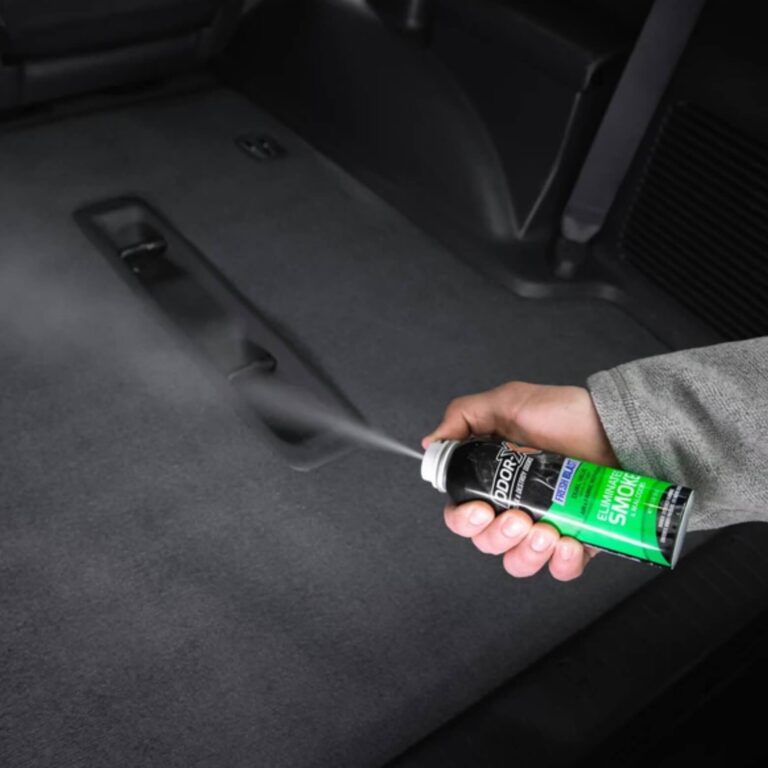
These products release a fine mist that permeates the entire car interior, neutralizing odors.
- Types: They come in various formulations, including odor neutralizers and air fresheners.
- Usage: Follow the product instructions precisely. Typically, you activate the can inside the car, close the doors, and let it work for a specified time.
- Ventilation: After use, thoroughly ventilate the car by opening all doors and windows for at least 30 minutes.
- Effectiveness: These can be very effective for tackling widespread odors like smoke or general staleness.
Professional Detailing Services
If you’ve tried everything and the odor persists, professional detailers have access to specialized equipment and chemicals.
- Ozone Treatment: Many professional detailers offer ozone treatments, which are highly effective for deep-set odors like smoke, pet smells, and mildew.
- Enzyme Treatments: They may also use industrial-strength enzymatic cleaners for tough biological stains and odors.
- Extraction Machines: Professional-grade carpet and upholstery extractors can deep clean fibers more effectively than DIY methods.
Prevention Is Key
The best way to deal with strong odors in your car is to prevent them from developing in the first place.
Regular Cleaning Schedule
- Weekly: Remove trash, vacuum loose debris, and wipe down hard surfaces.
- Monthly: Deep clean carpets and upholstery as needed.
- Seasonally: Clean the cabin air filter and check for any signs of water leaks.
Immediate Spill Cleanup
- Act Fast: Clean up spills as soon as they happen. The longer a spill sits, the more it will penetrate and set into the materials.
- Use Appropriate Cleaners: Have a small cleaning kit in your car for minor emergencies.
Avoid Eating In The Car
If possible, try to limit eating in your vehicle, especially foods with strong odors.
Use Floor Mats Wisely
- Rubber Mats: Consider using all-weather rubber floor mats, especially in the winter or if you frequently transport pets or children. They are easier to clean and prevent liquids from reaching the carpet.
- Regular Cleaning: Wash rubber mats regularly.
Proper Ventilation
- Air Out Regularly: Open windows or doors periodically to allow fresh air to circulate, especially after carrying items that might have an odor or if the car has been