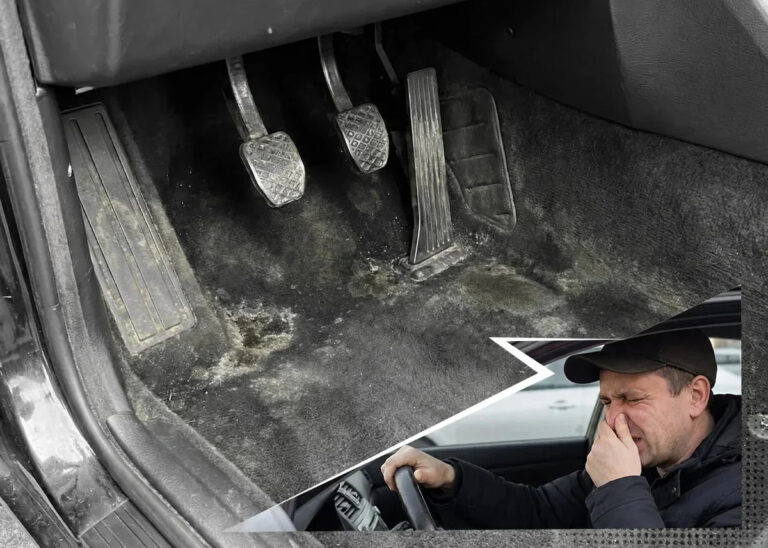
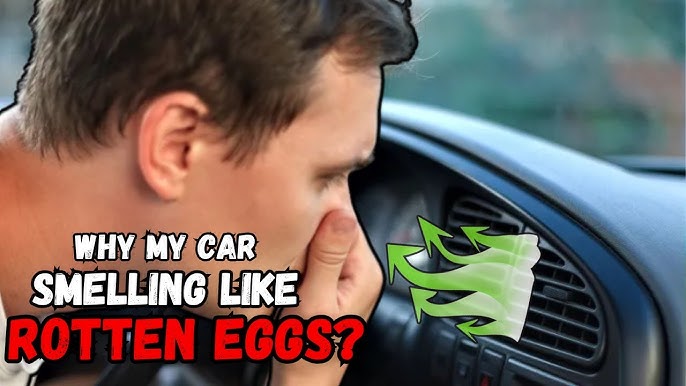
Ever noticed a strong, rotten egg smell in your car? You’re not alone. Many drivers experience this weird scent and wonder what it means. A car that smells like eggs is almost always a sign of a problem—usually with the exhaust system or something related to it. This isn’t just annoying; it can signal a mechanical issue that needs attention. Let’s break down exactly why your car smells like eggs, what’s happening inside, and how you can fix it.
The Egg Smell Comes From Sulfur—usually In Your Exhaust
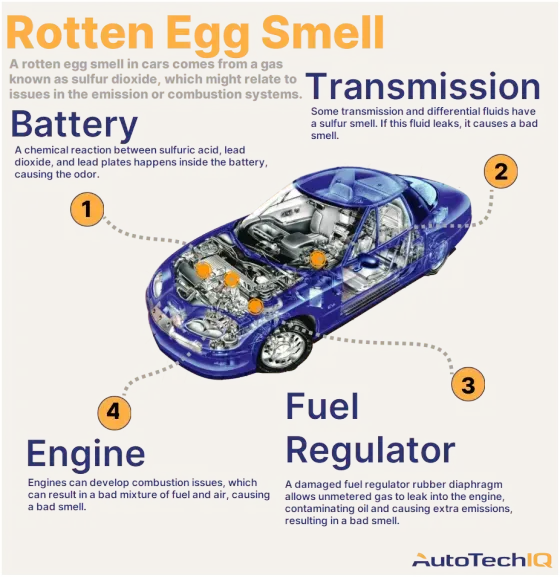
The main reason your car smells like eggs is because of hydrogen sulfide. This gas has a strong, rotten egg odor and comes from sulfur in your fuel. When your car burns gasoline, the exhaust system—including the catalytic converter—is supposed to turn hydrogen sulfide into a harmless, odorless gas. If something is wrong in this process, you get the egg smell.
Catalytic Converter Failure
A catalytic converter is a key part of your car’s exhaust system. Its job is to clean the gases from your engine before they exit the tailpipe. If the converter is not working right, it can’t clean hydrogen sulfide. This makes your car smell like eggs, especially after driving for a while or idling.
Common signs your catalytic converter is failing:
- Strong egg smell from exhaust
- Poor engine performance
- Check engine light on
- Increased fuel use
Using Bad Quality Fuel
Low-quality gasoline often contains more sulfur. If you fill up with this kind of fuel, your car’s exhaust will have more hydrogen sulfide. Sometimes, even a working catalytic converter can’t keep up with the extra sulfur, causing the egg smell.
Engine Problems Affecting Combustion
If your engine isn’t burning fuel properly, more sulfur gases are produced. Problems like misfiring spark plugs, faulty oxygen sensors, or an old air filter can affect combustion. This leads to extra hydrogen sulfide in the exhaust.
Other Causes: Battery And Electrical Issues Can Also Smell Like Eggs
While exhaust problems are the main reason, sometimes the egg smell comes from your car battery. If your battery is overcharged or leaking, it can release hydrogen sulfide. This is more common in older cars or if the battery is damaged.
Battery Overcharging
Overcharging a battery can cause it to boil and emit hydrogen sulfide. This is dangerous and can damage electrical parts. If the smell is strongest near the hood, check your battery.
Battery Leak
A leaking battery can also release hydrogen sulfide. This can happen if the battery casing is cracked or the terminals are corroded. If you see white powder or liquid around the battery, it’s time for a replacement.
Comparing Common Egg Smell Causes In Cars
Not sure which issue is causing your car to smell like eggs? Here’s a quick comparison:
| Cause | Location of Smell | Other Symptoms | Fix Needed |
|---|---|---|---|
| Catalytic Converter Failure | Exhaust, tailpipe area | Check engine light, weak performance | Replace converter |
| Bad Fuel | All over car, after refueling | No other symptoms usually | Switch fuel brand |
| Engine Problems | Exhaust, cabin | Rough idle, misfires | Tune-up, sensor replacement |
| Battery Issues | Under hood | Corroded terminals, slow start | Replace battery |
How To Diagnose The Egg Smell In Your Car
If your car smells like eggs, the first step is to figure out where the smell is coming from. Here’s how to do it:
- Sniff Around: Open the windows and walk around your car. Is the smell strongest near the tailpipe, under the hood, or inside the cabin?
- Check the Battery: Look for leaks, corrosion, or swelling.
- Notice When the Smell Happens: Is it after refueling, while idling, or only while driving?
- Check Engine Light: If it’s on, scan for codes.
- Inspect Fuel Quality: Did you just fill up at a new station? Bad fuel could be the cause.
Egg Smell From The Cabin: Hvac Issues
Sometimes, the air conditioning system (HVAC) can cause an egg smell inside the car. If mold or bacteria grow in the vents, they can produce sulfur compounds. This usually happens in humid weather or if the AC isn’t used often.
Signs it’s an HVAC problem:
- Smell only when AC or heater is on
- No smell outside car
- Musty odor mixed with egg smell
You can fix this by cleaning the vents or changing the cabin air filter.
10 Best Car Odor Eliminator: The Only Car Odor Eliminators That Actually Kill Bacteria.
How To Fix The Egg Smell: Practical Steps
Getting rid of the egg smell depends on the cause. Here’s what you should do:
- Replace the Catalytic Converter: If it’s failed, this is the only solution. Prices vary, but most cost $500–$1500.
- Switch to Better Fuel: Try a top-tier gas station. Most major brands have lower sulfur levels.
- Tune Up Your Engine: Change spark plugs, air filter, and check oxygen sensors. This helps with combustion and reduces bad gases.
- Replace the Battery: If it’s leaking or corroded, don’t wait. A new battery costs $70–$200.
- Clean the AC Vents: Use an anti-bacterial spray or visit a mechanic for deep cleaning.
Risks Of Ignoring The Egg Smell
Ignoring the egg smell can cause bigger problems:
- Engine damage: A bad catalytic converter can overheat and harm the engine.
- Health risks: Hydrogen sulfide is toxic if inhaled in large amounts.
- Car won’t pass inspection: Many places require emissions testing; a smelly car will fail.
- Poor resale value: Buyers avoid cars with odd smells.
Non-obvious Insights Most Drivers Miss
- Sulfur Smell Can Signal More Than Exhaust Problems: Many people think the smell always means a failed catalytic converter. But sometimes, it’s just bad fuel—especially after filling up at a discount station.
- Egg Smell May Come and Go: If the smell disappears after driving, it could be the AC vents, not the exhaust. Mold and bacteria sometimes create sulfur compounds that clear out with airflow.
- Battery Problems Are Rare but Dangerous: Most drivers overlook battery leaks, but they can cause fires or severe electrical damage. Always check for corrosion if the smell is under the hood.
Typical Costs And Time To Fix Egg Smell Issues
Here’s a quick look at how much time and money you might need to fix different egg smell causes:
| Problem | Average Cost | Time to Fix |
|---|---|---|
| Catalytic Converter Replacement | $500–$1500 | 2–4 hours |
| Battery Replacement | $70–$200 | 30 minutes |
| Engine Tune-Up | $100–$400 | 1–2 hours |
| AC Vent Cleaning | $50–$150 | 1 hour |
Prevention: Stop The Egg Smell Before It Starts
You don’t have to wait for problems. Here are proven ways to keep your car from smelling like eggs:
- Use top-quality fuel with low sulfur levels.
- Get regular engine tune-ups and oil changes.
- Inspect the battery every 6 months for leaks or corrosion.
- Run your AC often to prevent mold growth, especially in humid climates.
- Change the cabin air filter yearly.

When To See A Mechanic
If the smell is strong, doesn’t go away, or is joined by other symptoms (like engine warning lights or performance issues), see a mechanic. Problems like a broken catalytic converter can cause your car to fail emissions tests and even damage the engine.
If the smell is coming from the battery, get help right away—this can be dangerous.
Frequently Asked Questions
Why Does My Car Smell Like Eggs When I Start It?
This usually means hydrogen sulfide is escaping from the exhaust. It’s often a sign of a failing catalytic converter or engine burning fuel poorly. If the smell goes away after a few minutes, it could also be from mold in the AC vents.
Is The Egg Smell Dangerous?
Yes. Hydrogen sulfide is toxic, even in small amounts. If you notice this smell, avoid breathing it in and get your car checked soon, especially if it’s strong or comes from under the hood.
Can Bad Fuel Cause The Egg Smell?
Absolutely. Low-quality gasoline with high sulfur content can make your car smell like eggs. Switching to a reputable gas station is a simple fix if you notice the smell after refueling.
How Can I Tell If It’s The Battery Causing The Smell?
If the smell is strongest under the hood and you see corrosion or leaking fluid on the battery, it’s likely the source. Overcharging or a damaged battery can release hydrogen sulfide.
How Do I Get Rid Of The Egg Smell In My Car?
First, find out where the smell is coming from. Replace the catalytic converter if it’s broken, switch to better fuel, replace the battery if it’s leaking, or clean the AC vents. If you’re unsure, a mechanic can diagnose the problem quickly.
If you want more technical details about catalytic converters and hydrogen sulfide, check Wikipedia.
A car that smells like eggs is never normal, and it’s always a sign to act. Fixing the problem quickly keeps your car safe, helps the environment, and saves money in the long run. Don’t ignore the smell—your nose is telling you something important about your car’s health.