
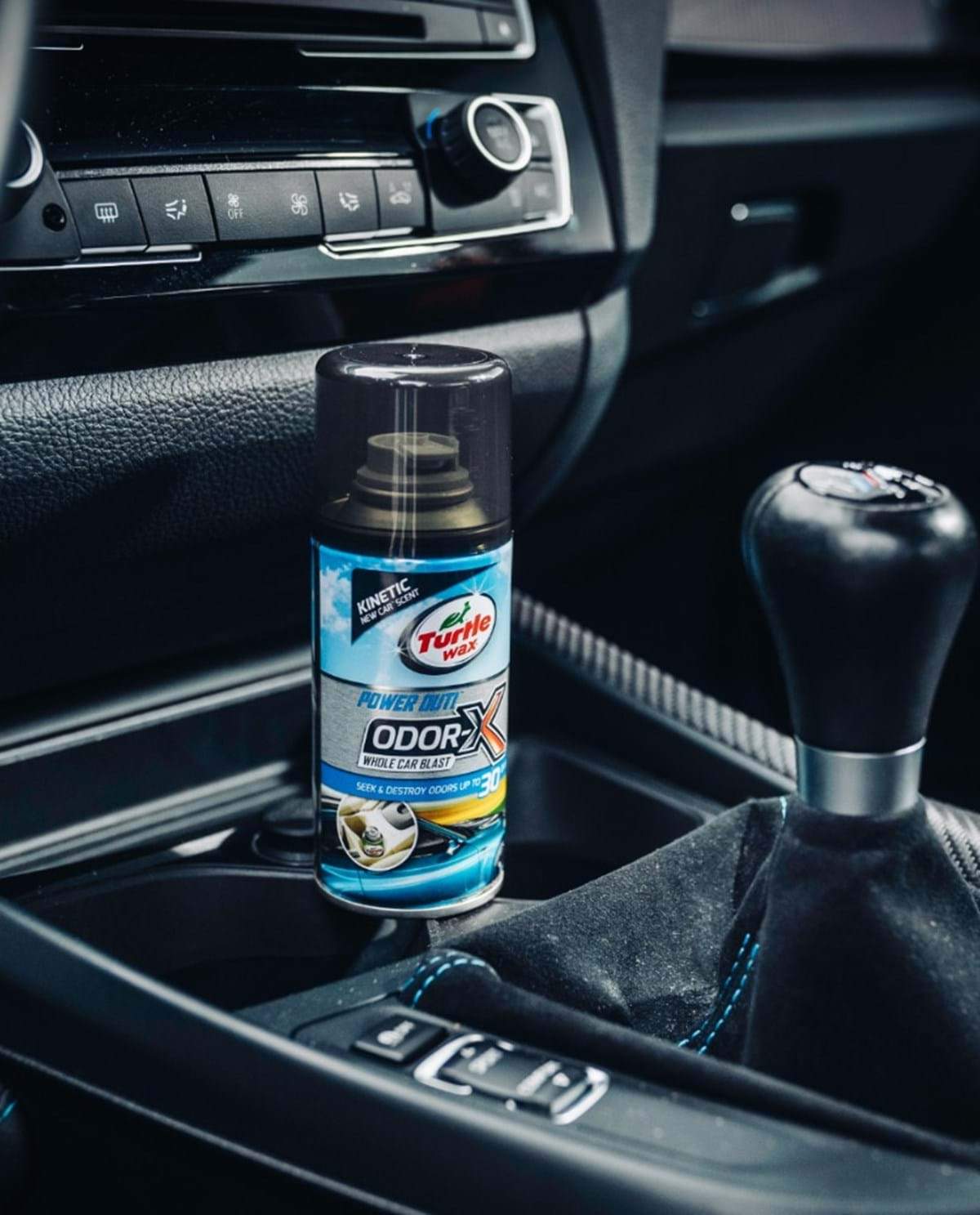
Want to know how to get rid of leather seat smell in your car? Start by cleaning the seats with a leather-safe cleaner and a soft cloth. Wipe down all surfaces and let them dry completely. Next, absorb lingering odors by placing baking soda, activated charcoal, or coffee grounds in the car overnight. For persistent smells, use a leather conditioner to refresh the material and neutralize odors naturally.
Expert Recommended Kits You Need
For the best results, avoid “heavy scent” air fresheners that just mix with the leather smell. Instead, use these professional-grade products designed to restore the material’s neutrality.
Product Why It’s Recommended Best For… Chemical Guys Leather Cleaner & Conditioner Kit A two-part system that cleans deep and then conditions. The conditioner is odorless and prevents the leather from cracking. Routine maintenance and mild odor removal. Leather Honey Leather Cleaner A non-toxic, powerful cleaner that lifts deep-set dirt without the harsh chemical smells associated with lower-end cleaners. Cleaning heavily soiled or neglected leather. Moso Natural Air Purifying Bags Activated charcoal absorbs odors from the air without releasing any perfumes or chemicals. Removing lingering smells after the seats have been cleaned. Autoglym Odour Eliminator Specifically formulated to chemically neutralize odors like tobacco or pet smells embedded in automotive interiors. Treating persistent, non-leather-specific odors.
Air out the cabin, deep-clean leather, neutralize odors, then condition and protect.
If you want a clear, proven plan for how to get rid of leather seat smell in car, you’re in the right place. I’ve detailed dozens of vehicles with stubborn scents, from new-leather off‑gassing to musty mold after leaks. This guide breaks down what causes the odor, what works fast, and how to fix it for good without harming your leather or health. Let’s make your cabin smell clean, not covered up.
Why leather seats smell and what you’re dealing with
Leather is skin. It has natural oils and absorbs odors. New seats often off‑gas volatile organic compounds. That “new car smell” can be strong in warm weather or poor ventilation.
Other sources are more stubborn. Think spills, sweat, sunscreen, smoke, pet dander, and moisture in seat foam. Damp foam can grow mildew. That musty note is a red flag. If the smell changes when the cabin heats up, trapped VOCs or hidden moisture may be the driver.
From my shop work, the worst cases hid under the leather. Padding and carpets held the real odor. Fixing the top layer alone did not last. We’ll tackle both surface and sources so you do not chase the smell in circles.
How To Get Rid Of Rubber Floor Mat Smell In Car– Easy Fixes That Work
Quick checklist: how to get rid of leather seat smell in car today
If you need fast relief, start here. This takes under an hour for most cars.
- Ventilate the cabin. Open all doors in shade. Run the fan at fresh‑air mode for 10–15 minutes.
- Vacuum gently. Use a soft brush to lift dust from seams and perforations.
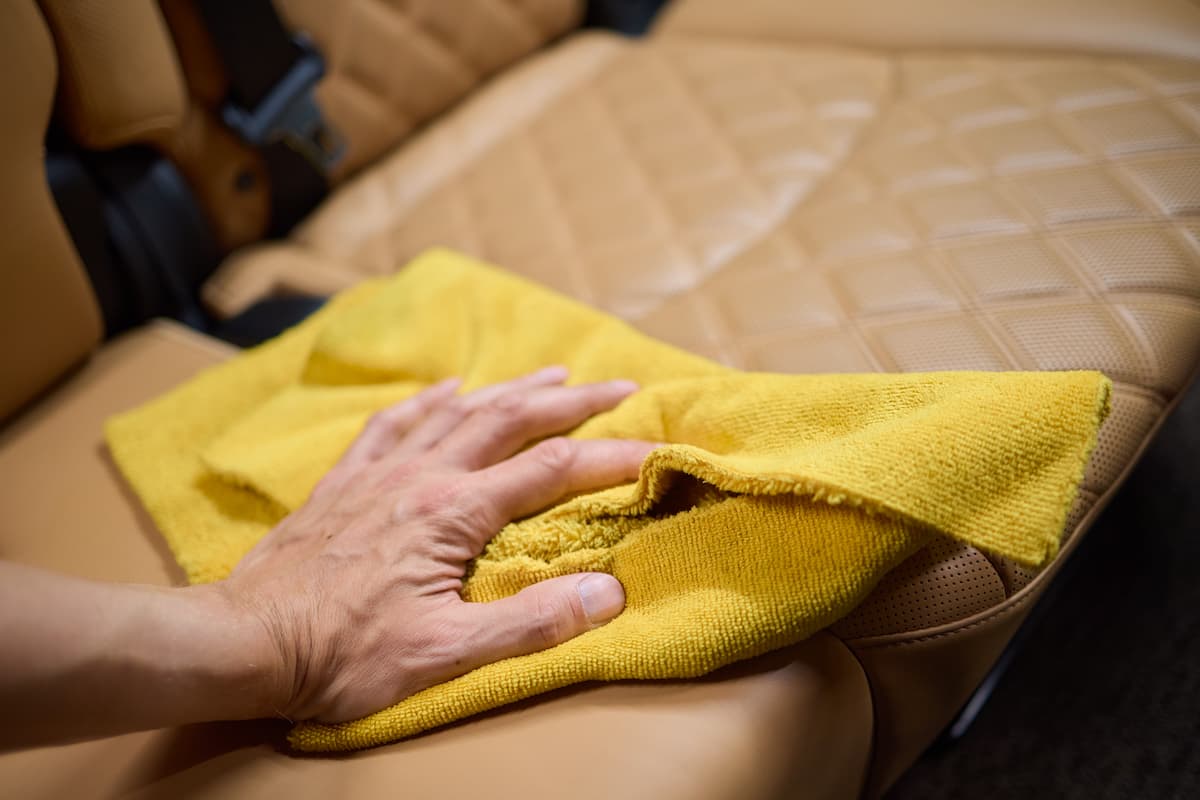
- Wipe the seats. Use a damp microfiber with a few drops of pH‑neutral leather soap. Do not soak.
- Deodorize the air. Place activated charcoal or zeolite bags under seats for 24–48 hours.
- Contain powders. If using baking soda, keep it in a breathable pouch or open jar. Do not rub it on leather.
- Dry hidden moisture. Lift floor mats. Blot any damp spots. Run AC on low temp and high fan to dehumidify.
- Check the cabin air filter. A dirty filter can keep smells cycling inside.
This jump‑start often cuts odor by half or more. It also sets up the deeper steps below on how to get rid of leather seat smell in car.

Deep-clean method, step by step
This is the pro detailer routine I use for stubborn smells. Go slow. Keep leather damp, not wet.
- Tools you need
- pH‑balanced leather cleaner and a water‑based leather conditioner
- Soft leather brush and several clean microfiber towels
- Enzyme cleaner for protein spills on fabric or foam
- Low‑moisture steam option, used with care on coated leather
- Activated charcoal bags and a gentle interior deodorizer
- Step 1: Map the smell
- Sniff seams, perforations, and seat bases. Check under seats and carpets.
- If odor is strongest after rain, look for leaks near door seals.
- Step 2: Clean leather safely
- Apply leather cleaner to a towel, not directly on the seat.
- Work one small panel at a time. Lightly agitate with the brush.
- Wipe dry right away. Repeat until the towel lifts no more grime.
- Step 3: Treat seams and perforations
- Use foam from the cleaner, not liquid, to avoid over‑wetting holes.
- Dab with a towel edge to pull out trapped soil.
- Step 4: Address sources beyond leather
- For milk, sweat, or food in seat creases, blot with an enzyme cleaner on a towel. Keep liquids away from foam when possible.
- If foam is damp or smells musty, remove the seat and dry the foam with airflow and desiccant packs. Severe cases may need foam replacement.
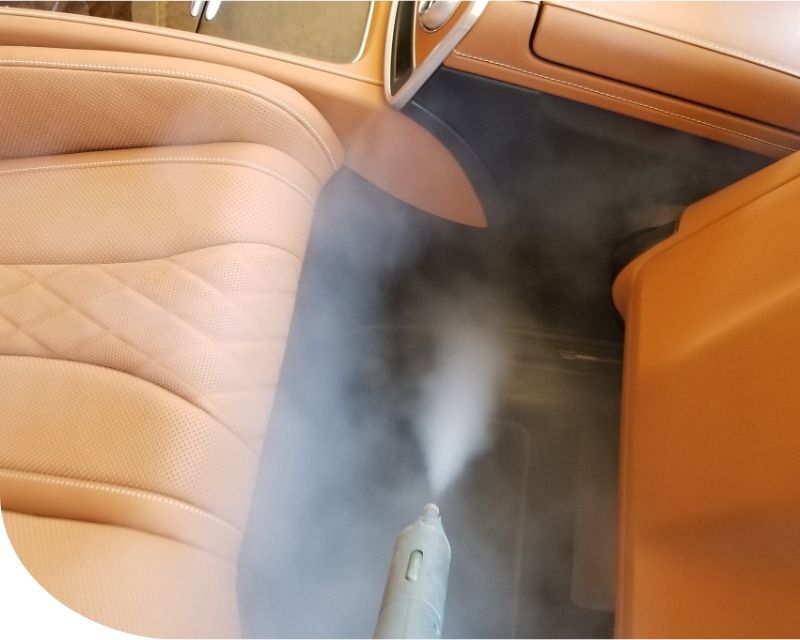
- Step 5: Light steam (optional)
- Only on coated leather and from a safe distance. Short passes.
- Heat helps lift odor compounds. Do not steam aniline or suede.
- Step 6: Neutralize the cabin air
- Place charcoal bags in footwells and trunk for 48–72 hours.
- Run the fan in fresh‑air mode, then recirculate, for 10 minutes each.
- Step 7: Condition and protect
- Apply a light, water‑based conditioner. Let it cure per label.
- Buff dry to a matte finish. No greasy shine.
This approach is how to get rid of leather seat smell in car without masking. It removes the source, refreshes the surface, and balances the hide.
How To Get Rid Of New Car Smell – Easy Methods Without Harsh Chemicals
Deodorizing options compared: what works and what to skip
Not all deodorizers are equal. Here’s what I use, what I avoid, and why.
- Activated charcoal or bamboo charcoal
- Absorbs a wide range of odor molecules. Safe and reusable.
- Place under seats and near the center console.
- Zeolite mineral
- Great for moisture and some VOCs. Recharge in sunlight per instructions.
- Baking soda
- Works best in a container, not on leather. Powders can abrade finishes.
- Use an open jar in cup holders for 24–48 hours.
- White vinegar
- As an air bowl, it can help. As a wipe, only if heavily diluted, then follow with a water rinse towel. Acid can upset leather finish if overused.
- Enzyme sprays
- Good on fabrics and carpets for protein odors. Use sparingly near leather. Apply to a towel first and avoid seams.
- Ozone generators
- Effective for smoke and strong organic odors. Use with extreme caution. Ozone is harmful to breathe and can degrade rubber and some finishes. If needed, hire a pro, seal the car, treat briefly, and air out well.
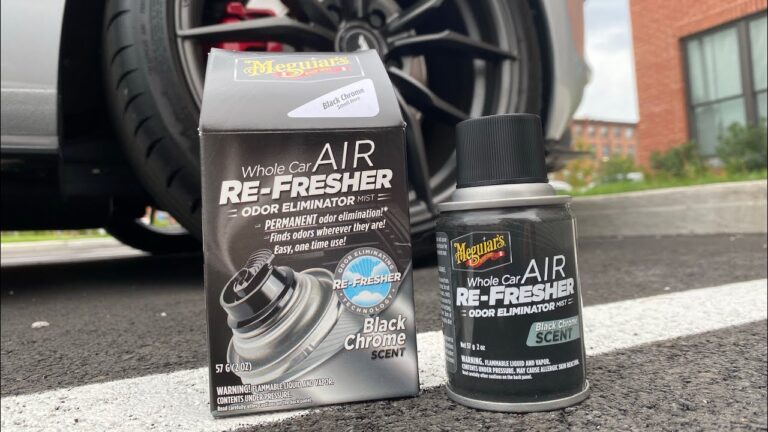
- Scented sprays
- They mask, not fix. Fine at the end, never at the start.
Used in the right order, these tools support how to get rid of leather seat smell in car while keeping materials safe.

Conditioning and protecting leather after odor removal
Clean leather needs moisture and protection. Skipping this step invites new odors and wear.
- Choose a water‑based conditioner with a pH close to 5
- It maintains softness and slows future absorption of spills.
- Avoid silicone‑heavy or oily dressings. They attract dust and can turn sticky.
- Light, even application
- Thin coats dry better and do not trap smells.
- Buff to a dry, factory‑matte look.
- Consider a breathable leather sealant
- A modern, water‑based sealant helps resist dye transfer, sweat, and sunscreen.
- Reapply every 3–6 months, based on use and climate.
This preservation step locks in the win from how to get rid of leather seat smell in car and keeps the cabin fresher longer.
Special cases and red flags
Some odors point to bigger issues. Act fast to protect health and leather.
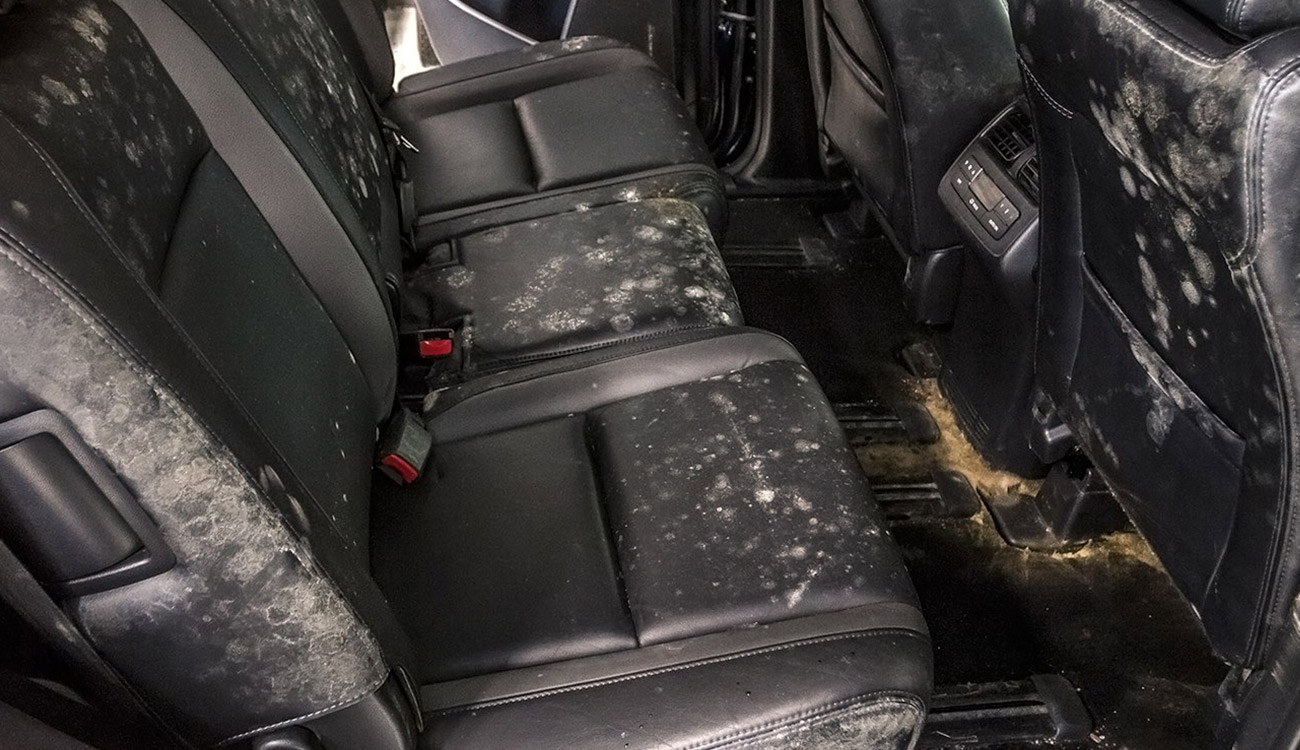
- Mold or mildew
- Signs include a damp, earthy smell and tiny specks under seams or on belts.
- Wear gloves and a mask. Wipe hard surfaces with 70% isopropyl alcohol. Dry the car fully. If seat foam is colonized, replace it.
- Smoke and vape residue
- Tar sticks to every surface. Clean the glass, headliner edges, plastics, and leather with safe, mild cleaners.
- A short, professional ozone treatment can help after cleaning. Ventilate for a long time afterward.
- Protein spills like milk
- They rot and smell worse with heat. Use enzyme cleaners on carpets and foam right away.
- For leather seams, treat, blot, and dry with airflow. Do not flood.
- Persistent chemical odor
- Could be adhesive or plasticizers off‑gassing. Park shaded with windows cracked in safe areas. Use charcoal and time.
When these show up, how to get rid of leather seat smell in car may require foam work or parts replacement. Be honest about limits and call a pro if needed.
Preventive routine and habits that keep seats fresh
A little maintenance beats a big odor fight later.
- Vent smart
- Crack windows slightly in safe spots. Use sunshades to reduce heat buildup.
- Run fresh air at the start of each drive.
- Clean lightly, often
- Quick wipe with a damp microfiber every two weeks. Proper clean and condition every 2–3 months.
- Keep moisture out
- Dry wet clothes before sitting. Fix door seal leaks fast.
- Replace the cabin air filter every 12 months or 12,000 miles, or sooner in dusty areas.
- Manage what enters
- Bag gym gear and food. Skip strong perfumes that soak into leather.
- Use breathable seat covers for heavy use days.
Follow this playbook, and how to get rid of leather seat smell in car becomes a once‑a‑year tune‑up, not a monthly battle.

People also ask: quick answers
Does the new leather smell go away on its own?
Yes, it fades as VOCs off‑gas. Vent often, park in shade, and use charcoal bags to speed it up.
Can I use household cleaners on leather?
Avoid harsh cleaners, bleach, or ammonia. Use a pH‑balanced leather cleaner made for automotive seats.
What is the fastest way for how to get rid of leather seat smell in car?
Ventilate, wipe with pH‑safe cleaner, and add activated charcoal bags. Deep clean and condition the same week for a lasting fix.
Frequently Asked Questions of how to get rid of leather seat smell in car
How long does it take to remove leather seat odor?
Light odors can drop in a day or two. Deep smells from spills or smoke can take a week and may need pro help.
Is baking soda safe on leather seats?
Do not rub baking soda on leather. Keep it in a pouch or open jar so it absorbs odor without abrading the finish.
Will conditioning remove the smell by itself?
No. Conditioning preserves the leather but does not remove source odors. Clean first, deodorize the cabin, then condition.
Can I steam clean leather seats?
Only with low moisture and caution on coated leather. Keep distance, use short passes, and never steam aniline or suede.
What if the smell returns after a week?
You likely missed a hidden source like seat foam or under‑carpet moisture. Recheck for damp areas, replace the cabin filter, and consider a professional inspection.
Conclusion
You can fix leather seat odors with a simple plan. Vent well, clean with pH‑safe products, neutralize the air, and protect the leather. Track down hidden moisture and treat sources, not just the surface.
Start with the quick checklist today, then schedule the deep clean this week. Share your results or questions below, and subscribe for more practical car‑care guides that actually work. If you need a hands‑on plan for how to get rid of leather seat smell in car, bookmark this and follow it step by step.


2 Comments
Comments are closed.