
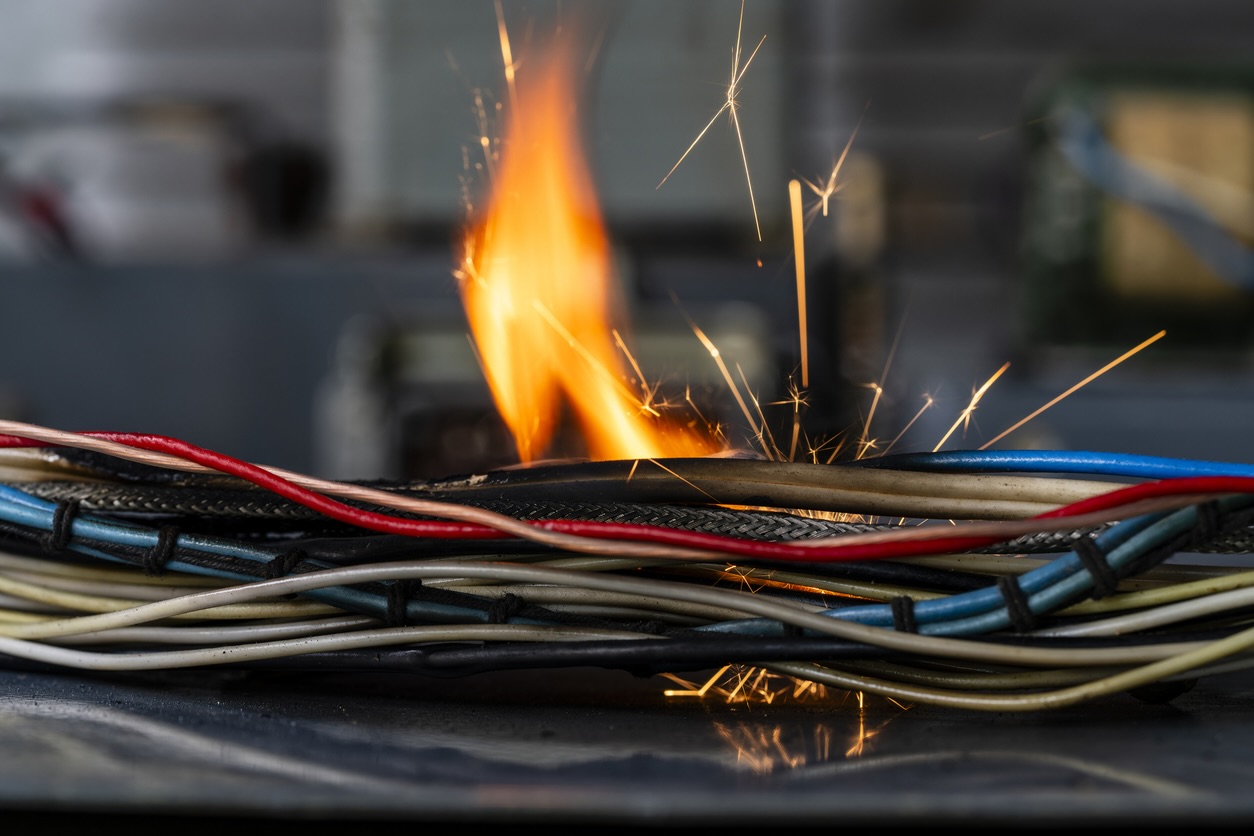
If you’re wondering how to get rid of electrical burning smell in car, start by identifying the source. Turn off the engine and check for burnt wires, blown fuses, or overheating electrical components. Once the issue is fixed, ventilate the car by opening the windows and running the fan. Clean affected areas and use baking soda or an odor absorber to help remove the lingering smell.
Steps to Diagnose and Resolve Electrical Burning Odors
Once the car is safely parked and you have verified there is no active fire, use the table below to systematically troubleshoot the cause. Warning: If you cannot find the source, have your vehicle towed to a professional technician to prevent a dangerous electrical fire.
Component Symptom The Fix Pro Tool / Expert Uses Blower Motor / Resistor Smell occurs only when using AC/Heat; erratic fan speeds. Replace the blower motor (if grinding) or the resistor (if fan speeds fail). Search Blower Resistors Alternator Bitter rubbery smell from the engine bay. Check battery voltage; if it exceeds 15V, replace the voltage regulator/alternator. Digital Multimeter Fuse Box Burnt plastic smell; flickering lights or dead electronics. Inspect for melted plastic/discoloration; replace the fuse panel or relay. Fuse Assortment Kit Cabin Air Lingering odor in upholstery after repair. Use an Ozone Generator (30 mins, car empty, closed doors) to neutralize smell. Ozone Generator
Pull over, cut power to accessories, find the hot circuit, and repair the cause.
That electrical burning smell in a car is a red flag you should not ignore. In this guide, I’ll show you how to get rid of electrical burning smell in car the right way, from fast safety checks to real fixes that last. I’ll share what I’ve learned in the bay, why these smells start, and simple steps you can follow at home with basic tools.

How to Get Rid of Dirty AC Evaporator Smell in Car? – Quick Fixes and Long-Term Solutions
What the electrical burning smell means
An electrical burning smell usually means a circuit ran hot. Wire insulation, plastic connectors, or a device overheated. It can smell like hot plastic, a faint fishy odor, or a sharp ozone scent.
This is not the same as a burnt oil or brake smell. If it smells sweet, it could be coolant. If it smells like burning rubber, it may be a slipping belt. A true electrical smell points to heat from current, resistance, or a short.
Why it matters: heat damages wiring, melts connectors, and can spark a fire. Fix the cause first, then remove the odor.
How To Get Rid Of Heater Smell In Car – 8 Easy Cleaning & Deodorizing Tips
Safety first: what to do right now
If you smell burning while driving, act fast and stay calm.
- Pull over in a safe spot and set the parking brake.
- Turn off A/C, heater, radio, seat heaters, and phone chargers.
- If smoke is visible or you hear buzzing, shut the engine off.
- Do not touch hot parts or melted plastic.
- If flames appear, move away and call emergency services.
If the smell stops when you switch off a feature, note it. That clue helps you find the fault later.

Quick checks you can do in minutes
You can often narrow the source by where the smell is strongest.
- Under the hood
Look for melted plastic, scorched belts, or wisps of smoke. Pay attention to the alternator area, fuse box, and battery terminals. - In the cabin
Sniff near the steering column, under the dash, center console, and passenger footwell. Check seat heaters and window switches. - Fuse and relay boxes
Open the panel and look for discolored fuses, brown relay cases, or melted plastic. - Accessory sockets and chargers
Unplug chargers. Inspect the 12V socket for melted edges or loose fit. - HVAC system
If the smell ramps up with the fan, check the blower motor and resistor, and the cabin air filter. - Belts and pulleys
A slipping belt can smell like hot rubber and mimic an electrical odor. If the smell happens on startup or with A/C on, check belt tension.
Common causes and how to fix them
Below are issues I see most often, with fixes you can do or discuss with a technician.
Blower motor or resistor overheating
Symptoms: Smell increases with fan speed. Fan may fail on some speeds.
Fix: Inspect the blower motor for drag or debris. Replace a noisy or tight motor. Replace a burnt resistor or control module. Clean the cabin filter and housing.
Melted connectors or high-resistance joints
Symptoms: Intermittent power, hot plug housings, browned plastic.
Fix: Replace the connector and any heat-damaged wire. Use proper crimp terminals and heat-shrink. Do not twist-and-tape.
Overloaded accessory circuit
Symptoms: Smell starts when using chargers, dash cams, or an aftermarket stereo.
Fix: Remove add-ons from the cigarette lighter circuit. Use a fused add-a-circuit or a dedicated fused line. Match fuse size to wire gauge.
Alternator or charge cable heating
Symptoms: Hot plastic smell near alternator. Dim lights or battery light on.
Fix: Test alternator output and ripple. Replace a failing alternator or voltage regulator. Clean and tighten battery and ground connections. Replace corroded cables.
Seat heater or switch failure
Symptoms: Smell when seat heater is on. Hot spot in seat.
Fix: Turn it off at once. Replace the seat heater element or switch. Inspect the harness under the seat for pinched wires.
Accessory socket short
Symptoms: Smell when a device is plugged in. Deformed socket rim.
Fix: Replace the socket and fuse. Do not exceed the socket’s amp rating. Use quality chargers.
Ignition switch or column wiring
Symptoms: Smell near steering column. Intermittent start or stuck accessory power.
Fix: Inspect for melted connectors at the switch. Replace the switch or harness section as needed. Disconnect the battery and wait several minutes before working near airbags.
Aftermarket wiring errors
Symptoms: Tape-wrapped splices, wires without loom, random grounds.
Fix: Redo with proper routing, grommets, fuse within 6 inches of power source, and correct gauge. Secure and protect with loom.
I’ve traced many smells to high resistance at a connector. It looks fine until you unplug it and see brown plastic or blackened pins. That tiny bit of resistance turns into heat under load.

How to Locate the Source of the Smell
| Source | Smell Characteristic | What to Look For |
| Wiring Short | Sharp, acrid plastic | Melted wire insulation under the dashboard. |
| Alternator | Bitter, rubbery burn | Overheated coils or a slipping drive belt. |
| Heater Blower Motor | Stagnant, hot plastic | Dust burning on the heater resistor or motor. |
| Headlight/Switch | Intense, localized heat | Discolored or melted plastic around the switch. |
Step-by-step: how to get rid of electrical burning smell in car
Follow this simple plan to diagnose, fix, and clear the odor safely.
- Make it safe
- Park outside and let the car cool.
- Disconnect the negative battery cable if you will inspect wiring. Wait several minutes before working near airbags.
- Localize the smell
- Run the engine and one system at a time for 30 to 60 seconds.
- Note which switch triggers the smell. HVAC, seat heaters, lights, or charging port are common.
- Inspect the hot zone
- Look for browned plastic, melted insulation, or white ash on copper.
- Check fuses and relays for heat marks.
- Spin the blower fan by hand. A stiff fan overheats the resistor.
- Test basics
- Measure battery voltage. Charging should read around 13.8 to 14.6 volts with the engine on.
- Wiggle-test connectors with the suspect system on. If the smell spikes, that connector likely has high resistance.
- Repair the cause
- Replace burnt fuses only after fixing the fault.
- Replace melted connectors, motors, resistors, or switches.
- Rebuild bad splices using crimp and heat-shrink.
- Reroute aftermarket wires with proper fusing and loom.
- Clear the odor
- Ventilate with doors open and fan on fresh air.
- Replace the cabin air filter.
- Use baking soda or activated charcoal in the cabin overnight.
- Avoid heavy fragrances that mask warning smells.
- Confirm the fix
- Road test each system under load for 10 to 15 minutes.
- If any warmth or smell returns, stop and recheck.
Use this process any time you need to know how to get rid of electrical burning smell in car. It finds the root cause so the odor does not come back.

Deodorize safely after the fix
Once the fault is fixed, you can remove the leftover odor.
- Air it out
Park in a safe spot, doors open, windows down. Run the fan on fresh air, medium speed, and warm for 10 minutes. - Change the cabin filter
If the smell passed through HVAC, the filter trapped it. Replace it. - Clean surfaces
Wipe plastics, vents, and floor mats with a mild interior cleaner. Smoke and plastic fumes cling to textured trim. - Use odor adsorbers
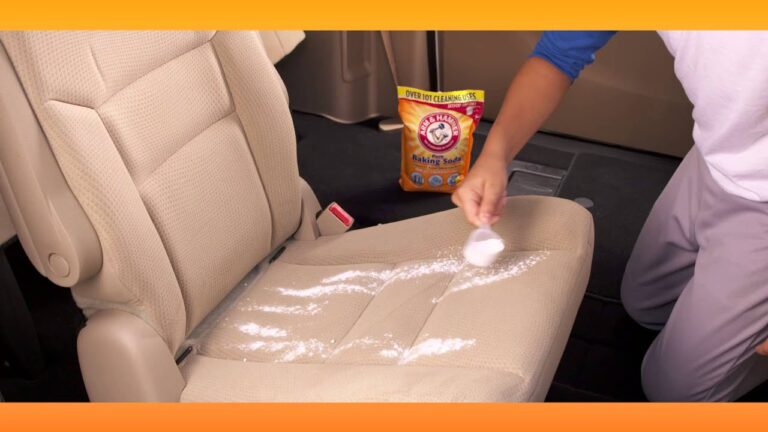
Place bowls of baking soda or activated charcoal overnight. These trap smells without covering them. - Ozone use caution
Ozone can break down odors, but it can also harm rubber and irritate lungs. If you use it, do it professionally and never sit in the car during treatment.
These simple steps help if you wonder how to get rid of electrical burning smell in car without masking a live fault.

When to see a pro and what it may cost
Seek a qualified technician if you see melted connectors deep in the dash, the smell returns fast, or you suspect airbag or ignition wiring. Specialized tools help find high resistance and parasitic draws.
Typical ranges vary by model and access:
- Blower resistor or motor: parts and labor can be modest to moderate.
- Seat heater element: moderate due to upholstery work.
- Alternator and cable repair: moderate to higher depending on parts.
- Harness connector repair: small to moderate, more if dash removal is needed.
- Diagnosis: expect at least an hour of labor for electrical pinpoint tests.
A good shop will confirm the root cause, not just swap parts. That is the smart way to get rid of electrical burning smell in car and keep you safe.
Prevent the smell from coming back
A few habits go a long way.
- Do not overload the cigarette lighter socket with high-draw devices.
- Use quality chargers and cables that fit snug.
- Replace the cabin air filter on schedule to keep blower load low.
- Keep belts tight and in good shape to avoid hot rubber smells.
- Check battery terminals and grounds for corrosion every service.
- If you add electronics, use fused power, proper gauge, and clean grounds.
- Fix water leaks. Moisture increases resistance and corrosion in connectors.
Make these routine and you may never ask how to get rid of electrical burning smell in car again.

Frequently Asked Questions of how to get rid of electrical burning smell in car
Is it safe to drive with an electrical burning smell?
No. Pull over, switch off non-critical systems, and investigate. Overheated wiring can lead to fire or sudden failure.
Can a bad alternator cause a burning smell?
Yes. A failing alternator or poor charge cable connection can overheat and smell like hot plastic. Test output and inspect cables and grounds.
Will replacing the cabin air filter remove the smell?
Only if the cause is fixed. The filter can hold odors, but you must repair the hot circuit first.
How do I tell electrical smell from burning oil or brakes?
Electrical smells are sharp, plastic, or fishy, often stronger with a device on. Oil smells earthy and smoky, while brakes smell acrid after hard stops.
Could a phone charger cause it?
Yes. Cheap or damaged chargers can overheat sockets and wiring. Unplug it, inspect the socket, and replace any deformed parts.
Do blown fuses cause smells?
A blown fuse usually ends the flow, but the event that blew it may have made heat and odor. Find and fix the short before replacing the fuse.
Can seat heaters start this smell?
Yes. A failing element or switch can overheat fast. Turn it off at once and inspect the harness under the seat.
Conclusion
An electrical burning smell means heat, and heat means risk. Act fast, track the circuit, and fix the root cause. If you follow the steps above, you know how to get rid of electrical burning smell in car in a safe, clear, and lasting way.
Ready to tackle it? Start with the quick checks, replace the cabin filter after the repair, and set a reminder to inspect grounds next service. If you found this helpful, subscribe for more simple car care guides or drop a comment with your question.

One Comment
Comments are closed.