How To Get Rid Of Water Smell In Car?
Nobody likes stepping into their car and being greeted by a musty, unpleasant water smell. This odor can make drives uncomfortable, and sometimes it even means there’s a bigger problem hiding beneath the seats or carpets. If your car smells like wet socks or a damp basement, you’re not alone.
Many drivers face this issue, especially after rainy weather, car washes, or spilled drinks. The good news? You can get rid of that water smell in your car with the right steps, and keep it away for good.
Remove Water Smell By Drying And Cleaning All Damp Areas
The fastest way to get rid of a water smell is to find and dry every wet spot in your car. Moisture is the main reason for that musty odor, so it’s important to remove it as soon as possible.
Start by checking the car’s interior, especially the carpets, mats, and seats. Feel with your hands for any dampness. If you find wet spots, remove floor mats and set them in the sun. Use towels to blot as much water as you can from carpets and upholstery. If possible, park your car in a sunny spot with doors and windows open for a few hours. Sunlight helps dry things quickly and kills odor-causing bacteria.
For deeper moisture, a wet/dry vacuum or a home carpet cleaner can pull out water trapped in the carpet padding. These machines are often available for rent at local hardware stores.
If you ignore damp areas, the smell will come back, and you might even get mold or mildew growth, which is much harder to remove and can cause health problems.
Find The Source Of Moisture And Fix It
Just drying your car isn’t enough if you don’t fix what’s causing the moisture. Water can enter your car in several ways, and if you don’t stop the leak, the smell will keep coming back.
Common leak sources include:
- Worn door or window seals – Check for cracked or loose rubber seals around doors and windows.
- Blocked sunroof drains – Open your sunroof and pour a small amount of water in the corner drains. If it doesn’t drain under the car, the drains are likely blocked.
- Clogged AC drain hose – If water appears on your front passenger floor after using the air conditioning, the AC drain hose may be blocked.
- Damaged windshield seals – Rainwater can seep through old or poorly sealed windshields.
Once you find the problem, repair or replace faulty parts. For example, clear blocked drains with a flexible wire or have a mechanic check your AC system. Fixing leaks prevents new odors and protects your car from rust and mold.

Use Odor Neutralizers And Absorbers For Lasting Freshness
After drying out your car and fixing leaks, you still might notice a lingering smell. This is because moisture often leaves behind odor-causing bacteria or mildew. To tackle this, use products that neutralize or absorb odors.
Some effective options:
- Baking soda – Sprinkle it on carpets and seats, let it sit overnight, then vacuum.
- Activated charcoal bags – Place them under seats for ongoing odor control.
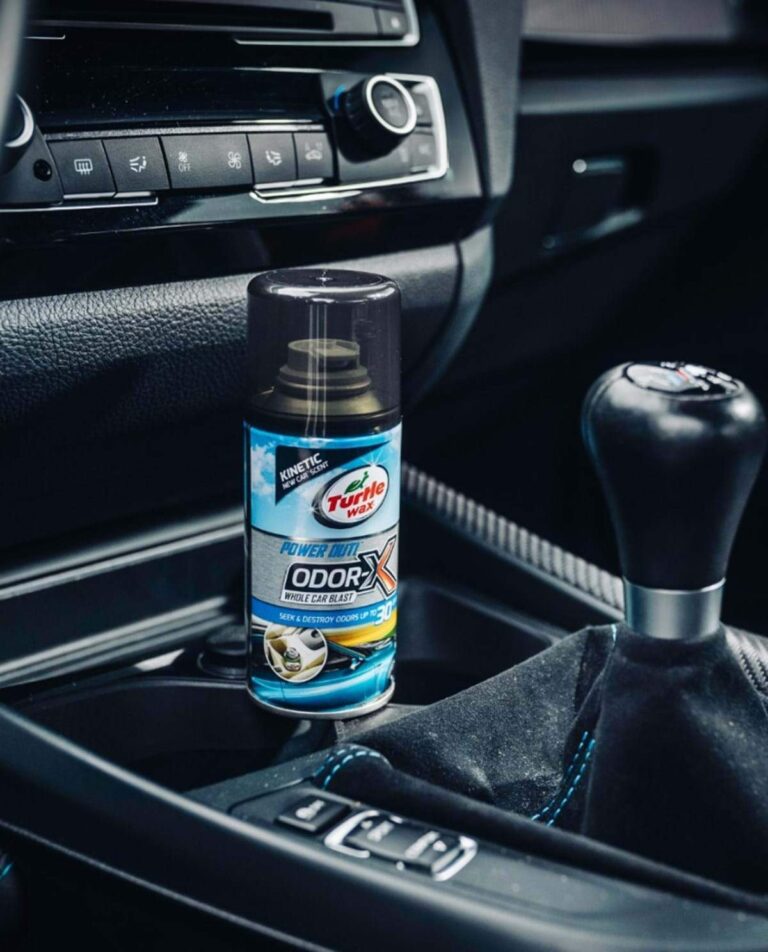
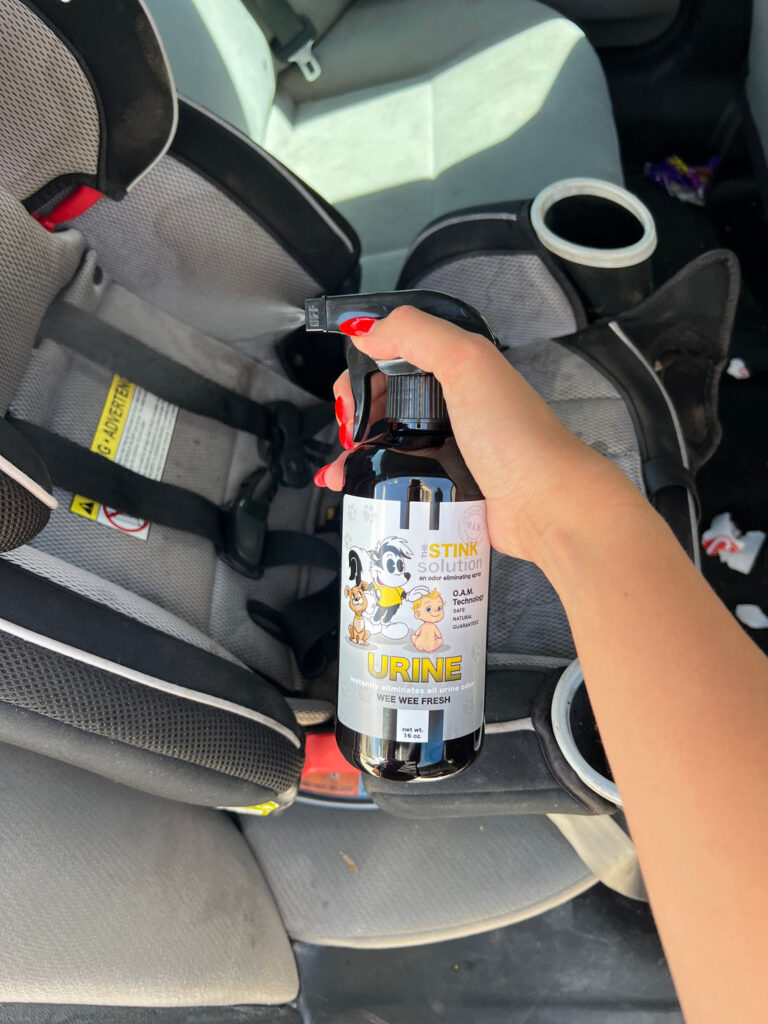
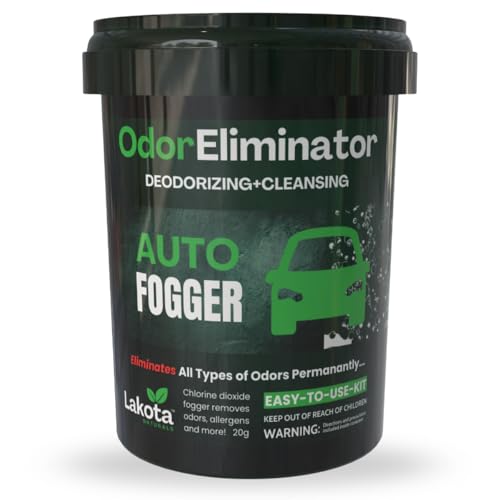
- Commercial odor eliminators – Choose products made for car interiors, like sprays or foggers, which neutralize smells instead of just masking them.
Here’s a quick comparison of common odor absorbers:
| Odor Absorber | Effectiveness | How to Use | Cost (Approx.) |
|---|---|---|---|
| Baking Soda | Good for mild odors | Sprinkle, leave overnight, vacuum | $1-2/box |
| Activated Charcoal | Very effective | Place bag under seat | $10-15/bag |
| Commercial Foggers | Best for strong odors | Spray or fog as directed | $8-20/can |
Using odor absorbers is especially helpful if your car was wet for several days before you noticed. For best results, repeat the process until the smell is completely gone.
Deep Clean Carpets And Upholstery
Even after drying, carpets and seats can hold onto odor-causing particles. A deep cleaning removes these and leaves your car smelling fresh.
For a do-it-yourself approach:
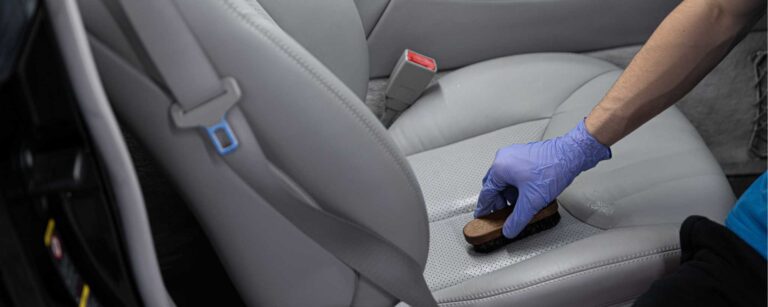
- Mix a mild detergent with warm water.
- Use a soft brush or sponge to gently scrub carpets and seats.
- Rinse with clean water, using a wet/dry vacuum to suck up excess moisture.
- Leave windows open or use fans to help everything dry quickly.
If the smell is still strong, consider using a carpet shampooer or hiring a professional detailing service. Professional cleaners have stronger equipment and cleaning solutions that reach deep into fabric and padding.
One thing beginners often miss: cleaning under the seats and in the trunk. Water sometimes gathers in these less obvious places, so don’t skip them.
Best Natural Car Odor Eliminators: Tested 6 Items That Kill Car Odors for Pennies
Replace Cabin Air Filter If Needed
Many cars have a cabin air filter that cleans air before it enters the passenger area. If your car smells musty, especially when the air conditioning is on, the filter may be dirty or moldy.
Check your owner’s manual to find the location—usually behind the glove box. Take out the filter and look for dirt, mold, or a bad smell. If it’s dirty or wet, replace it with a new one. Cabin air filters are cheap and easy to install.
Here’s a simple comparison:
| Condition | What to Do | Cost (Approx.) |
|---|---|---|
| Clean, dry filter | Keep using | $0 |
| Dirty or moldy filter | Replace | $10-25 |
Don’t overlook this step—a moldy cabin filter will keep spreading smells every time you turn on the fan or AC.
Use A Dehumidifier Or Moisture Absorber
If you live in a humid area or park your car outside, moisture can build up inside, making it hard to stay smell-free. Using a portable dehumidifier or moisture absorber helps keep the air dry.
Small, car-sized dehumidifiers are available online or in auto shops. These devices pull moisture from the air and collect it in a container. Silica gel packs and moisture absorber tubs are also good, budget-friendly options.
Some drivers miss this extra step, but it’s especially helpful if you rarely drive your car or leave it parked for long periods.

Clean The Air Vents And Ac System
Sometimes, the water smell comes from mold or bacteria in the air vents or AC system, not just from carpets. This is common if the AC was used often, especially in humid weather.
To clean vents:
- Turn off your car and AC.
- Spray a disinfectant or special AC cleaner into the air intake vents (usually near the windshield wipers).
- Run the AC and fan on high for a few minutes with windows open.
This cleans out bacteria and helps freshen the air. If the smell is very strong, you might need a professional to clean the system thoroughly.
Don’t Forget The Trunk And Spare Tire Area
Water leaks are not limited to the front of your car. The trunk and especially the spare tire compartment can collect water, causing hidden odors.
Lift the trunk carpet and check for moisture or stains. Dry the area with towels and leave the trunk open to air out. Don’t forget to check around the tail lights—sometimes, they are a leak point after minor accidents or old age.
If the trunk lining smells bad, clean it with the same methods as the rest of the car. You might need to remove it for thorough drying.
Use Prevention Techniques To Stop Water Smell From Returning
Once your car smells fresh again, a few simple habits can keep it that way:
- Keep windows and sunroof closed during rain.
- Shake snow and water off shoes before entering.
- Regularly check floor mats and carpets for dampness, especially after storms.
- Clean up spills right away—don’t let drinks or water bottles leak overnight.
- Inspect rubber seals and fix small cracks before they cause big leaks.
Preventing moisture is much easier than removing a stubborn smell later.
When To Seek Professional Help
If you’ve tried everything and the smell won’t go away, it may be time to visit a professional detailer or mechanic. Persistent odors sometimes mean hidden mold, water under the carpet padding, or damage to the car’s structure.
Professionals use special tools like steam cleaners and ozone generators to kill bacteria and remove deep smells. Mechanics can find and fix leaks you might have missed. While it costs more, a professional cleaning can save your car’s value and make it safe again.
Common Mistakes To Avoid
Many car owners make small mistakes that let water smell return:
- Only cleaning the surface but not drying underneath carpets.
- Ignoring leaks, thinking the smell will go away on its own.
- Using air fresheners to cover the smell instead of treating the source.
- Forgetting to replace a dirty cabin air filter.
Remember, real odor removal means drying, cleaning, and stopping new moisture.
How Water Smell Can Affect Your Health
A musty water smell is more than just annoying—it can be unhealthy. Mold and mildew spores can trigger allergies, asthma, or headaches. If you notice coughing, sneezing, or itchy eyes when riding in your car, it’s a sign the air isn’t clean.
Children and elderly passengers are more sensitive to these problems. Solving water smells quickly protects everyone who rides with you.
Why Cars Develop Water Smell
Understanding why this happens can help you prevent it. Water smells often come from:
- Rain leaks (old seals, blocked drains)
- Spilled drinks or wet clothes
- High humidity
- Flooding or windows left open during rain
Modern cars have many hidden layers under the carpet, so even a small leak can create a big problem if left unchecked.
Frequently Asked Questions
Why Does My Car Still Smell After Cleaning?
If your car still smells after cleaning, it’s likely there’s moisture trapped under the carpets or in the padding. You may also have missed a leak or a dirty cabin air filter. Make sure everything is fully dry and check for hidden damp spots.
Can I Use Vinegar To Remove The Water Smell?
Yes, white vinegar is a natural odor neutralizer. Mix one part vinegar with two parts water, spray it on carpets and seats, let it sit for 10-15 minutes, then blot dry and air out your car. It helps kill mold and bacteria.
How Do I Know If The Smell Is From Mold?
A mold smell is often musty, earthy, or like wet socks. You might see small black or green spots on carpets or under seats. If you have allergies or breathing issues in the car, it’s likely mold is present.
Is It Safe To Drive With A Water Smell In My Car?
While it’s not immediately dangerous, a water smell can mean mold or bacteria is present, which can affect your health. It’s best to fix the problem soon to avoid breathing problems or structural damage to your car.
Where Can I Learn More About Fixing Car Leaks?
You can find more information about fixing common car leaks at the Automobile Leak Detection Wikipedia page.
Getting rid of a water smell in your car takes a little work, but it’s worth it. Dry your car, fix any leaks, and clean thoroughly. With these steps, you can enjoy a fresh-smelling ride—and keep it that way for the long haul.