To get rid of a radiator smell in your car, first identify and fix the source, which is usually a coolant leak or spilled antifreeze. A sweet smell inside the cabin often indicates a leaking heater core, while an engine bay smell may point to loose hoses or a cracked radiator. After repairing any leaks, clean the affected area with water and mild detergent to remove residue, and check coolant levels regularly to prevent the smell from returning.
Expert Tool: Find the “Sweet Smell” Instantly
Finding a tiny coolant pinhole by eye is nearly impossible. Professional mechanics use a UV Dye Leak Detection Kit to find exactly where the radiator smell is coming from.
How to use it: Simply add the UV dye to your radiator, run the engine for 10 minutes, and shine the included UV flashlight over your hoses. The leak will “glow,” showing you exactly which part needs replacing. It’s the best way to stop radiator smells before they turn into a blown head gasket.
Fix coolant leaks, clean spills, and clear HVAC to stop radiator smell in your car.
If you want a simple, proven plan on how to get rid of radiator smell in car, you are in the right place. I have fixed this issue in daily drivers and high-mileage work trucks for years. This guide on how to get rid of radiator smell in car gives you clear steps, real checks, and smart fixes that work. Read on to find leaks, remove the odor, and keep it from coming back.

What that radiator smell really means
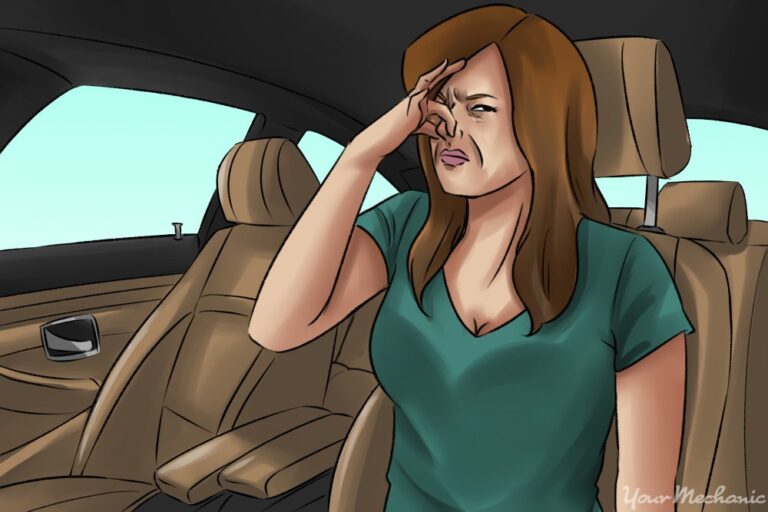
A sweet, syrup-like smell often points to engine coolant. That scent shows up when ethylene glycol or propylene glycol heats up and vaporizes. A light white mist on the windshield, or a sticky film on glass, often means heater core trouble.
Not all smells are the same. A burnt, sharp scent may be oil on a hot part. A sour or musty odor is often mold in the HVAC box. A rotten egg smell comes from fuel or a catalytic issue, not coolant.
Look for proof. Dried coolant leaves a white, yellow, or pink crust near clamps, hose ends, and the radiator. Check the overflow tank level. If it drops over time, the system is bleeding somewhere. Understanding the source is half of how to get rid of radiator smell in car.
How To Get Rid Of Antifreeze Smell In Car?– Locate the Leak & Eliminate Odor
Safety first before you troubleshoot
Coolant is toxic to pets and kids. Wipe spills at once and bag any rags. Keep pets away from the work area.
Do not open a hot radiator or cap. Hot systems are under pressure and can spray scalding fluid. Let the car cool, then wear gloves and eye protection.
Work in fresh air. Use wheel chocks if you raise the car. Dispose of coolant at a proper site. Follow local rules for fluids.
Step-by-step: how to get rid of radiator smell in car
When you learn how to get rid of radiator smell in car, start slow, then go deep. Use this plan to find the cause fast.
- Check coolant level cold
- Look at the marks on the overflow tank. If low, top up with the right mix. Record how much you add.
- Inspect the cap and neck
- A weak cap lets vapor out. Look for wet stains or crust at the cap and filler neck.
- Scan hoses and clamps
- Squeeze the upper and lower radiator hoses. Look for soft spots, cracks, or leaks at clamps.
- Look under the car
- Use a light. Check for drips near the radiator, water pump, heater hoses, and T joints.
- Smell the HVAC vents
- Turn on heat. If the sweet smell grows and the windshield fogs with a film, suspect the heater core.
- Check the passenger footwell
- Feel the carpet. A damp or sticky area on the right side may be coolant from the heater core.
- Inspect the water pump area
- Many pumps have a weep hole. Dried tracks there mean the seal is going.
- Confirm the A/C drain is clear
- A blocked drain traps moisture and mold. That can mask or mix with coolant scent.
- Clean any old spills
- Old coolant on the block or splash shields will reheat and stink. Use degreaser and rinse well.
- Pressure test if needed
- A cooling system pressure tool finds small leaks. UV dye helps you see tiny seep points at night.
The fastest way to start on how to get rid of radiator smell in car is to verify the leak, fix it, and then clean the residue. Skipping steps leads to the smell returning.
How to Get Rid of Burnt Coolant Smell in Car – Causes & Step-by-Step Fixes
Fixes for the most common causes
Here are the repairs I see most in the shop. These fixes are core to how to get rid of radiator smell in car.
Leaking radiator or hoses
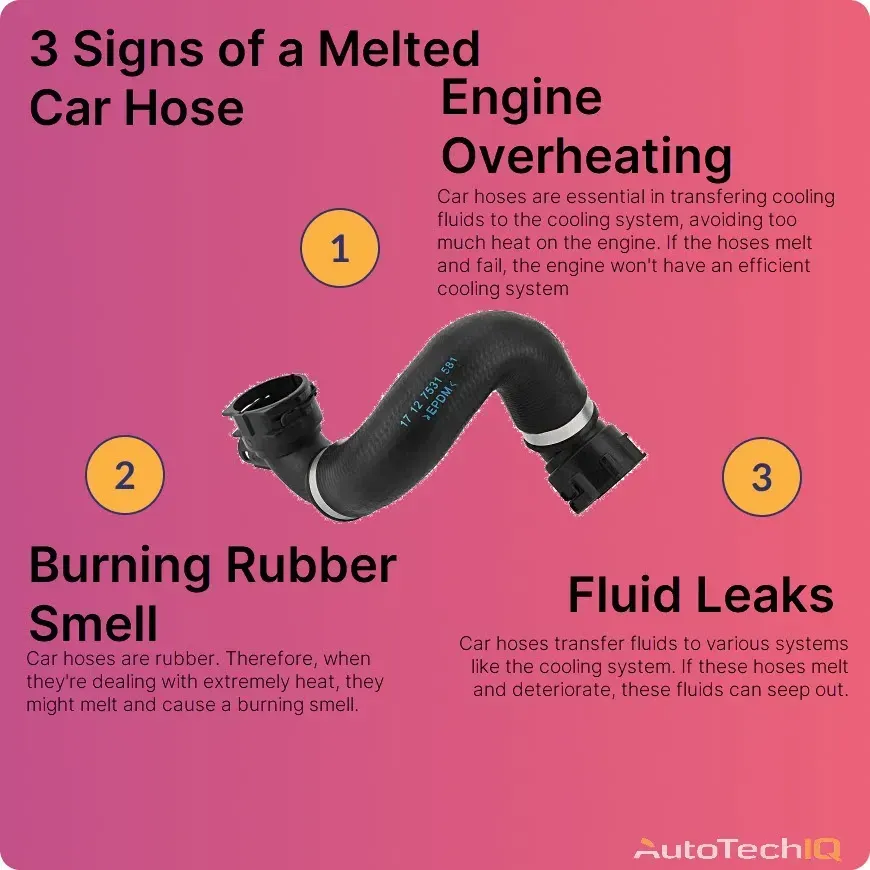
- Replace cracked hoses and worm clamps. Spring clamps often seal better on OEM fittings.
- If the radiator end tank seeps, replace the radiator. Plastic tanks split with age and heat cycles.
- After any part swap, bleed air from the system to prevent hot spots and new smells.
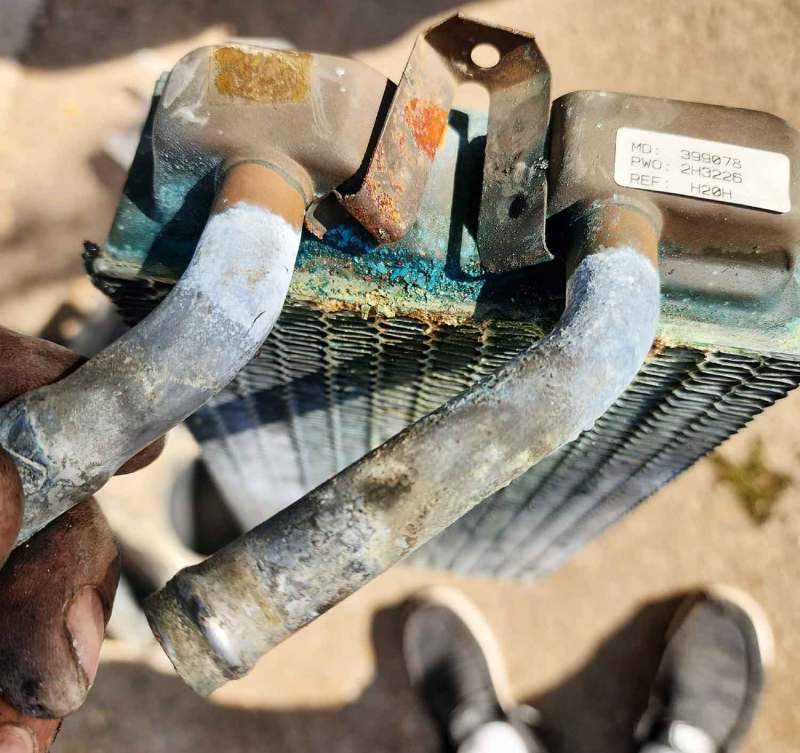
Heater core leak
- Signs include sweet smell with heat on, greasy film on glass, and wet passenger carpet.
- Replace the heater core and O-rings. Many cars need dash access, so plan time.
- Dry the carpet with a fan and use an enzyme cleaner to prevent lingering odor.
Bad cap or overflowing reservoir
- A weak cap vents too low. Install a cap with the correct pressure rating.
- Verify the overflow hose is not cracked. Make sure it reaches the tank.
Water pump seep
- Look for crust at the weep hole. Replace the pump and gasket if leaking.
- Refill with the right coolant and purge air. Recheck for drips after a test drive.
Spilled coolant on engine or splash shields
- Use a coolant-safe degreaser on hot zones and shields. Rinse well.
- Clean the undertray. It can hold dried coolant and smell for weeks.
Head gasket concern
- Watch for creamy oil, white exhaust on warm days, or a fast drop in coolant with no outside leak.
- Use a block test fluid or seek a pro check. Fix early to avoid major damage.
Mold in the HVAC, not coolant
- Replace the cabin air filter. Spray an HVAC-safe cleaner into the intake with the fan on.
- Keep the A/C drain clear. Run the fan a bit before parking to dry the box.
Expect parts and time to vary by make. A cap or hose is quick and cheap. A heater core can take many hours. Plan your budget and decide DIY vs shop based on access and tools.
Deep-clean the odor from your cabin and engine bay
Cleaning is the second half of how to get rid of radiator smell in car. Even after a repair, dried coolant can keep the scent alive.
- Engine bay
- Apply a coolant-safe degreaser to affected areas. Let it dwell, then rinse with low pressure.
- Focus on the radiator support, frame rails, and undertray.
- Interior
- Blot any damp carpet. Use an enzyme cleaner to break down residue.
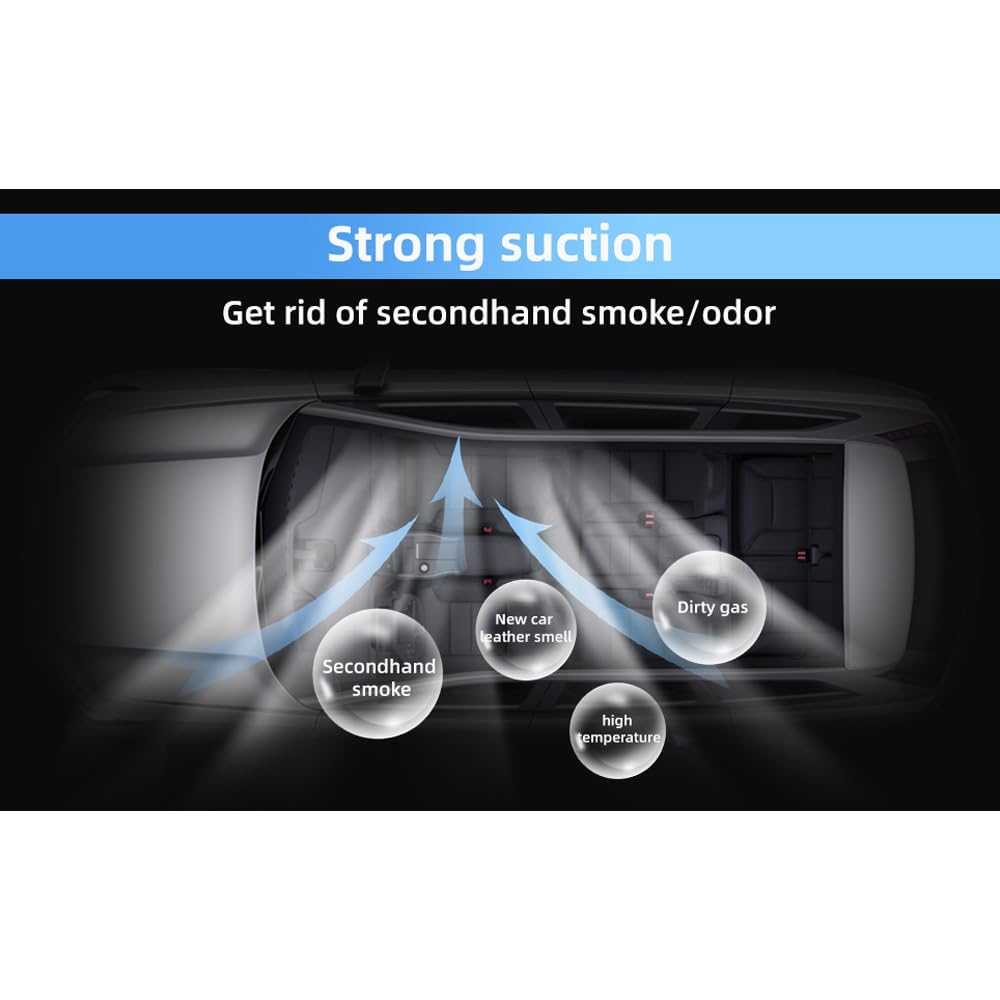
- Place an activated charcoal bag under the seat for a week. Replace if the smell lingers.
- HVAC system
- Swap the cabin filter. Mist an HVAC cleaner into the cowl intake with recirc off, fan on medium.
- Let it dry. Then run heat and A/C to cycle the system.
- Ozone note
- Ozone can remove odors but can also damage rubber. Use with care and for short sessions only.
Recheck after a few drives. If the scent returns, the leak is still active or the spill was not fully cleaned.
Prevent it from coming back
Prevention locks in your work on how to get rid of radiator smell in car. Simple habits save money and time.
- Use the right coolant
- Match OEM spec. Do not mix types. OAT, HOAT, and silicate blends do not always play well.
- Service on schedule
- Flush at the time or miles the maker suggests. Old coolant loses inhibitors and can corrode parts.
- Inspect seasonally
- Check clamps, hoses, and the cap spring each oil change. Look for crust at joints.
- Keep the HVAC dry
- Clear the A/C drain. Run the fan for a minute before shut down to dry the box.
- Watch your nose and your gauge
- Any new sweet smell or a temp gauge that drifts is an early sign. Act fast.
These small checks support your work on how to get rid of radiator smell in car and keep the cabin fresh.
Real-world examples and mistakes to avoid
Here is how I approach how to get rid of radiator smell in car in the shop, and what I have learned.
- The foggy windshield clue
- A sedan came in with a sweet smell and a greasy haze on glass. The heater core O-rings were flat. A new core and deep carpet dry-out solved it.
- The hidden splash shield spill
- A truck had a smell only after long drives. A past spill soaked the undertray. A steam clean fixed it after the leak was already repaired.
- The stop-leak trap
- Stop-leak can clog heater cores. It is a short-term patch at best. Use it only to get home, then do a real fix.
- Mixing coolant types
- A blend turned to gel and caused hot spots and odor. Always match coolant spec and flush if the type is unknown.
- Opening the cap hot
- One DIYer got burned. Never open a hot system. Let it cool. Use a rag and face shield if unsure.
These lessons cut guesswork. They also save parts and protect your health.
Quick answers to common questions
How long does the smell take to fade after a fix?
Most cars lose the scent in a few days once spills are cleaned. Old residue can take a week to off-gas.
Can cabin filters remove coolant smell?
A new filter helps, but it will not hide an active leak. Fix the leak first, then replace the filter.
Is a sweet radiator smell always coolant?
Almost always, yes. That sweet scent is a hallmark of glycol. Still, confirm with a visual check and a pressure test.
Frequently Asked Questions of how to get rid of radiator smell in car
Can I drive with a radiator smell in the car?
Short trips may be safe, but a leak can get worse fast. Watch the temp gauge and coolant level, and fix the issue soon.
What is the cheapest way to remove the smell?
Find and fix small leaks early, clean spills, and replace the cabin filter. Activated charcoal bags are low-cost and help.
Which coolant should I use after a repair?
Use the exact coolant type your maker lists. Mixing types can cause deposit build-up and more smells.
Do I need a pressure test?
If you cannot find a leak by sight, a pressure test helps a lot. It reveals small seep points without running the engine.
Will a radiator stop-leak product fix the odor?
It may slow a drip, but it can clog small passages. It is not a real repair and the smell often returns.
How do I know if the heater core is leaking?
Look for sweet smell with heat on, a sticky film on glass, or damp carpet on the passenger side. These are classic signs.
Can a bad radiator cap cause a smell?
Yes. A weak cap vents vapor too soon. Replace it with the right pressure rating to restore the seal.
Conclusion
You can beat the odor by finding the source, fixing it right, and then cleaning every trace. Now you know how to get rid of radiator smell in car without guesswork. Start with a cold-level check, inspect hoses and the heater core, clean spills, and refresh the cabin filter.
Take action today. Do one check, then the next, and the smell will fade for good. If you found this useful, share it, bookmark it, or leave a question so I can help with your specific car.

One Comment
Comments are closed.