Persistent odors in a car can be eliminated by keeping the interior clean and using high-quality products. Regularly vacuuming carpets and seats, cleaning air vents, and using odor-neutralizing sprays or charcoal absorbers can significantly reduce smells. Choosing products with specialized deodorizing properties helps maintain a fresh, odor-free cabin, similar to how premium automotive oils improve engine performance and smoothness.
How To Get Rid Of Persistent Smell In Car
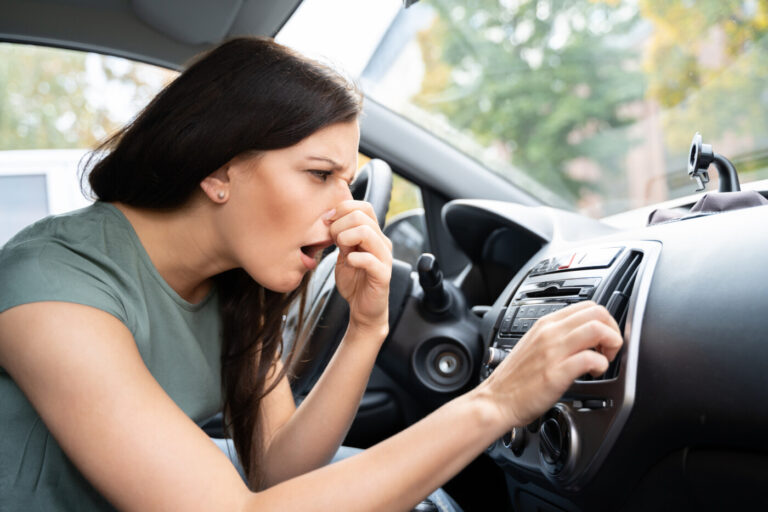
No one wants to step into a car that smells bad. If you are dealing with a persistent smell in your car, the fastest way to remove it is to clean all surfaces, find the source, and use products that neutralize odors—not just mask them. Most car smells come from spilled food, mold, smoking, pets, or moisture trapped in carpets and upholstery. The good news is: you can get rid of even the toughest odors with the right steps. Let’s look at how to solve this problem, so your car smells fresh again and stays that way.
Remove The Source Of The Smell First
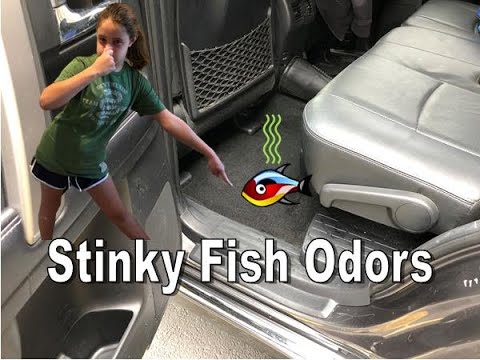
Start by finding and removing the source of the odor. If you only spray air freshener, the smell will come back. Check under seats, in the glove compartment, cup holders, and trunk for forgotten food, trash, or damp items. If you have kids or pets, look for hidden spills or crumbs in seat cracks or floor mats. Sometimes, even a small piece of food or a damp towel can create a big problem over time.
If you smoke or carry smokers in your car, ash and cigarette butts are common sources. For pet owners, fur and accidents can leave strong odors. Remove all visible waste, trash, and any items that could hold a smell.
Deep Clean The Interior
Once you’ve removed the source, deep clean all surfaces. This step is crucial because odors often soak into fabrics and soft materials.
Vacuum Everything
Use a strong vacuum to clean:
- Carpets
- Floor mats
- Seats (especially cloth upholstery)
- Trunk
- Between seat cracks and under seats
Pet hair, dust, and dirt trap smells. Even if you can’t see it, vacuuming pulls out hidden particles.
Wash Or Replace Floor Mats
If your floor mats are rubber, wash them with soap and water. For carpeted mats, use a carpet cleaner and let them dry fully before putting them back. If mats are moldy or still smell after cleaning, it may be time to replace them.
Clean Upholstery And Carpet
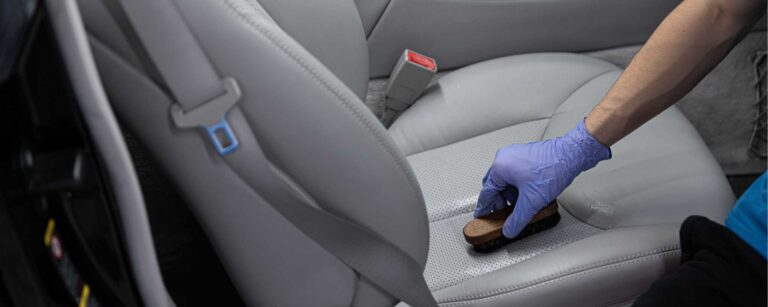
Use a carpet and upholstery cleaner or a mixture of water and mild soap. Spray lightly, scrub with a soft brush, and blot with a clean towel. Be careful not to soak the fabric, as too much water can cause mold.
For leather seats, use a leather cleaner and conditioner. Avoid harsh chemicals that can damage the material.
Wipe Down All Surfaces
Don’t forget dashboards, door panels, cup holders, and vents. Use a microfiber cloth and an interior cleaner. Smells can stick to hard surfaces, especially if drinks have spilled.
Treat Air Vents And Ac System
Air vents and the AC system are a common source of persistent car smells, especially if you smell mustiness when the AC runs. Mold and bacteria can grow in these systems.
Change The Cabin Air Filter
A dirty cabin air filter can trap odors and push them back into your car. Check your owner’s manual to find the location and type of filter. Most filters are easy to replace at home. If you drive in dusty or humid areas, change your filter at least once a year.
Clean The Vents
Spray a disinfectant spray or an AC cleaner foam into the air vents while the car is running and the fan is on high. This helps kill mold and bacteria inside the system. Some products are made for automotive use and can be found at auto stores.
Run The Ac On Max
After spraying, run the AC on max for 10-15 minutes with the windows open. This helps dry out moisture and clears out any leftover cleaning agents.
How to Get Rid of Water Leak Smell in Car – Easy Fixes That Work
Neutralize Odors With Proven Products
It’s important to neutralize odors rather than just cover them up. Many products can help with this step.
Use Baking Soda
Baking soda is a natural odor absorber. Sprinkle it on carpets and seats, leave it for a few hours (or overnight), and then vacuum it up. This works especially well for food or smoke smells.
Try Activated Charcoal
Activated charcoal absorbs smells from the air. Place a few small bags under seats or in cup holders. Replace them every couple of months.
Use Enzyme Cleaners
Enzyme cleaners break down organic materials like pet urine, milk, or vomit. Spray on the affected area, let it sit, then wipe away. These cleaners are especially good for strong, stubborn smells.
Ozone Generator (advanced Step)
For extreme cases, you can use an ozone generator. This machine produces ozone gas, which destroys odor molecules. It’s very effective for smoke or mold smells, but you must use it with care, as ozone can be harmful to people and pets. Always follow the instructions, and never stay in the car while the machine is running.
Tackle Mold And Mildew Problems
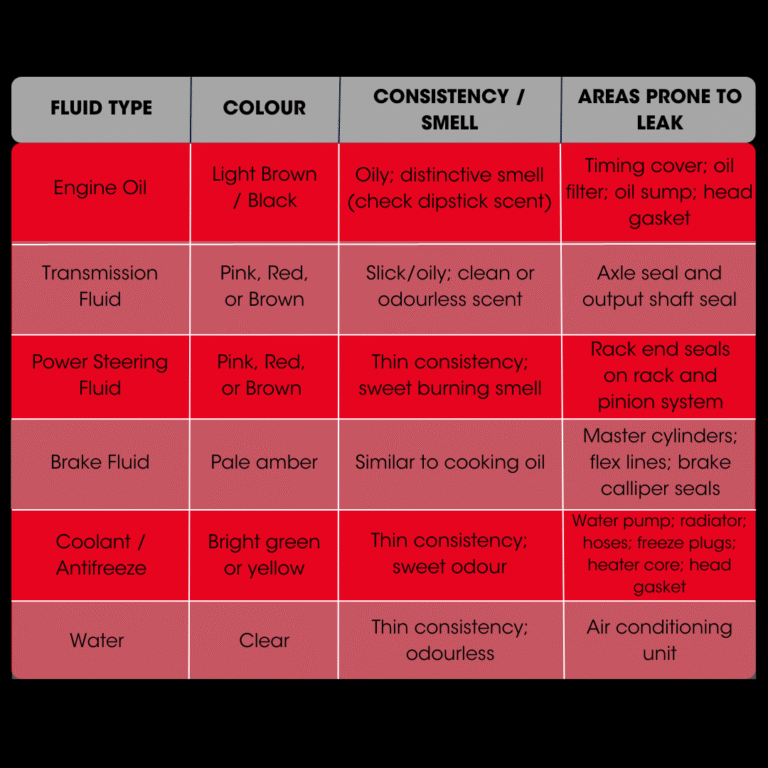
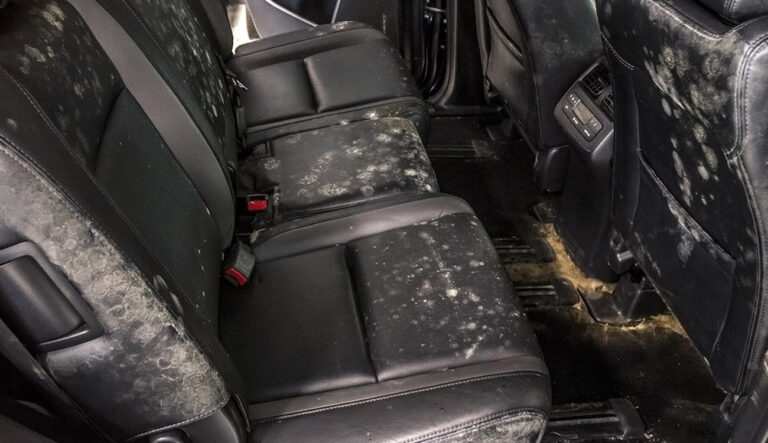
If your car smells musty or damp, you may have a mold or mildew problem. These odors are often caused by water leaks, wet carpets, or blocked AC drains.
Find The Moisture Source
Check for wet carpets, trunk, or spare tire area. Look under floor mats and in hidden corners. If you find wet spots, dry them as soon as possible.
Dry Out The Interior
Use a wet-dry vacuum to pull out as much water as possible. Open the doors and windows on a dry, sunny day. A small fan or portable heater can help speed up drying.
Kill Mold With Vinegar
Mix equal parts of white vinegar and water in a spray bottle. Spray on affected areas, let it sit, and then wipe clean. Vinegar kills most types of mold and neutralizes musty smells.
Fix Water Leaks
If you find water inside, check door seals, sunroof drains, and window seals. Clogged AC drains can also cause leaks. Fix these problems to prevent the smell from coming back.
Remove Cigarette Smoke Odors
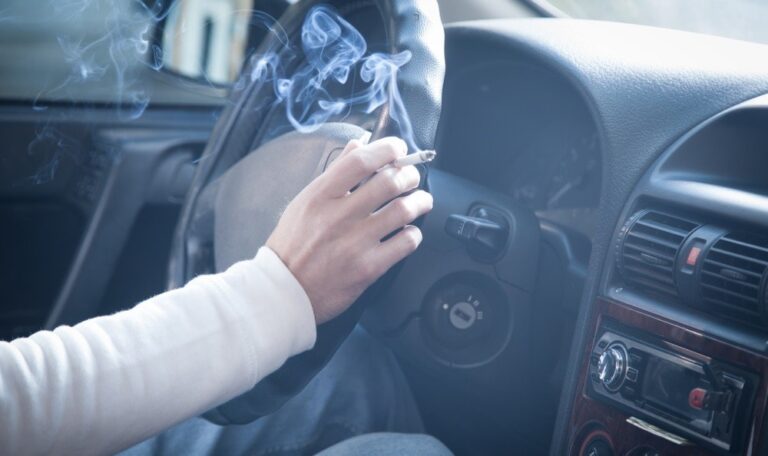
Cigarette smoke is one of the hardest smells to remove from a car because it soaks into everything.
Clean Surfaces Thoroughly
Wipe all surfaces with a 50/50 mix of vinegar and water, or use a special smoke odor remover. Pay attention to the ceiling (headliner), as smoke rises and collects there.
Shampoo Upholstery And Carpets
Use a steam cleaner or rent an extractor for deep cleaning. This is much more effective than just spraying fresheners.
Replace Cabin Air Filter
As mentioned earlier, smoke particles get trapped in the cabin air filter and continue to circulate if not replaced.
Use An Ozone Generator
For heavy smoke smells, an ozone treatment may be necessary. Many professional detailers offer this service if you don’t want to buy a machine.
Handle Pet And Vomit Odors
Pets and motion sickness can leave behind strong, lingering odors.
Clean Up Accidents Immediately
Blot up any liquids with paper towels. Use an enzyme cleaner to break down organic material and prevent stains and smells.
Wash Pet Bedding And Accessories
If your pet travels with a blanket or toy, wash these items often. They can hold onto odors and transfer them back to the car.
Vacuum Frequently
Pet hair traps smells. Use a vacuum with a HEPA filter to remove hair and dander from seats, carpets, and hard-to-reach places.
Use Preventive Measures
Once your car is clean, take steps to keep it smelling fresh.
Don’t Eat In The Car
Food spills and crumbs are the most common cause of bad smells. Try to avoid eating in your car, especially messy foods.
Keep Windows Slightly Open
If safe, leave windows open a crack when parked to allow fresh air to circulate. This helps prevent stuffiness and musty odors.
Use Air Fresheners With Care
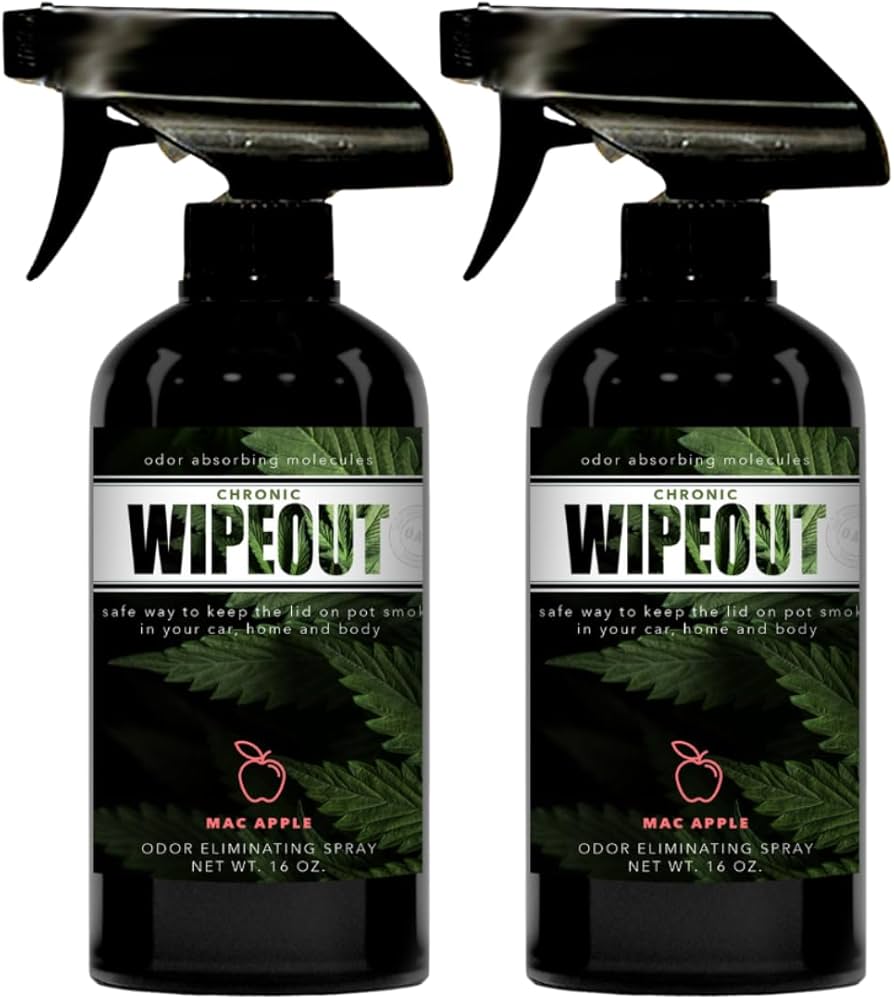
Choose air fresheners that absorb odors rather than just cover them. Products with activated charcoal or baking soda work better than strong perfumes, which can mix with bad smells and make them worse.
Regular Cleaning Routine
Vacuum the interior and wipe surfaces every week. Wash floor mats monthly. Small efforts prevent big problems later.
Compare Odor Removal Methods
To help you choose the best method for your car, here is a comparison of popular odor removal techniques:
| Method | Best For | Pros | Cons |
|---|---|---|---|
| Baking Soda | Food, general odors | Cheap, easy, safe | Less effective for strong odors |
| Enzyme Cleaner | Pet, vomit, organic stains | Breaks down odor source | May require multiple applications |
| Ozone Generator | Smoke, mold, persistent odors | Very powerful, long-lasting | Needs caution, not for home use without instructions |
| Activated Charcoal | All-around odor absorption | No chemicals, reusable | Slow acting |
Common Mistakes To Avoid
Many people try to fix car smells but make mistakes that allow the odor to return. Here are some pitfalls:
- Only using air fresheners. These mask, not solve, the problem.
- Ignoring the cabin air filter. This small part makes a big difference.
- Forgetting the trunk. Smells often hide here.
- Using too much water during cleaning. This can cause mold.
- Not drying the car fully after cleaning spills.
- Delaying cleanup after spills or pet accidents.
Signs Your Car Needs Professional Help
Sometimes, home cleaning is not enough. Consider a professional detailer if:
- The smell returns quickly after cleaning
- There is visible mold or mildew that you cannot remove
- Water leaks you cannot find or fix
- You have tried ozone or enzyme treatments without success
Professional services have heavy-duty extractors, specialized chemicals, and experience with tough problems. They can also check for leaks or issues you may not spot yourself.
Data: Most Common Car Odor Sources
Understanding where most car smells come from helps you prevent them. Here’s a breakdown based on recent auto service surveys:
| Odor Source | Percentage (%) |
|---|---|
| Food/Drink Spills | 31 |
| Mold/Mildew | 24 |
| Cigarette Smoke | 18 |
| Pets | 15 |
| Other (trash, chemicals, etc.) | 12 |
This shows why quick cleanup and regular maintenance are so important.

Expert Tips For Long-term Freshness
Here are some non-obvious tips that even experienced car owners sometimes miss:
- Park in the sun after cleaning: UV rays help kill bacteria and dry out damp spots. Just don’t leave the car too long in very hot weather to avoid damage.
- Check under the spare tire: Water often collects here after rain or car washes, causing hidden smells.
- Use a portable dehumidifier: If you live in a humid area, a small car dehumidifier can prevent mold and musty smells.
- Keep a small trash bag in the car: Regularly empty it to avoid build-up of smelly items.
- Avoid using heavy perfumes: These can mix with bad odors and make the problem worse.
When To Replace Car Interior Parts
In rare cases, odors are so deep that you need to replace parts. Consider new floor mats, seat covers, or a new cabin air filter if:
- Smells remain after all cleaning steps
- There’s mold that cannot be removed
- The old material is damaged or soaked
While this costs more, it can save you time and frustration.
Professional Vs Diy: Cost Comparison
Let’s compare the average costs for DIY cleaning and professional detailing:
| Service | DIY Cost (USD) | Professional Cost (USD) |
|---|---|---|
| Basic Interior Cleaning | 15–50 | 100–200 |
| Ozone Treatment | 80–150 (machine purchase) | 50–100 (per treatment) |
| Carpet/Upholstery Shampoo | 10–30 | 80–150 |
| Cabin Air Filter Replacement | 10–25 | 40–90 |
While DIY is cheaper, professionals offer convenience and may have better results for stubborn problems.
Frequently Asked Questions
What Is The Fastest Way To Get Rid Of Bad Smell In A Car?
Remove the source of the smell, vacuum the interior, and use odor-neutralizing products like baking soda or enzyme cleaners. For very strong odors, an ozone generator is fastest, but use it carefully.
Can I Use Vinegar To Remove Car Odors?
Yes, white vinegar is effective for neutralizing many smells, especially musty or moldy odors. Mix it with water and spray on affected areas, then wipe clean. Do not use too much, as vinegar itself has a strong scent that fades after drying.
How Long Does It Take To Remove A Persistent Smell From A Car?
The time depends on the source and strength of the odor. Simple odors may go away in a day with cleaning and baking soda. Stronger smells like smoke or mold may take several days and multiple treatments.
Is It Safe To Use Ozone Generators In Cars?
Ozone generators are safe if used correctly. Never stay in the car while running it, and air out the vehicle afterward. Overuse can damage rubber or fabrics, so follow product instructions carefully. For more details, read this Wikipedia guide.
Why Does The Smell Come Back After Cleaning?
If the odor source is not fully removed, or if moisture remains, the smell can return. Also, a dirty cabin air filter or mold in the AC system can keep spreading the odor. Always dry all areas fully and replace filters if needed.
A fresh-smelling car is possible for everyone, no matter how tough the odor. With careful cleaning, odor neutralization, and smart prevention, you can enjoy every drive—without holding your breath.
One Comment
Comments are closed.