If you’re looking for how to get rid of fuse burning smell in your car, start by locating and inspecting the blown fuse. Replace it with the correct amperage fuse and check for any underlying electrical issues to prevent recurrence. Next, ventilate your car by opening windows and running the AC or fan. To remove lingering odor, wipe surfaces with a mixture of water and mild detergent or use an odor eliminator spray designed for vehicles. Always address the source—smell removal alone won’t fix the electrical problem.
How to Identify and Fix the Electrical Issue
Once the vehicle is confirmed safe or the fault has been repaired by a professional, you can use these tools to ensure the electrical system is secure.
Task Recommended Tools/Products Purpose Diagnostics Digital Multimeter To test for continuity and locate the short circuit within the wiring. Replacement Automotive Fuse Assortment To replace the blown fuse after the short has been fixed. Wiring Repair Heat Shrink Tubing Kit To safely insulate exposed or frayed wires and prevent further shorts. Cleaning Ozone Generator To neutralize deep-seated burnt plastic odors in the cabin after repairs.
Safely stop, cut power, find the hot circuit, repair wiring, replace damaged parts.
If a sharp, hot, plastic-like odor hits your nose, do not ignore it. I’ve diagnosed dozens of these cases in the shop, and the root cause is almost never “just a fuse.” This guide explains how to get rid of fuse burning smell in car the right way. You’ll learn what the smell means, how to stay safe, how to trace the fault, and how to fix and prevent it.
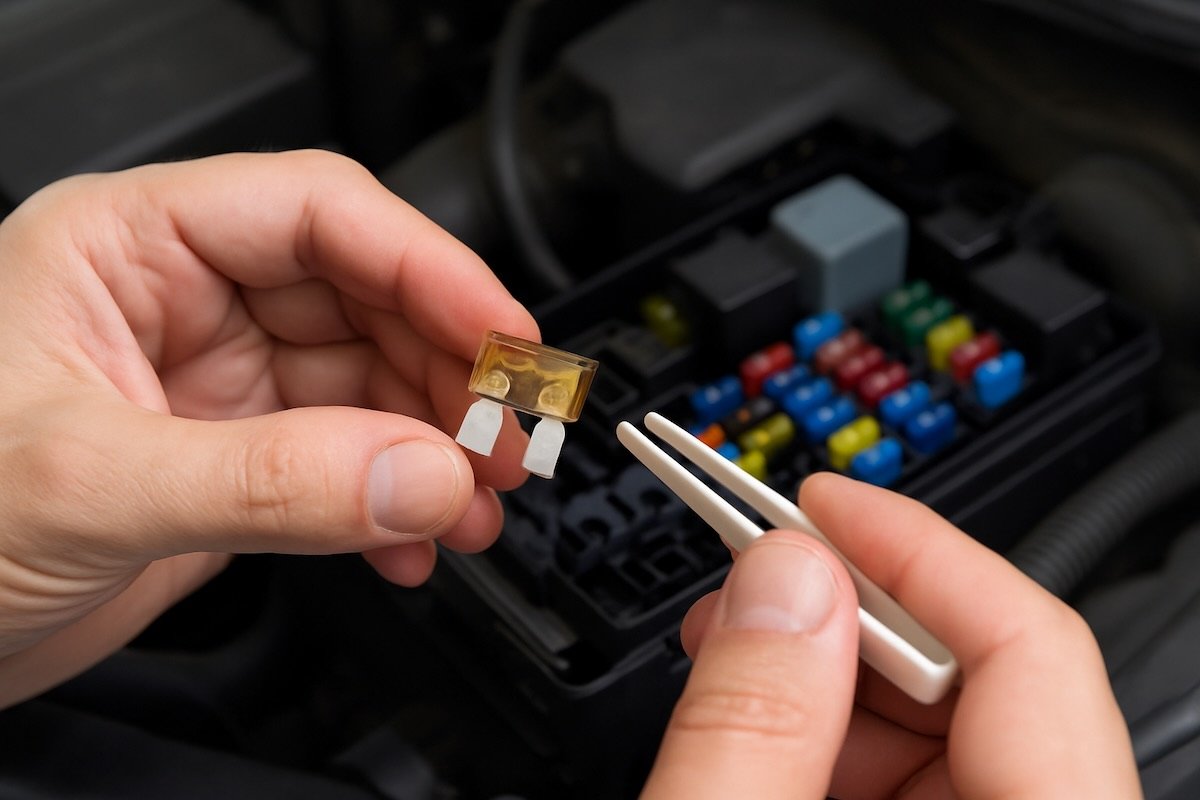
What the burning fuse smell really means
A fuse is a safety device. It should open before wires overheat. If you smell a burning fuse, the heat likely comes from a bad connection, a short, or an overloaded circuit near the fuse or in the wiring downstream.
Common signs and sources:
- Burning plastic or sweet electrical odor points to melting wire insulation or connectors.
- Ozone or hot dust smell points to arcing at a relay, switch, or motor brushes.
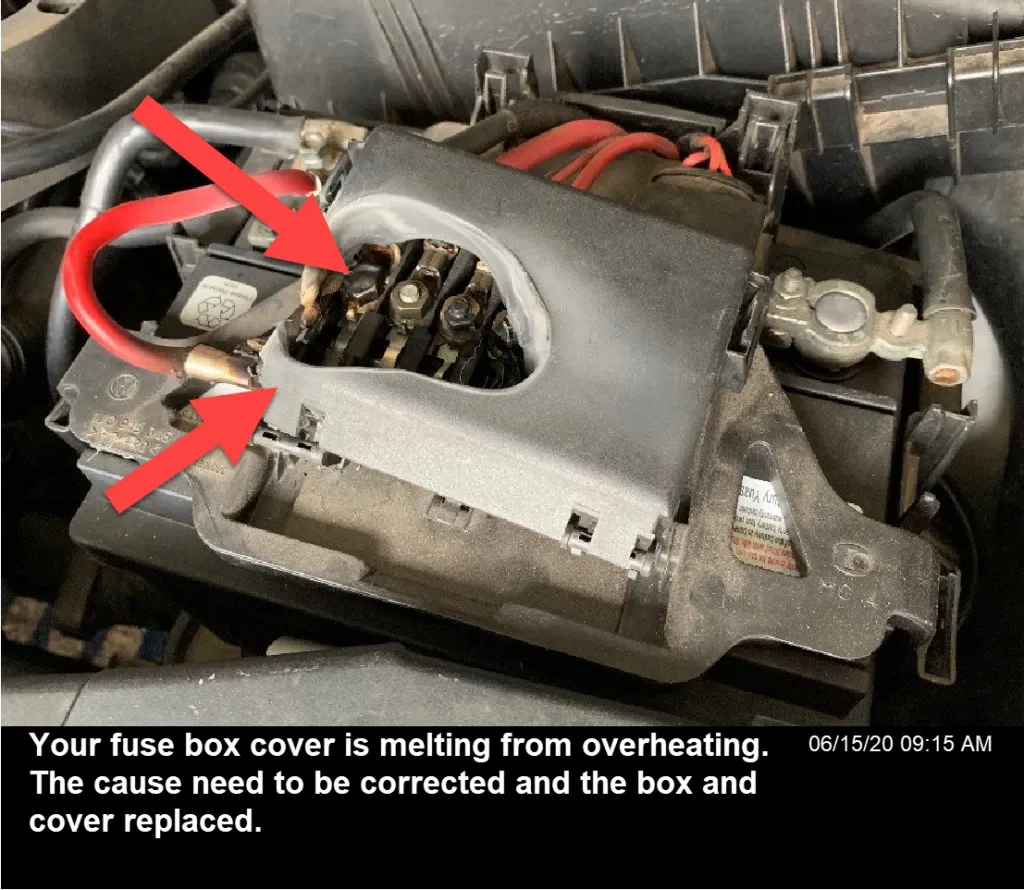
- Heat at the fuse box can come from a loose fuse, corrosion, or a high-resistance clip.
Circuits that often overheat:
- Blower motor and resistor, especially on high fan speed.
- 12V accessory socket, USB hubs, or inverter draw.
- Headlights, fog lights, or trailer wiring with poor grounds.
- Heated seats, power windows, and aftermarket audio or dashcams spliced into the wrong fuse.
Knowing what the odor means is step one in how to get rid of fuse burning smell in car. It tells you where to look and what to avoid until you fix it.
Safety first: what to do the moment you smell it
Act fast. Heat damage can turn into a small fire in minutes.
Immediate steps:
- Pull over in a safe spot and switch off the HVAC fan, radio, and add-ons.
- Look for smoke. If you see it, shut the engine off at once.
- Pop the hood. Do a quick visual check of the under-hood fuse box and battery area.
- Disconnect the negative battery cable if the smell is strong or you see melting.
- Keep a small ABC extinguisher handy. Never use water on an electrical fire.
- If the smell stays strong, arrange a tow. Do not drive.
These steps lower risk while you plan how to get rid of fuse burning smell in car without making damage worse.
.png)
How to Get Rid of Electrical Burning Smell in Car – Causes & 7 Easy Steps To Fixes
Quick actions that may stop the smell now
You can often halt the odor before the deep repair.
Try this:
- Remove the fuse for the suspected circuit. This stops power to the load.
- Let the area cool for 10 minutes. Heat breaks down plastic fast.
- Do not replace a blown fuse more than once. Repeated blows mean an active fault.
- Avoid using the failing accessory until it is fixed for real.
These moves are not the final fix. But they buy time and can keep costs down.
How to get rid of fuse burning smell in car: a diagnostic roadmap
You need a plan. This simple flow works in most cars.
Step 1: Confirm the circuit
- Check the fuse diagram on the panel cover or owner’s manual.
- Note which fuse feels hot or shows discoloration.
- If the fuse is intact but hot, suspect high resistance at the fuse clip or a high draw downstream.
Step 2: Inspect where heat lives
- Look for browned plastic, warped fuse covers, or green/white corrosion.
- Wiggle each fuse and relay gently. Loose equals heat.
- Open trim panels near the smell. Check connectors behind the glove box and under the dash.
Step 3: Check common culprits by symptom
- Smell grows with fan speed: blower motor, resistor pack, or harness.
- Smell when charging phones: 12V socket wiring or cheap adapters.
- Smell after rain: water-intrusion at A-pillar, cabin fuse box, or kick panel harness.
- Smell with headlights: old headlight connectors or weak ground near radiator support.
Step 4: Test, don’t guess
- Use a multimeter. With battery disconnected, check continuity to ground for shorts.
- With the circuit active, use a clamp meter to measure current draw versus the fuse rating.
- Feel for hot spots. An infrared thermometer is great and safe.
- Scan for codes. HVAC, body control, or lighting modules may log overcurrent or motor faults.
Step 5: Fix the root cause
- Clean or replace melted connectors and terminals.
- Crimp new terminals with the proper tool; avoid twist-and-tape repairs.
- Replace damaged wire with same gauge and insulation rating. Use heat-shrink.
- Replace failed components: blower motor, resistor, relay, or socket as needed.
- Fit a fresh fuse of the correct amperage only.
This roadmap shows how to get rid of fuse burning smell in car in a structured, safe way. Follow it, and you fix the cause, not the symptom.

Step-by-step repair examples from the shop
Here are real cases that mirror what I see most weeks.
Blower motor resistor meltdown
- Symptom: Strong hot plastic smell on high fan. Sometimes smoke at passenger footwell.
- Fix: New resistor pack and pigtail connector. Clean debris from cabin air intake. Often a new blower motor too if bearings drag.
- Tip: A dragging motor draws more amps, which cooks the resistor and connector.
Aftermarket dashcam fused wrong
- Symptom: Odor near mirror or A-pillar. Fuse tap piggybacked on airbag or wiper circuit.
- Fix: Move the tap to an accessory circuit, add an inline fuse, and tidy the ground point.
- Tip: Poor grounds and wrong taps cause heat and noise on shared circuits.
Loose fuse box terminal
- Symptom: One fuse runs hot to the touch. No blown fuse.
- Fix: Replace the female terminal in the fuse block or the block itself. Clean oxidation.
- Tip: High resistance equals heat. Even with normal current, a loose clip burns.
Trailer wiring short
- Symptom: Smell when braking or signaling. Fuses blow on turns.
- Fix: Repair chafed harness near hitch, add proper grommets and loom, reseal grounds.
- Tip: Moisture and road salt attack trailer connectors first.
Each shows how to get rid of fuse burning smell in car by solving the electrical fault and the heat-damaged parts together.
How to Get Rid of Dirty AC Evaporator Smell in Car? – Quick Fixes and Long-Term Solutions
Clean up the lingering odor
Once the fault is fixed, clear the smell from the cabin.
Do this:
- Air out the car with doors open for 20 minutes in a safe place.
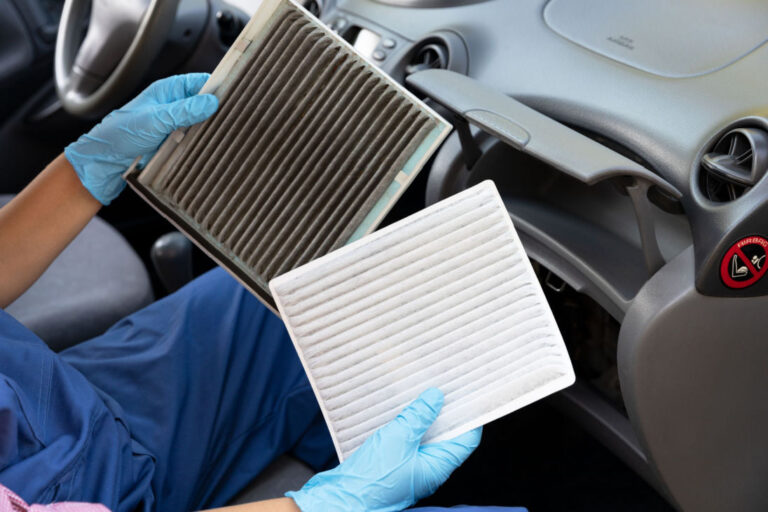
- Replace the cabin air filter. Burnt odors cling to it.
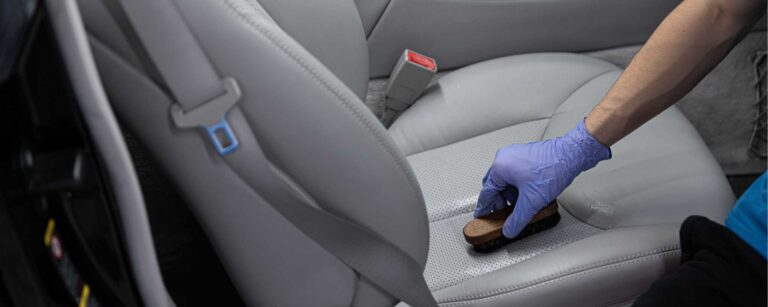
- Wipe hard surfaces with a mild APC and a damp microfiber. Avoid soaking switches.
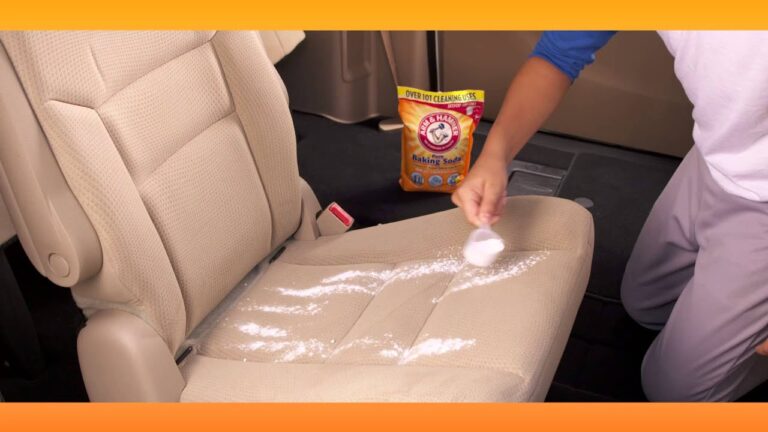
- Place charcoal bags or baking soda overnight to absorb odor.
- If needed, run an ozone treatment briefly, then vent well. Follow device safety rules.
These steps remove residue so the cabin feels normal again.
Costs, tools, and realistic timelines
Typical tools
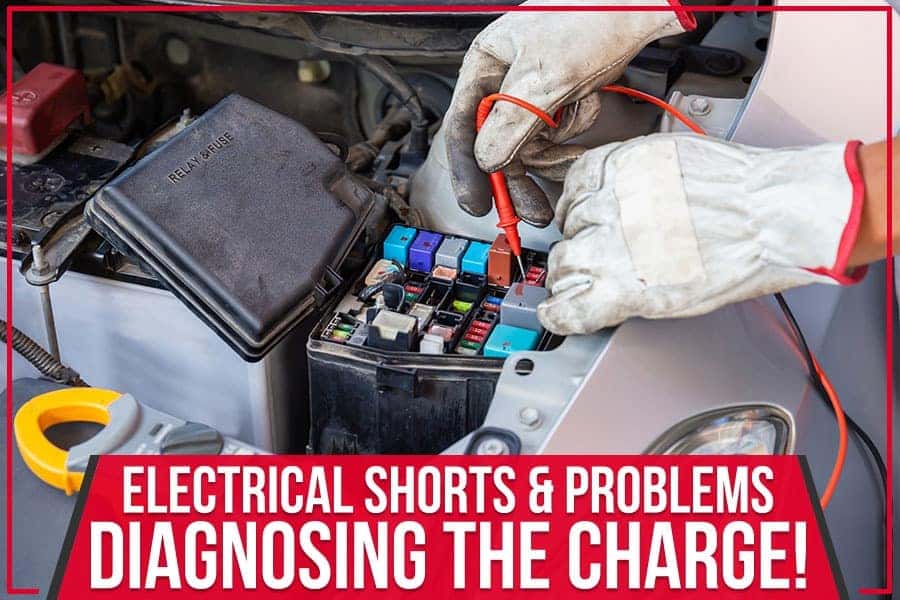
- Multimeter, test light, and clamp ammeter.
- Trim tools, terminal release tools, and quality crimpers.
- Heat-shrink tubing, proper gauge wire, contact cleaner, dielectric grease.
Typical costs
- Fuses, terminals, loom: low cost.
- Resistor pack or relay: low to moderate.
- Blower motor, socket assemblies, or fuse block repair: moderate.
- Harness repair or module replacement: higher, labor heavy.
Time estimate
- Simple connector cleanup: under an hour.
- Component swap and pigtail repair: 1–2 hours.
- Harness tracing and water-intrusion fixes: 3–5 hours.
Knowing these ranges helps you plan how to get rid of fuse burning smell in car without surprises.
When to call a professional
Call a pro if you see melted wiring across multiple branches, corrosion inside the fuse box, or repeated fuse blows after a basic repair. Hybrids and EVs need extra care; avoid any orange high-voltage cables and contact a trained technician.
You should also seek help when the smell returns under load but tests look normal. A shop with a thermal camera, current probe, wiring diagrams, and OEM service data can save you hours. That is often the fastest path for how to get rid of fuse burning smell in car.
Quick answers to common “why” checks
Here are fast PAA-style answers you can use during diagnosis.
Why does my car smell like burning plastic when the fan is on?
The blower motor or resistor may be overheating, or debris on the heater core is scorching. Inspect the resistor pack and motor, and replace the cabin filter.
Is it safe to drive with a burning electrical smell?
No. Heat damage can escalate fast. Pull over, cut power to suspect circuits, and inspect before driving further.
Can a bad fuse itself cause a smell?
Rarely. The smell is usually from loose contacts or overheated wiring near the fuse. Replace worn terminals and repair the root cause, not just the fuse.
Using these checks supports how to get rid of fuse burning smell in car without guesswork.
Frequently Asked Questions of how to get rid of fuse burning smell in car
How do I find the exact fuse or circuit causing the smell?
Touch fuses with care after cooling and look for heat marks. Use the fuse diagram, a multimeter, and current measurements to confirm the suspect circuit.
Should I use a higher amp fuse to stop it from blowing?
Never. A higher amp fuse can let wires overheat and start a fire. Always fix the cause and match the factory rating.
Can moisture cause a fuse burning smell?
Yes. Water can corrode terminals and create high resistance, which makes heat. Check kick panels, windshield seals, and trailer connectors for leaks.
Will replacing the cabin air filter remove the odor?
It helps a lot if the smell lingers in the ductwork. Replace the filter and clean vents, but only after fixing the electrical fault.
How much does it cost to get rid of fuse burning smell in car?
Basic repairs can be inexpensive, like terminals and a resistor pack. Complex wiring or a fuse box replacement costs more due to labor.
What if the smell only happens at night with headlights on?
Suspect headlight connectors, a weak ground, or a high-draw bulb. Inspect connectors for browning and repair grounds.
Can an old phone charger cause this smell?
Yes. Cheap chargers can overheat the 12V socket and wiring. Replace the charger and inspect the socket for damage.
Conclusion
A burning fuse smell is your car’s way of asking for help. Act fast, cut power, trace the hot circuit, and repair the real fault. Then clean residual odors and make smart upgrades so it does not return.
If you are ready, follow the roadmap above and start with the easiest checks today. Want more tips like this? Subscribe for step-by-step guides, or drop a comment with your exact symptoms, and I’ll help you plan how to get rid of fuse burning smell in car the right way.

One Comment
Comments are closed.