To get rid of a coolant smell in your car, first identify and fix the source of the leak, as the sweet odor usually indicates escaping antifreeze. Common causes include a leaking heater core, loose hose connections, or a damaged radiator cap. After repairing the issue, clean any spilled coolant from carpets or engine components using mild soap and water, and allow the area to dry thoroughly. Eliminating the leak and properly cleaning affected areas will remove the smell and prevent further engine problems.
Seal the System (The Quick Fix)
If the leak is in your radiator or heater core (the reason for the smell inside the car), a specialized sealant can save you a $1,000 mechanic bill.
Recommended Product Best For… Why it Works K-Seal ST5501 Multi-Purpose Head Gaskets & Blocks Mixes with all coolant types; permanent repair. Bar’s Leaks Liquid Aluminum Radiators & Heater Cores Contains conditioning additives to stop the “syrup” smell. J-B Weld Radiator Repair Exterior Cracks Best for visible cracks on plastic radiator tanks.
That sweet, syrup-like smell is a red flag from your car. I’ve diagnosed hundreds of coolant odor cases in daily drivers and performance cars. In this guide, I’ll show you how to get rid of coolant smell in car the right way. We’ll cover fast checks, reliable fixes, and how to clear the odor for good without masking it.
How To Get Rid Of Catalytic Converter Smell In Car? – Causes & Easy Fixes
What that sweet coolant smell means and why it matters
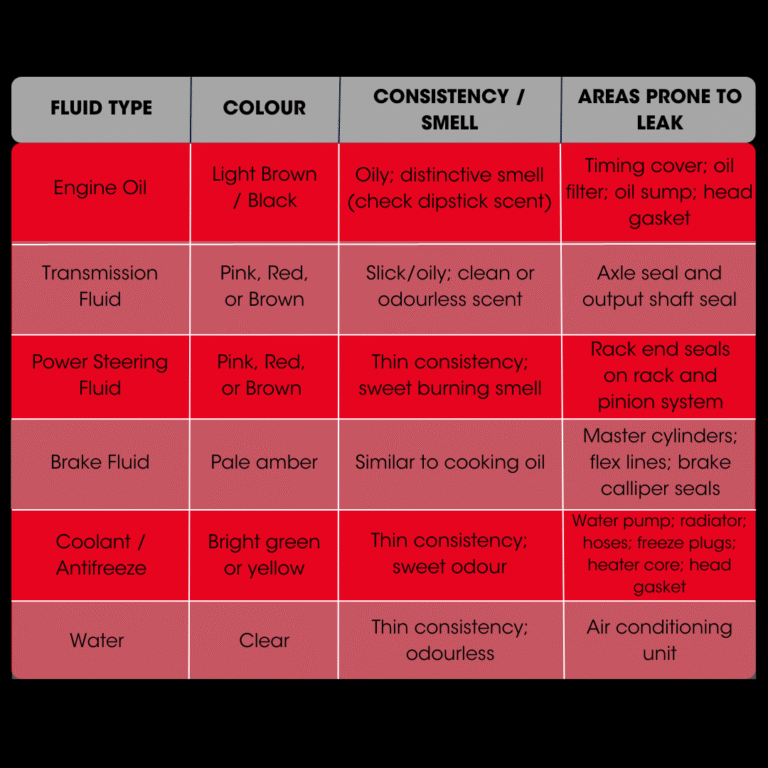
Coolant smells sweet because of glycol. If you smell it in or around the car, you likely have a leak. It might be small. But any leak can get worse fast.
Breathing coolant mist is not good for you. Pets may be drawn to spills. Coolant can also corrode parts, ruin sensors, and fog your windshield. If you want to know how to get rid of coolant smell in car for good, you must fix the source, not just the smell.
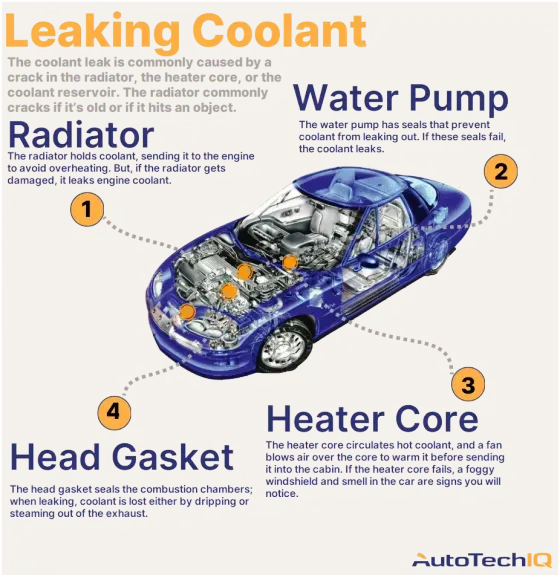
Common sources include:
- Hose leaks where clamps loosen with age
- Cracked plastic tanks on radiators or reservoirs
- Failing water pumps that weep at the seal
- Heater core leaks that send odor through the vents
- Loose or wrong radiator cap that lets vapor escape
I’ve seen all of these in the shop. The faster you act, the cheaper the fix.
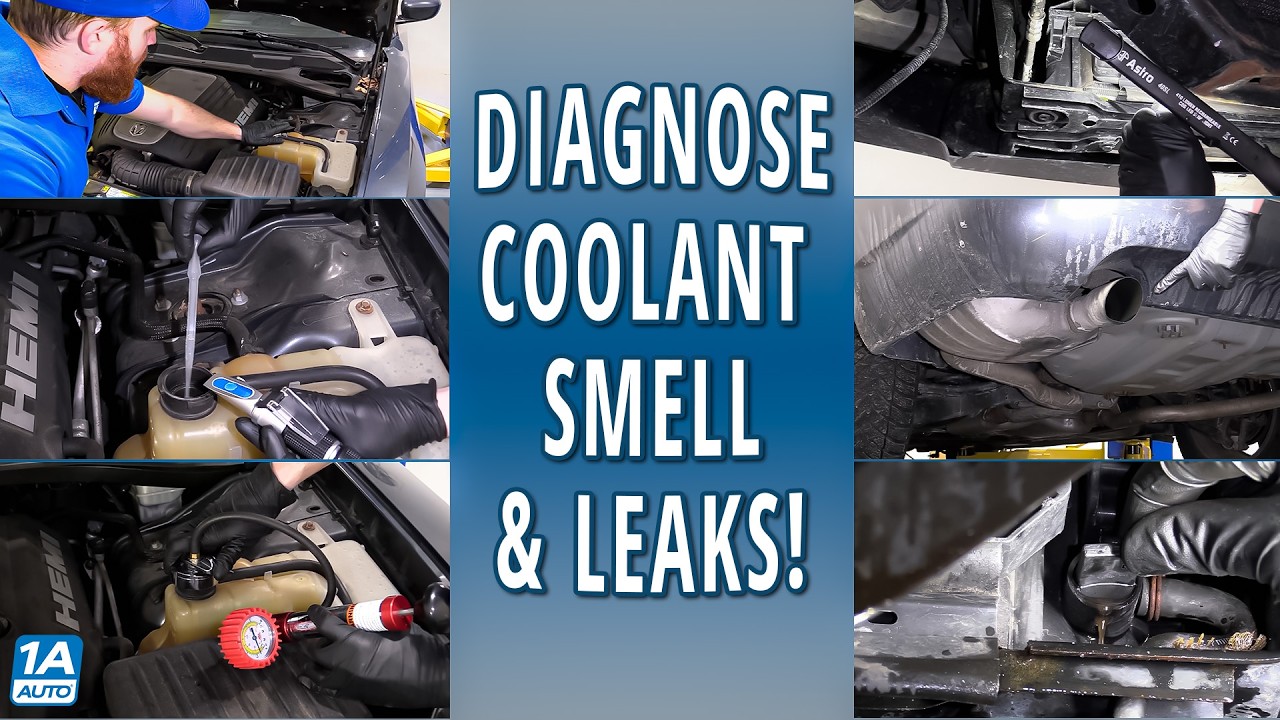
Symptoms checklist before you start
Use this quick screen to focus your search.
- Smell in the cabin only: Suspect heater core, heater hoses, or HVAC drain.
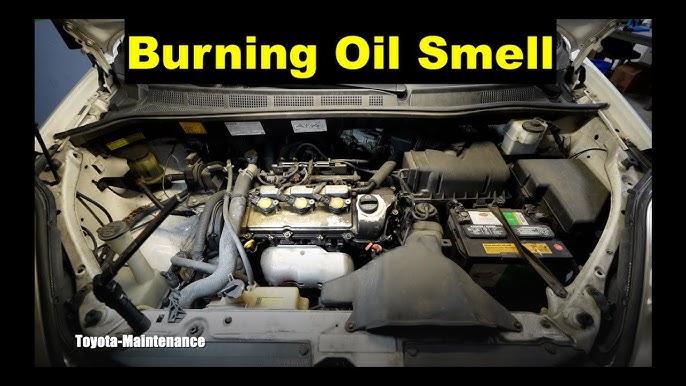
- Smell under the hood: Check reservoir, radiator, cap, hoses, and water pump.
- Smell after shutdown: Look for seepage as the system cools and pressure drops.
- Wet passenger floor or greasy film on glass: Classic heater core hint.
- Low coolant level or frequent top-offs: There is a leak somewhere.
Pro tip from experience: A tiny white or green crust near a clamp is a dried coolant trail. That tiny crust is your breadcrumb.
How to Get Rid of Sulfur Smell in Car?– Causes & Simple Fixes
Step-by-step: how to get rid of coolant smell in car
You will fix the leak, restore the system, then clear the odor. Here is the path I use in the bay.
- Confirm coolant level
- Check the reservoir when the engine is cold.
- If low, note it. Do not top off yet. You want to trace the leak first.
- Pressure test the system
- Use a cooling system pressure tester. Pressurize to cap rating.
- Watch for drips, misting, or damp spots. Look under the car too.
- If pressure drops and you see no leak, check inside for a heater core issue.
- Inspect top offenders
- Radiator cap: Look for torn seals or wrong pressure rating.
- Hoses and clamps: Squeeze gently. Soft, swollen, or cracked? Replace.
- Reservoir and radiator: Hairline cracks often show as white streaks.
- Water pump: Look for dry coolant at the weep hole or on the belt drive.
- Heater core: Sweet smell from vents, fogged windows, or a wet carpet.
- Fix what you find
- Replace worn parts. Use new clamps with new hoses.
- Torque to spec. Over-tightening can crush plastic necks.
- Refill and bleed air
- Use the right coolant type and a 50/50 mix unless your manual says different.
- Open bleeder screws if fitted. Idle with heat on high. Squeeze upper hose to burp air.
- Keep an eye on temp and fans. Top off as needed.
- Clean and deodorize
- Engine bay: Rinse dried coolant off with low-pressure water when cool.
- Cabin: If the heater core leaked, clean the carpet padding or replace it.
- Recheck after a drive
- Let the car cool and recheck level.
- If the smell lingers, look again for a small seep you missed.
Two quick PAA-style answers:
- Is it safe to drive with a coolant smell? Short drives may be okay if temps are stable, but you risk overheating. Fix it soon.
- Will a stop-leak product help? It can buy time in an old car, but it may clog small passages. A real repair is best.
I use this exact order because it saves time. It also ensures the odor does not come back in a week.

Fixes for the most common leak points
Here are the fixes I apply most often, with shop-tested tips.
Radiator or reservoir cap
- Symptom: Hiss after shutdown, damp neck, sweet odor under hood.
- Fix: Match OEM pressure rating. Replace the cap and clean the neck.
Hoses and clamps
- Symptom: Dried crust at ends, soft spots, or hairline cracks.
- Fix: Replace hose and use quality worm-drive or spring clamps. Place clamps behind the bead, not on it.
Radiator end tanks
- Symptom: White trails on plastic seam, slow coolant loss.
- Fix: Replace the radiator. Plastic tank repairs rarely last.
Water pump
- Symptom: Drip or crust at the weep hole, chirp from belt, hot smell.
- Fix: Replace the pump and gasket. Inspect the belt and tensioner.
Heater core
- Symptom: Sweet smell from vents, oily film on glass, wet passenger floor.
- Fix: Replace the core. Flush HVAC box. Clean or replace the cabin filter. Dry the carpet padding fully.
Safety note: Coolant is toxic. Wear gloves. Keep pets away from spills. Dispose of waste fluid at a recycling center.
If you want to learn how to get rid of coolant smell in car without repeat visits to the shop, focus on real fixes. Don’t rely on sprays that hide the smell.
After the repair: remove odor from cabin and engine bay
You beat the leak. Now clear the smell.
- Clean the engine bay: With the engine cool, mist the area and brush off dried coolant. Rinse lightly.
- HVAC refresh: Run the heat on high with outside air for 10 minutes. Then run AC. This cycles airflow and dries the core.
- Cabin filter: Replace it if the heater core leaked or if the filter is damp.
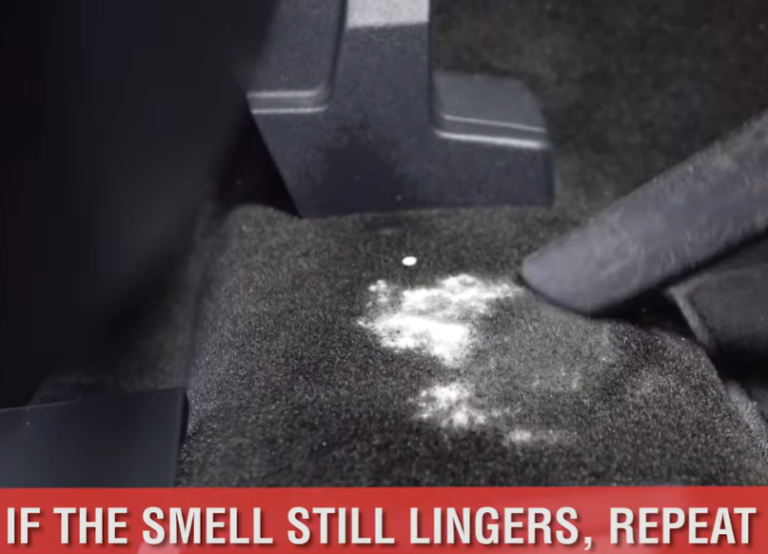
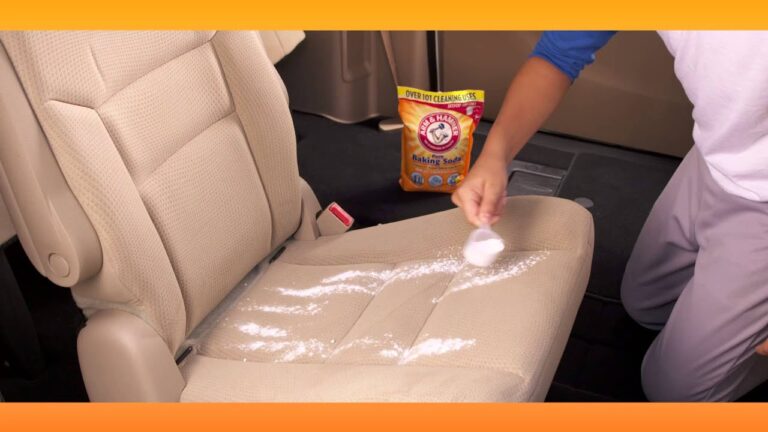
- Carpets and padding: Use an extractor or wet vac with warm water and mild cleaner. If padding soaked through, replace it.
- Odor neutralizers: Use enzyme or glycol-targeting cleaners. Avoid heavy perfumes.
Shop story: I once chased a “phantom” smell for a week. The leak was fixed, but the customer’s carpet foam had soaked up coolant like a sponge. New foam, smell gone in a day.
To be safe and complete with how to get rid of coolant smell in car, always treat the HVAC and soft materials after a leak.

Prevent future coolant smells: maintenance that pays off
A few small habits stop most repeat issues.
- Change coolant on time: Old coolant loses corrosion protection and eats seals.
- Inspect hoses each oil change: Look for bulges, cracks, or wet spots.
- Check the cap: Replace at the first sign of a weak seal.
- Watch the level: A slow drop means a small leak. Act early.
- Keep the bay clean: Dirt hides leaks. A clean bay makes issues easy to spot.
I teach customers this plan when they ask how to get rid of coolant smell in car and keep it from coming back. It works.
Costs, time, and difficulty at a glance
Real-world ranges from my shop and industry data:
- Radiator cap: 10–30 dollars, 5 minutes, easy.
- Hose and clamps: 30–120 dollars per hose, 30–60 minutes, easy to moderate.
- Radiator: 200–700 dollars plus labor, 2–4 hours, moderate.
- Water pump: 150–600 dollars plus labor, 2–5 hours, moderate to advanced.
- Heater core: 80–300 dollars plus labor, 4–10 hours, advanced. Dash removal is common.
Budget tip: Fix the smallest leak first. Recheck. Many cars have only one culprit. If your main goal is how to get rid of coolant smell in car on a tight budget, start with the cap and visible hoses before big parts.
Mistakes to avoid when learning how to get rid of coolant smell in car
These are the errors I see most.
- Masking the smell without fixing the leak: It always returns.
- Mixing coolants: Some do not play well together. Follow the manual.
- Skipping the bleed: Air pockets cause hot spots and more odor.
- Over-tightening clamps: This crushes plastic necks and starts new leaks.
- Ignoring wet carpet: It molds and keeps the smell alive.
Small, careful steps win here. This is the clean path for how to get rid of coolant smell in car with lasting results.

Frequently Asked Questions of how to get rid of coolant smell in car
Why does my car smell like maple syrup?
That sweet scent is coolant vapor. A small leak or seep is heating up and releasing the odor into the cabin or engine bay.
Can I drive if I smell coolant but the gauge looks normal?
Short trips may be okay if the level is stable. But leaks can grow fast, so fix it soon to avoid overheating.
Will heater core stop-leak fix the smell?
It might help in an old car for a short time. It can also clog small passages, so a proper repair is more reliable.
How do I know if it’s the radiator cap?
Look for dampness around the neck and cap after a drive. If the seal is torn or the cap is wrong pressure, replace it.
Why does the smell come back after I fixed the leak?
Old coolant may be in the carpet, HVAC box, or on engine parts. Clean the bay, replace the cabin filter, and dry the carpet foam.
How long until the coolant smell goes away?
If the leak is fixed and the cabin is cleaned, most smells fade in 24–72 hours. Wet padding may take longer to dry.
What coolant should I use?
Use the exact type in your owner’s manual. Mixing brands and chemistries can reduce protection and cause deposits.
Conclusion
Coolant odor is a helpful warning, not just a bad smell. Find the leak, fix it right, bleed the system, and clean the cabin and bay. That is how to get rid of coolant smell in car with results that last.
Take 15 minutes today to check your level, cap, and hoses. If you spot a crust or damp spot, act now and save money later. Want more hands-on guides like this? Subscribe for simple, step-by-step car care tips or drop your question in the comments.
One Comment
Comments are closed.