A burnt coolant smell in a car usually comes from a small coolant leak onto hot engine parts. To get rid of the odor, first locate and repair the source of the leak, such as a cracked hose, radiator, or water pump. Next, clean any spilled coolant from the engine bay and allow the area to dry completely. Ventilate the car by opening windows and running the AC or heater to clear residual fumes. Regular maintenance and promptly fixing leaks prevent the smell from recurring.
Recommended Tools to Eliminate Coolant Odors
| Product | Why It’s the Best for Coolant Smells | Key Feature |
| Chemical Guys Signature Series Degreaser | Best for the Engine. Breaks down burnt-on glycol residue safely. | Professional strength, citrus-based. |
| Meguiar’s Whole Car Air Re-Fresher | Best for the Vents. Reaches deep into the HVAC system where smells hide. | One-time use “fogger” that kills odors. |
| Biocide Systems Auto Shocker | Best for Stubborn Smells. Uses Chlorine Dioxide to destroy sweet odors. | Hospital-grade odor elimination. |
Fix the coolant leak, flush the system, clean HVAC, and deodorize the cabin.
If that burnt, sweet coolant smell makes every drive a headache, you’re in the right place. I’ve diagnosed and fixed dozens of these cases in daily drivers and project cars. This guide breaks down how to get rid of burnt coolant smell in car with clear steps, pro tips, and real-world fixes. You’ll learn what causes the odor, how to find the leak fast, what to repair, and how to clear the smell for good.
What That Burnt Coolant Smell Really Means
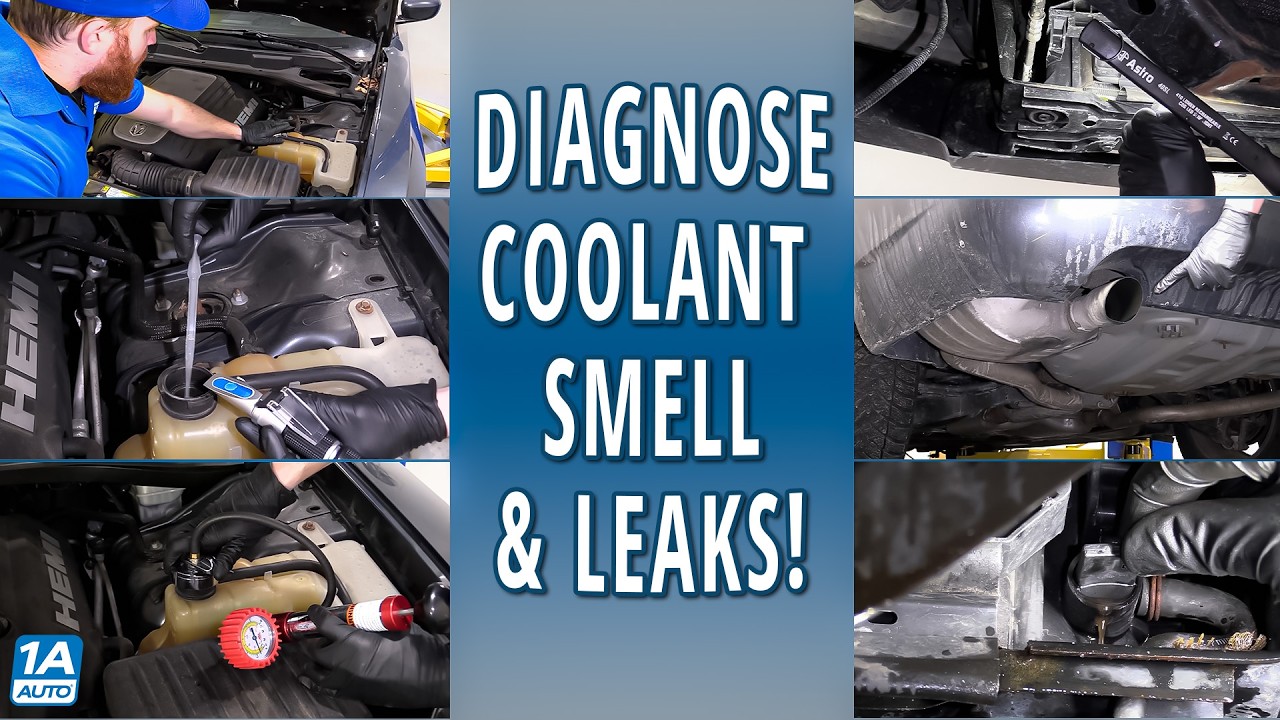
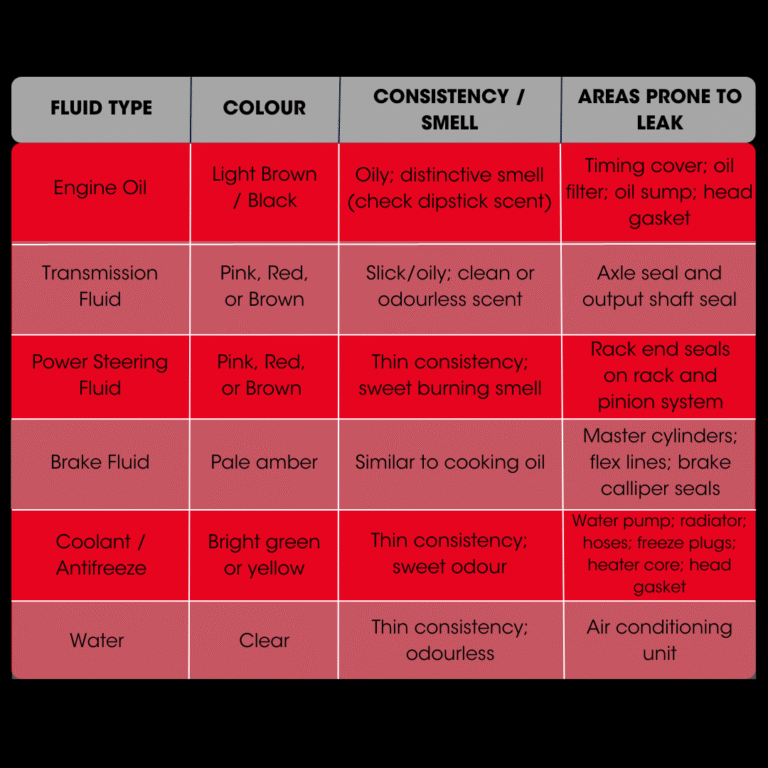
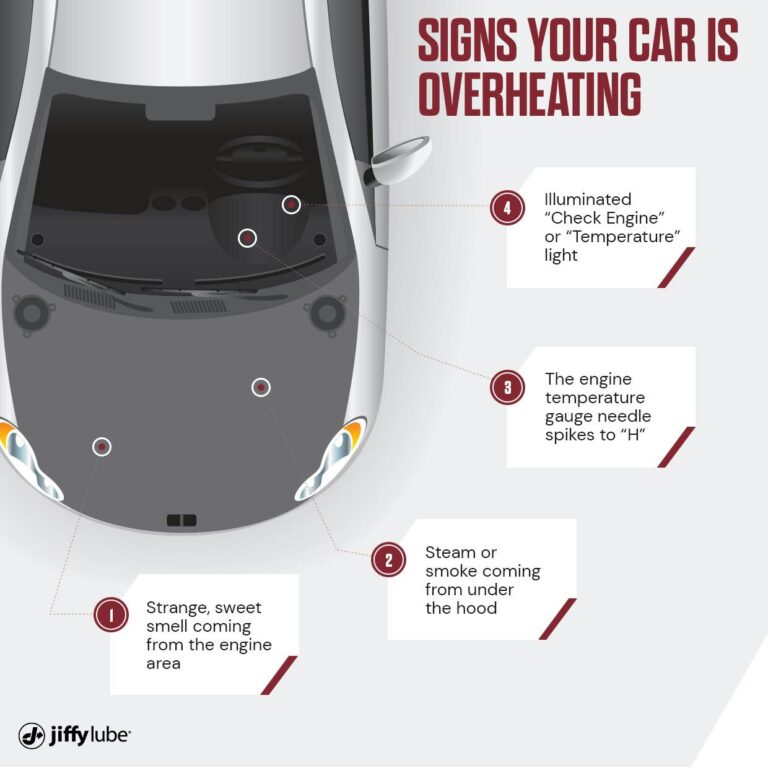
Coolant is mostly ethylene glycol or propylene glycol mixed with water. When it leaks onto hot parts like the engine, exhaust manifold, or radiator, it burns and releases a sweet, maple-syrup-like smell. If coolant reaches the HVAC system or cabin surfaces, the odor can linger for weeks.
Smell is your early warning. Even a tiny seep at the heater core, radiator cap, or hose clamp can mist coolant into the air stream. Ignore it and you risk overheating, engine damage, or coolant in the cabin. To truly get rid of it, you must stop the leak, clean the residue, and purge the HVAC of contamination.
How To Get Rid of Coolant Smell in Car? – Causes & Permanent Fixes
Safety First: Before You Start
Coolant is toxic to pets and harmful if swallowed. Work in fresh air, wear gloves and eye protection, and keep coolant off your skin. Never open a hot radiator cap. Let the engine cool fully before testing or topping up.
Dispose of old coolant at a recycling center. Do not pour it down drains or on the ground. Keep rags and absorbents away from pets, since the sweet scent can attract them.

Fast Checklist: how to get rid of burnt coolant smell in car Today
If you need a quick, practical game plan for how to get rid of burnt coolant smell in car, use this list. It covers the top causes and quick actions that work in real garages.
- Verify coolant level
- Check the coolant reservoir when the engine is cold. Low coolant suggests a leak.
- Pressure test the system
- Use a cooling-system pressure tester. Pump to cap rating and look for drips, damp spots, or a fine mist.
- Check usual leak points
- Radiator seams and plastic end tanks.
- Upper and lower radiator hoses, heater hoses, and clamps.
- Thermostat housing, intake manifold gasket areas.
- Water pump weep hole and timing cover area.
- Radiator cap seal and neck.
- Heater core lines at the firewall.
- Look for heater core clues
- Fog on the windshield with heat on.
- Wet carpet on the passenger side.
- Sweet odor strongest through vents.
- Inspect exhaust and tailpipe
- White sweet-smelling vapor after warm-up can mean a head gasket or intake gasket leak. Confirm with a combustion leak test.
- Clean residue in the engine bay
- After fixing leaks, use a degreaser on cooled surfaces. Rinse gently. Do not soak electronics.
- Reset the HVAC and cabin
- Replace the cabin air filter.
- Run the blower on fresh air, max heat, then max A/C to dry the evaporator.
- Use an HVAC-safe evaporator cleaner if needed.
- Deodorize
- Use an enzyme-based odor neutralizer on carpets and mats if they were exposed.
- Vent the cabin with windows open in a safe area.
Do these steps, and you’re already halfway through how to get rid of burnt coolant smell in car.
How To Get Rid Of Catalytic Converter Smell In Car? – Causes & Easy Fixes
Pinpoint the Source: Common Leak Points and What They Tell You
Finding the exact source makes or breaks how to get rid of burnt coolant smell in car. Use bright light, a mirror, and patience.
- Radiator and end tanks. Plastic tanks can crack from heat cycles. Look for pink, green, or orange crust.
- Hose clamps and quick-connects. A loose clamp can mist coolant that burns on hot metal.
- Radiator cap. A weak cap vents early and pushes coolant into the overflow or onto the fan shroud.
- Water pump. A drip at the weep hole means internal seal failure. Often shows up after shutdown.
- Thermostat housing and intake manifold. Old gaskets seep when cold and seal as metal expands.
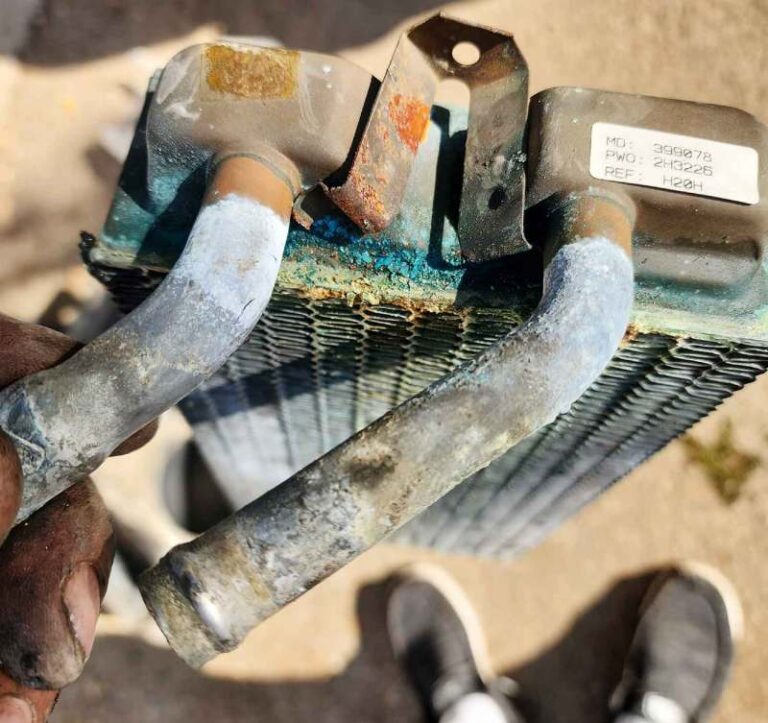
- Heater core and firewall connections. Damp carpet or oily film on glass screams heater core trouble.
- Cylinder head gasket. Sweet exhaust smell, white smoke when warm, rising overflow level, or milky oil.
If you cannot see the leak, add UV dye to the coolant and recheck under UV light after a short drive.

Fixes That Actually Remove the Smell (Not Just Mask It)
You cannot deodorize your way past an active leak. To succeed with how to get rid of burnt coolant smell in car, fix the mechanical fault first.
- Replace worn parts. Bad hoses, clamps, radiator caps, cracked radiators, or leaking water pumps need replacement. Cheap parts cause repeat smells.
- Restore the heater core. If it leaks, replace it. Bypassing is only a short-term survival move and removes cabin heat and defrost.
- Address head gasket concerns. Confirm with a block test or compression test. Early action prevents major damage.
- Flush the cooling system. Drain, fill with the right premix, run with the heater on, and bleed air. Use only the coolant type your vehicle specifies.
- Bleed properly. Trapped air pockets overheat hotspots and push coolant out. Use bleeder screws and a vacuum fill tool if available.
- Clean burned residue. Wipe and wash engine surfaces where coolant cooked on. That residue is a smell source even after the leak is fixed.
Once the leak is gone and the system is healthy, you can erase the last of the odor with HVAC and interior cleaning.
Deep-Clean and Deodorize the HVAC and Interior
Coolant vapor and mist can stick to the evaporator fins, ducts, and carpets. This is the hidden half of how to get rid of burnt coolant smell in car.
- Replace the cabin air filter. If it’s damp or sticky, bin it.
- Clean the evaporator. Use an HVAC evaporator foam cleaner through the drain or access port. Let it dwell, then drain.
- Purge the ducts. Run the blower on fresh air, windows down, heat high for 10 minutes, then A/C high for 10 minutes.
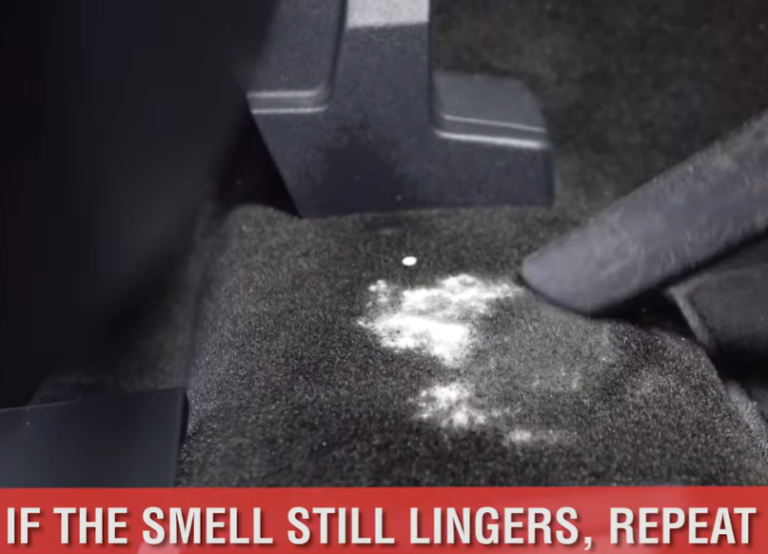
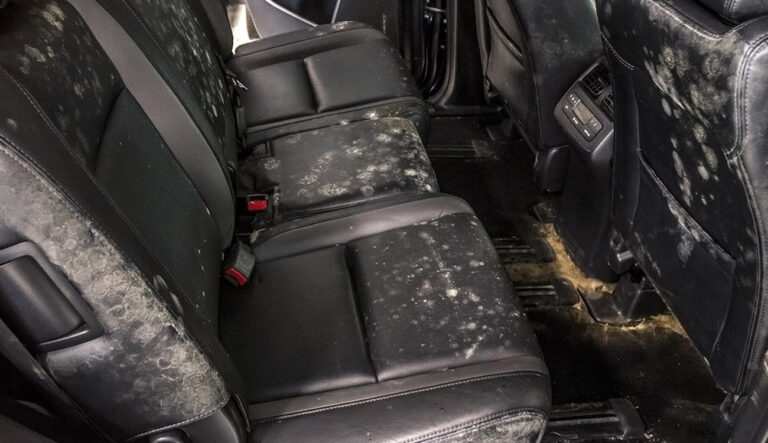
- Neutralize interior residue. If coolant soaked mats or carpet, lift them, blot with microfiber, then use an enzyme cleaner. Rinse lightly and extract moisture.
- Sun-bake and ventilate. Park in sunlight with windows cracked in a safe place to speed off-gassing.
- Avoid heavy perfumes. They mask the scent and can trap glycol odors.
If contamination was heavy, a pro-grade fogger or ozone treatment can help after all leaks are fixed and surfaces are cleaned. Use ozone with care and only in a vacant car.

After-Repair Protocol to Clear Lingering Burnt Coolant Smell
Even after repairs, a faint odor can hang around. Finish strong to master how to get rid of burnt coolant smell in car.
- Two to three heat cycles. Drive with heat on for part of each trip to dry the HVAC box.
- Vent sessions. Park, open doors, run blower on fresh air for 10 minutes.
- Moisture control. Place small desiccant packs inside overnight for a few days.
- Baking soda. Bowls of baking soda under seats overnight can absorb leftover smell.
- Recheck for seeping. After a week, scan for new crust, drops, or damp spots.
If the smell grows stronger again, you likely still have a small seep.
How to Prevent the Burnt Coolant Smell from Coming Back
Prevention locks in your win with how to get rid of burnt coolant smell in car.
- Replace the radiator cap every few years or when you flush coolant.
- Use the correct coolant chemistry and premix with distilled or deionized water.
- Inspect hoses and clamps at every oil change. Retorque spring clamps that have lost tension.
- Flush coolant per the maintenance schedule. Old coolant attacks seals and gaskets.
- Keep the engine bay clean. Coolant residue bakes and smells under heat.
A clean, tight cooling system runs cooler, smells better, and lasts longer.
Real-World Examples and Lessons Learned
- Small heater core leak. A customer had a sweet smell only with heat on. No puddles. The cabin filter was sticky. Replaced the heater core, flushed the system, cleaned the evaporator, and the smell vanished in two days. Lesson: tiny HVAC leaks make big smells.
- Water pump weep hole. Another car smelled burnt after shutoff. The pump only dripped when hot. New pump and belt, plus a bay wash, solved it. Lesson: look right after a hot soak.
- Loose clamp at thermostat housing. The clamp looked fine but was one turn loose. A mist hit the exhaust shield. Tighten, clean, done. Lesson: torque matters.
These jobs shaped my approach to how to get rid of burnt coolant smell in car: verify, test under pressure, fix the root cause, and deep-clean.
Cost, Time, and DIY vs. Pro
Budget helps you plan how to get rid of burnt coolant smell in car without surprises.
- Low cost fixes. Radiator cap, clamps, hose: 20 to 150 dollars in parts and an hour of time.
- Midrange. Water pump, radiator, thermostat: 200 to 900 dollars and 2 to 5 hours depending on access.
- Higher end. Heater core: 400 to 1,500 dollars and 4 to 10 hours because of dash work. Head gasket: varies widely, often 1,500 to 3,500 dollars or more.
DIY if you have tools, time, and a service manual. Go pro if you suspect a heater core or head gasket, or if you cannot pressure-test safely.
PAA-Style Quick Answers
Q: Is the burnt coolant smell dangerous to breathe?
A: Brief exposure is usually not serious, but it can irritate lungs and eyes. Pets are at high risk if they ingest coolant droplets.
Q: Can I drive with a burnt coolant odor?
A: Short, careful trips may be okay if the coolant level is stable. If the level drops or the temp gauge rises, stop driving.
Q: Why does the smell come through my vents?
A: A leaking heater core or firewall connection lets coolant vapor into the HVAC box. The blower then spreads it inside the cabin.
Q: Will a coolant stop-leak product fix the smell?
A: Sometimes it can slow a minor seep, but it may clog passages and is a temporary patch. Permanent repairs and cleaning work better.
Q: How long until the smell fades after repairs?
A: Light cases fade in one to three days. Heavy contamination may take a week of heat cycles and ventilation.
Frequently Asked Questions of how to get rid of burnt coolant smell in car
How do I know if the heater core is leaking?
Look for a sweet smell strongest with heat on, a foggy film on the windshield, or damp carpet on the passenger side. A pressure test can confirm the leak at the heater core.
Can a bad radiator cap cause a burnt coolant smell?
Yes. A weak cap can vent early and push coolant onto hot parts, where it burns and smells. Replacing the cap is cheap and often solves mystery odors.
What cleaner removes coolant residue best?
Use an automotive degreaser on metal surfaces and an enzyme-based cleaner on carpets. Avoid harsh solvents that can damage plastics or HVAC parts.
Will a coolant flush alone remove the smell?
A flush helps, but it will not remove residue in the engine bay or HVAC. You still need to fix leaks and clean affected areas to get full odor removal.
How often should I check for coolant leaks?
Glance at hoses, clamps, and the reservoir every oil change. Quick checks prevent big repairs and help with how to get rid of burnt coolant smell in car effectively.
Is propylene glycol coolant less smelly?
It can be less pungent than ethylene glycol, but any burned coolant creates odor. Leak-free systems are the only real solution.
Conclusion
You remove the burnt coolant smell by fixing the leak, flushing the system, and deep-cleaning the HVAC and cabin. Do the pressure test, replace bad parts, wash away residue, and run a few solid heat cycles. That is how to get rid of burnt coolant smell in car and keep it from coming back.
Take the checklist for a quick win today. If you hit a wall, book a diagnosis with a trusted shop and bring this guide. Want more practical car-care walkthroughs like how to get rid of burnt coolant smell in car? Subscribe, ask a question, or share your progress in the comments.
One Comment
Comments are closed.