Run heat on high with outside air, replace cabin filter, clean evaporator coil.
You’re not stuck with that damp, gym-sock smell. In this guide, I’ll show you how to get rid of AC mold smell in car the right way, using practical steps I use in real cars. You’ll learn causes, fixes, safe products, and a prevention routine that keeps your cabin fresh for good.
What causes that musty AC smell?
That sour, moldy scent comes from moisture on the AC evaporator. The coil gets cold when you run the AC. Warm, wet air hits it and leaves water behind. If that water sits, microbes grow and make a smell.
Common triggers include:
- Clogged AC drain that holds stagnant water under the dash.
- A dirty or damp cabin air filter that feeds mold spores.
- Short trips that never let the coil dry out.
- Always using recirculate mode, which traps humid air inside.
- Spills or wet carpets adding cabin humidity.
If you want to know how to get rid of AC mold smell in car, you must attack moisture and microbes at the source. A spray in the vents helps a little, but the fix starts at the evaporator and the drain.
How to Get Rid of Radiator Smell in Car?– Causes & Easy Fixes
Quick checklist before you start
You can do most of this in your driveway with simple tools:
- New cabin air filter, ideally with activated carbon for odor control.
- AC evaporator foaming cleaner that is safe for aluminum and plastics.
- HVAC sanitizer spray designed for vehicle interiors.
- Screwdriver, flashlight, and a soft brush for the filter housing.
- Paper towels and a small garbage bag for old debris.
- Rubber gloves, eye protection, and a mask for safety.
This checklist supports how to get rid of AC mold smell in car without guesswork or wasted effort.

Step-by-step: how to get rid of AC mold smell in a car
Follow these simple steps. Take your time. Work in the shade and keep doors open for airflow.
- Dry out the system
- Start the engine. Set fan to high and outside air (not recirc). Run heat for 5 to 10 minutes. This warms and dries the evaporator.
- Then switch to AC and keep outside air on for 3 to 5 minutes. This moves fresh, dry air across the coil.
- Replace the cabin air filter and clean the housing
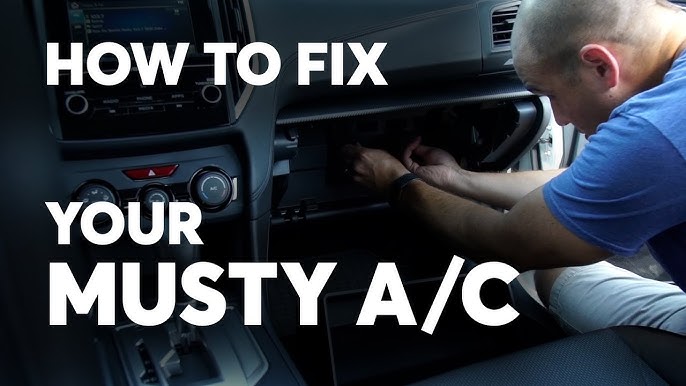
- Find the filter, usually behind the glove box. Remove it. If it is gray, damp, or smelly, toss it.
- Vacuum leaves and dust in the housing. Wipe with a damp cloth. Install a new filter with the arrow in the right direction. A carbon filter helps absorb odors.
- Disinfect the evaporator with foaming cleaner
- Locate the intake path. In many cars, you can insert the tube through the filter slot or the evaporator drain under the car.
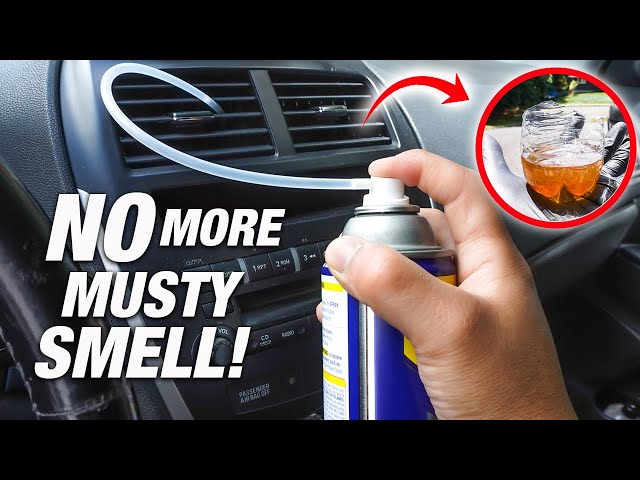
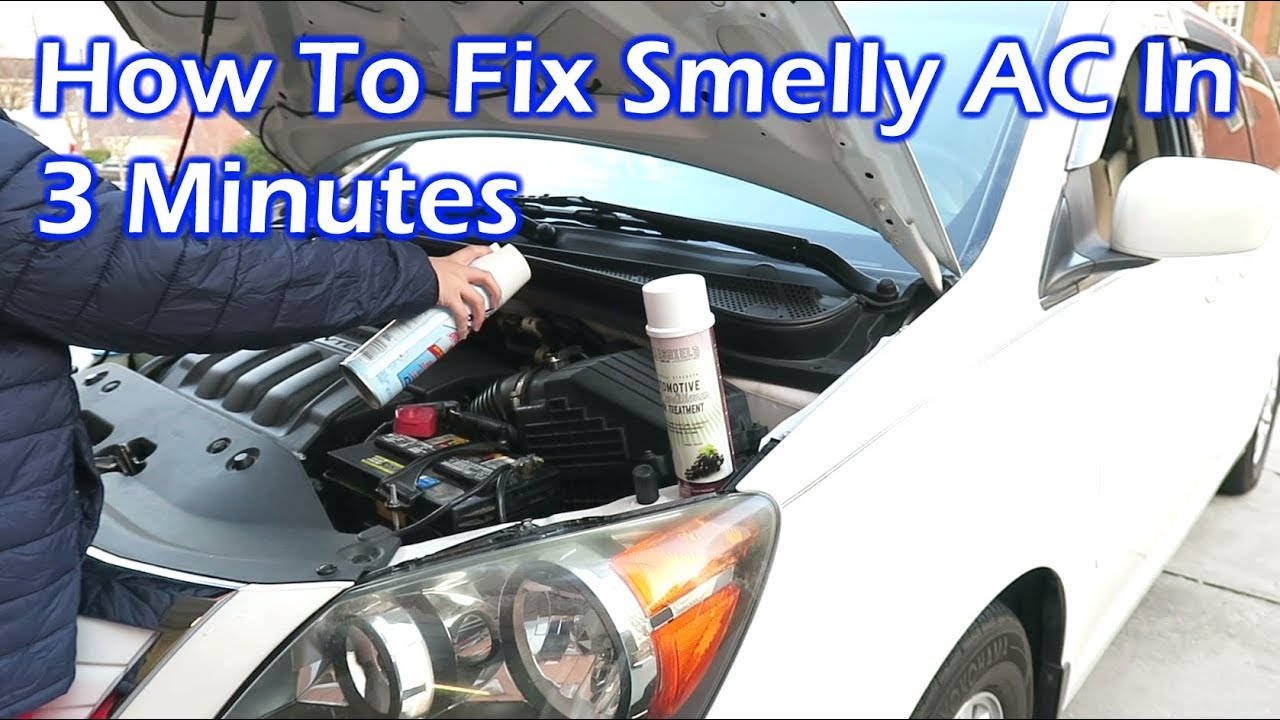
- Shake the can. Insert the tube as far as it will comfortably go. Spray the full can. The foam expands and coats the coil and box. Let it dwell per the label, often 10 to 15 minutes.
- Run the fan on medium with outside air for 10 minutes to vent residues.
- Clear the AC drain tube
- With the AC running, you should see steady water dripping under the car. If not, the drain may be clogged.
- Gently insert a flexible zip tie or pipe cleaner a short way into the drain and wiggle. Do not force. Remove gunk. You should see water flow.
- Sanitize ducts and vents
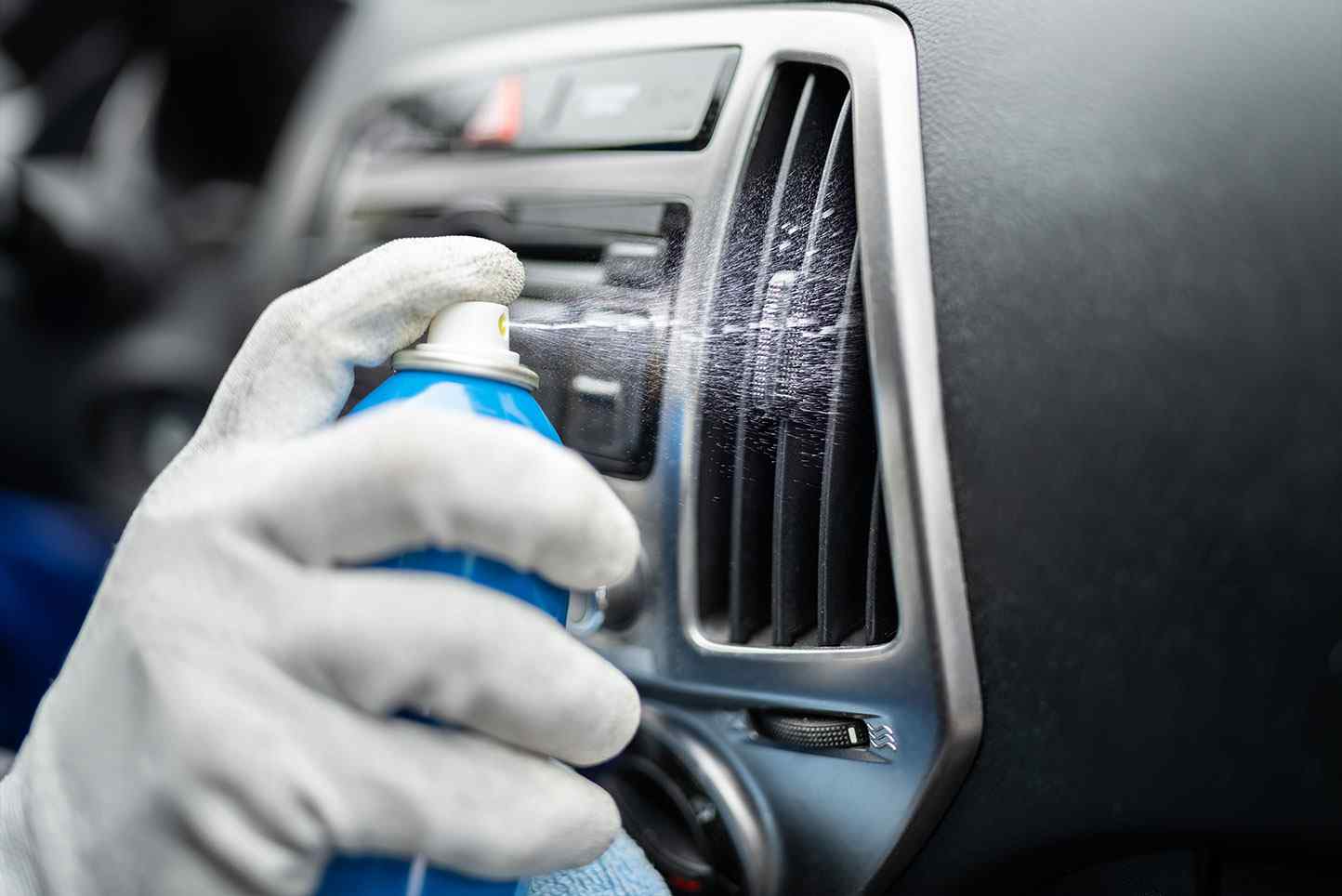
- With fan on high and recirc on, spray HVAC sanitizer into the cabin intake (by the passenger footwell or filter slot). Do short bursts. This treats the blower and ducts.
- Wipe each vent with a microfiber cloth. Clean the dash where dust collects.
- Deodorize soft surfaces
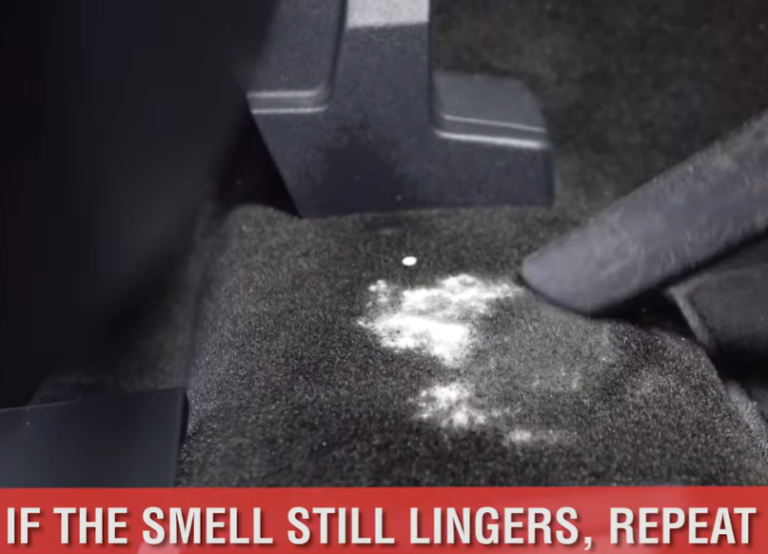
- If the car still smells, treat carpets and seats with an enzyme odor eliminator. Wet spills feed odors. Blot and air-dry well.
- Optional: Ozone treatment, with care
- Ozone can kill odor at a deep level. But it is not for casual use. Only use in an empty car with windows closed, and follow the device’s instructions. Ventilate well after. Avoid if you have leather or natural rubber that may degrade.
These steps cover how to get rid of AC mold smell in car from end to end. Most cars improve after the filter and foam clean alone. Tough cases need drain work and enzyme cleanup.
Deep dive: evaporator and drain cleaning methods
The evaporator lives inside the HVAC box under the dash. Access varies by car:
- Through the cabin filter slot. Often the easiest path. Insert the foam cleaner tube here to coat the coil.
- Through the blower motor opening. Some cars allow you to drop the blower for direct access.
- Through the evaporator drain. A safe route if the tube is straight and wide enough. Spray until you see foam seep from vents.
Use only AC coil cleaners made for vehicles. They are safe for aluminum fins and plastics. Avoid bleach or strong vinegar. They can corrode metal, stain, or leave a sharp odor. Gentle, no-rinse foam works best. Enzyme or quaternary ammonium based formulas help break biofilm.
If you feel unsure, a shop can apply a dealer-grade product with a wand. This is fast, clean, and often costs less than you think. That still fits the plan for how to get rid of AC mold smell in car if DIY access is tight.

Prevention plan that actually works
Stopping the smell is great. Keeping it gone is better. Use this simple routine:
Daily habits
- In the last 2 minutes of each drive, turn off AC but keep the fan on with outside air. This dries the coil.
- Avoid leaving recirc on all the time. Use it to cool fast, then switch back to outside air.
Weekly habits
- Run the heat with outside air for 5 minutes once a week. This bakes out moisture.
- Shake out floor mats. Keep carpets dry. Moist cabins feed the smell.
Seasonal habits
- Replace the cabin filter every 12 months or 10,000–15,000 miles. More often in dusty or humid areas.
- Inspect the AC drain each spring. Look for steady drips with AC on.
- Clean the cowl intake at the base of the windshield. Remove leaves so water flows.
This prevention plan is key to how to get rid of AC mold smell in car for the long term. It is simple and free.
Real-world tips, mistakes to avoid, and what I use
From my years helping friends and detailing cars, a few lessons stand out.
What worked well
- On a 2012 Camry with a stubborn odor, a coil foam clean via the filter slot and a new carbon filter fixed it in one shot. We followed with a 2-minute dry-out routine. No return smell after 6 months.
- A rideshare driver’s SUV had wet carpets from a drink spill. The AC stank every morning. Enzyme spray on the carpet plus a new filter and a drain clear solved it.
Mistakes to avoid
- Do not use perfume bombs as a cure. They mask the smell, then it comes back stronger.
- Do not soak the blower motor. Spray into the intake, not into the motor itself.
- Do not push hard objects into the drain. You can puncture the box.
Products I reach for
- Foaming evaporator cleaner labeled safe for aluminum, no rinse needed.
- Activated carbon or carbon+HEPA cabin filters.
- Enzyme odor eliminator for carpets and seats.
- A small borescope if access is tricky, but this is optional.
If someone asks me how to get rid of AC mold smell in car fast, I always say: filter, foam, drain, and dry-out. Do those, and you will win.
Fast answers to common questions
Can I fix it without removing anything?
Yes. You can foam-clean through the filter slot and replace the filter. Dry the system after and check the drain drip.
Is the smell harmful?
It can be. Mold and bacteria can irritate the nose and lungs. Fixing it improves air quality inside the car.
How long does the fix last?
With the dry-out routine and a clean filter, months to years. Skip the routine, and the smell can come back in weeks.

Frequently Asked Questions of how to get rid of AC mold smell in car
How long does it take to get rid of the smell?
Most DIY cleanups take 45 to 90 minutes. Dry-out and a filter swap help right away, and a foam clean finishes the job.
Will a cabin air filter alone solve it?
If the filter is the only source, sometimes yes. But if the evaporator has biofilm, you need a cleaner to remove it.
Can I use household cleaners like bleach or vinegar?
Avoid them. They can corrode parts and leave a sharp smell. Use AC-safe cleaners designed for evaporators.
What if my AC drain is clear but the smell remains?
Then the coil likely needs a deeper clean. Foam the evaporator, sanitize the ducts, and treat carpets if they are damp.
How often should I replace the cabin filter?
Every 12 months or 10,000–15,000 miles is common. In dusty, humid, or city driving, change it more often.
Will running the fan before parking really help?
Yes. Two minutes of fan with outside air dries the coil. This simple habit prevents most returns.
Can a shop do this better than DIY?
Shops have access tools and dealer-grade products. If access is tight or time is short, a shop fix is fast and effective.
Conclusion
You can stop that musty odor without guesswork. Dry the system, replace the cabin filter, clean the evaporator with foam, clear the drain, and keep up a short dry-out routine. That is how to get rid of AC mold smell in car and keep it fresh for the long haul.
Ready to breathe easy? Try the steps today, note the difference, and keep the routine each week. If you found this helpful, share it with a friend, subscribe for more simple car care guides, or drop a question in the comments.
To get rid of AC mold smell in a car, start by changing or cleaning the cabin air filter, which often traps moisture and mold spores. Next, clean the AC vents and evaporator using a specialized automotive AC disinfectant spray or fogger to kill mold and bacteria. Running the AC on high with the fresh air mode instead of recirculation helps dry out moisture. Regularly keeping the AC system dry and the interior clean prevents mold from returning and keeps the air smelling fresh.
Top-Rated Products for AC Odor Removal
Since this is a DIY fix, recommending a specific cleaner and a high-carbon filter is the most natural affiliate play.
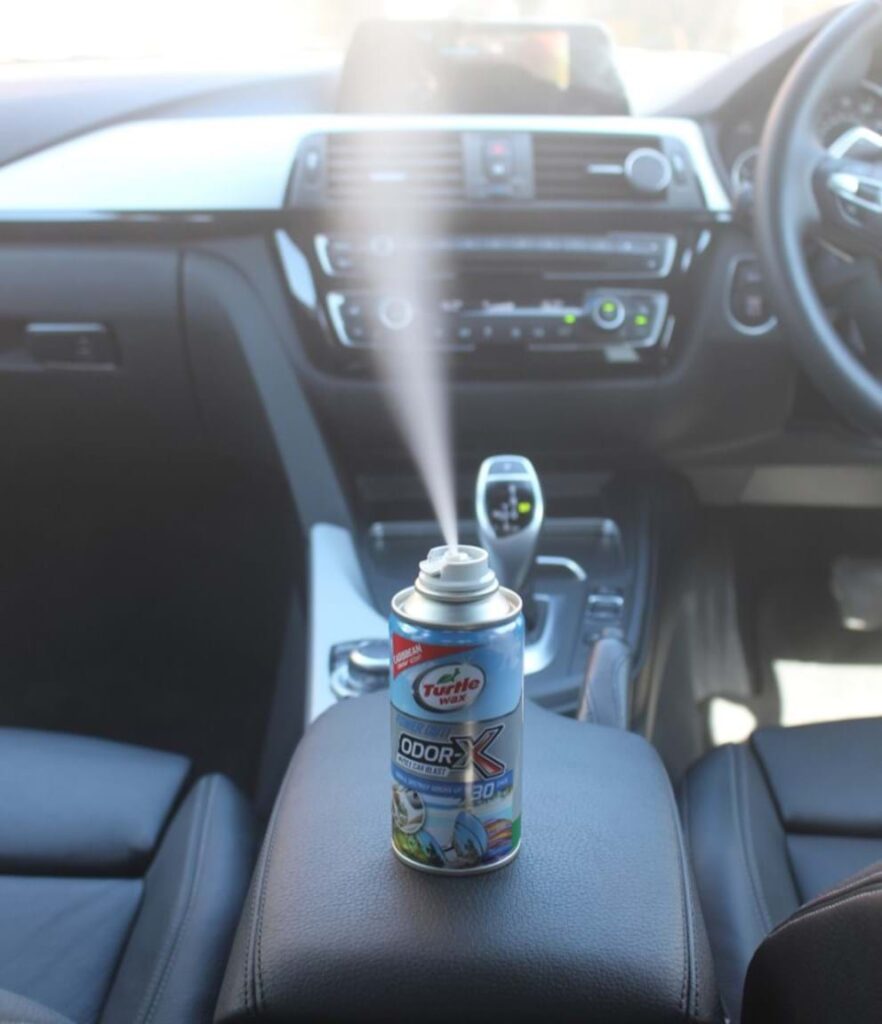
Product Why It’s the Best for AC Mold Key Feature Nextzett Klima-Cleaner Pro Professional Grade. Reaches the evaporator core directly. Long-lasting foam that kills odor-causing bacteria. Spearhead Premium Cabin Filter Activated Charcoal. Neutralizes smells rather than masking them. Up to 25% more surface area for trapping mold spores. Meguiar’s Whole Car Air Refresher Easiest to Use. A “fogger” that cycles through the entire vent system. “New Car” scent that penetrates carpets and upholstery.