
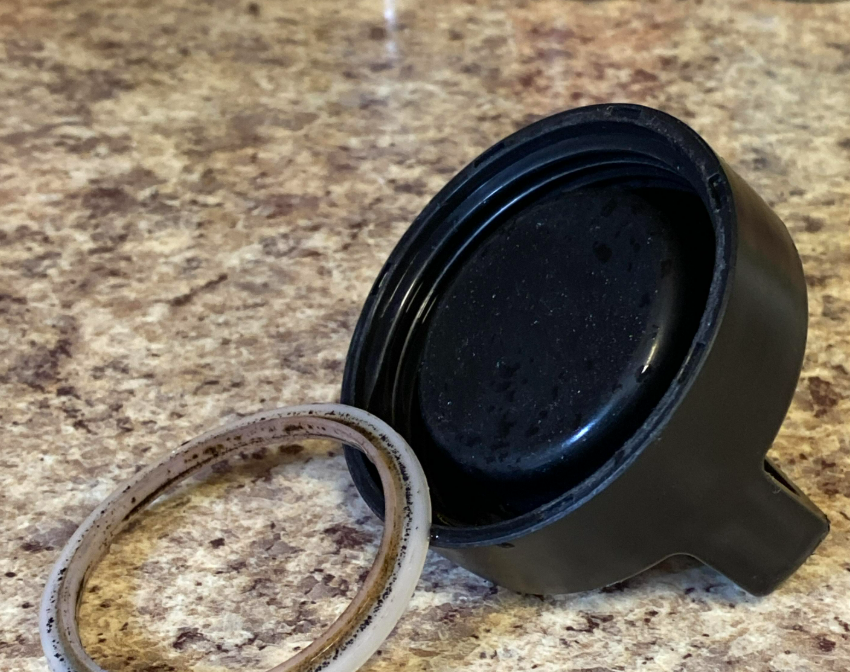
Removing unpleasant smells from a rubber seal is a common challenge, whether it’s in washing machines, refrigerators, or other appliances. These odors can be stubborn, making your appliance or container seem less clean, no matter how often you wash it. Many people try basic cleaning, but the smell often returns. If you want to truly remove the odor from a rubber seal and understand why it happens, you need a method that goes beyond surface cleaning. Let’s look at how to get rid of these smells for good, why they develop, and how to keep them from coming back.
10 Best Car Odor Eliminator: The Only Car Odor Eliminators That Actually Kill Bacteria
How To Remove Smell From Rubber Seal
To remove smell from a rubber seal, use a combination of deep cleaning, safe odor neutralizers, and preventive care. Start by cleaning the seal with warm soapy water to remove dirt and debris. Then, treat the seal with a baking soda paste or a diluted vinegar solution to neutralize odors. Rinse well and let the seal dry completely. For persistent smells, repeat the process or try specialized cleaners. Prevention is key—keep the area dry and clean to stop smells from returning.
Step-by-step Process
- Remove visible debris: Wipe the seal with a damp cloth to get rid of dust, hair, or crumbs.
- Clean with soap and water: Use a soft brush or cloth with mild soap to scrub the seal, reaching into folds and grooves.
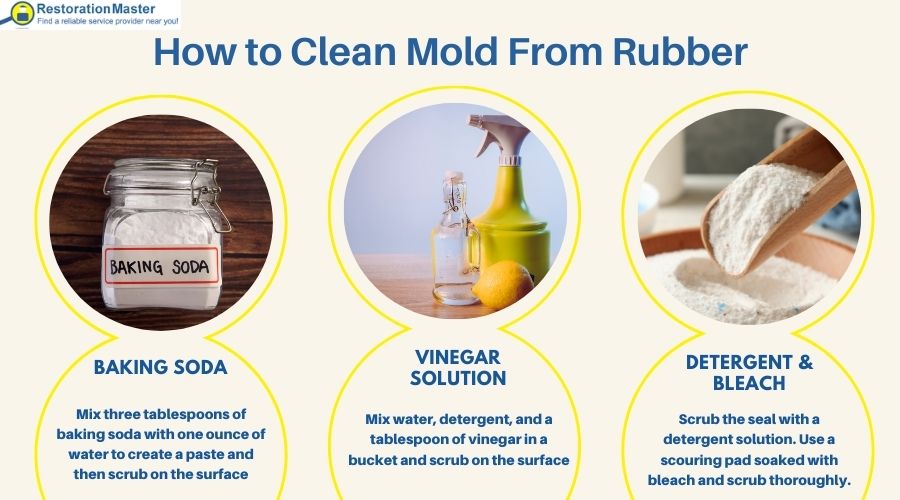
- Apply an odor neutralizer: Make a paste of baking soda and water, or use diluted white vinegar. Apply to the seal, let it sit for 10–15 minutes, then wipe away.
- Rinse thoroughly: Remove all cleaner residues with clean water.
- Dry completely: Use a clean towel to dry the seal, or leave the appliance door open to air dry.
These steps work for most rubber seals in household appliances. For strong or persistent odors, repeat the process or use a product made for odor removal.
Why Do Rubber Seals Smell?
Rubber seals can smell due to mold, mildew, bacteria, or chemical residues trapped in the material or its folds. Moisture and organic matter, like food spills or soap scum, create a perfect environment for microbes to grow. Over time, these organisms produce strong, musty odors. In new rubber products, the smell can also come from manufacturing chemicals, called “off-gassing.” Regular cleaning helps, but deep cleaning is often needed to remove the source of the smell.
Common Causes
- Trapped moisture after washing or spills
- Soap scum and detergent residue
- Food particles in refrigerator or freezer seals
- Mold and mildew growth
- Chemical “new rubber” smell in new products
Home Methods To Remove Smell
Several home remedies can safely and effectively remove smells from rubber seals.
Baking Soda Paste
Mix baking soda with a small amount of water to make a paste. Spread this onto the seal, let it sit for 15 minutes, then scrub and rinse. Baking soda is a gentle abrasive and neutralizes odors.
White Vinegar Solution
Combine equal parts white vinegar and water. Wipe the seal with this solution, then rinse and dry. Vinegar kills many types of mold and bacteria, and helps remove musty smells.
Lemon Juice
Lemon juice can cut through odors and leave a fresh scent. Apply, let sit for a few minutes, then rinse.
Hydrogen Peroxide
For tough odors, use 3% hydrogen peroxide. Wipe the seal, let it sit for five minutes, then rinse. This also helps disinfect and remove mold.
Note: Always test in a small area first to check for any reaction with the rubber.
Commercial Cleaners And When To Use Them
Sometimes household products don’t remove stubborn smells. In these cases, commercial cleaners are useful, especially for washing machines, dishwashers, and refrigerators.
Types Of Cleaners
- Enzyme-based cleaners: Break down organic residue and odors
- Mold and mildew removers: Kill mold spores and prevent return
- Specialized appliance cleaners: Designed for washing machine or refrigerator seals
Check the label to ensure the product is safe for rubber. Avoid strong solvents, which can damage the seal.
When To Use
- Home remedies have failed
- Very strong or long-lasting odors
- Mold keeps returning after cleaning
How To Clean Rubber Seals In Different Appliances
Rubber seals are found in many places. The best cleaning method depends on where the seal is used.
| Appliance | Cleaning Focus | Frequency |
|---|---|---|
| Washing Machine | Remove detergent and mold | Monthly |
| Refrigerator | Remove food residue | Every 2-3 months |
| Dishwasher | Remove grease and food particles | Monthly |
| Food Storage Containers | Remove food odors and stains | As needed |
Washing Machine Rubber Seal
- Open the door after each use to let moisture escape.
- Wipe the seal dry after every wash.
- Run a cleaning cycle with baking soda or a commercial cleaner once a month.
Refrigerator Rubber Seal
- Remove food and clean spills immediately.
- Use vinegar or baking soda to wipe the seal every few months.
- Dry the seal to prevent mold.
Food Storage Or Water Bottle Seals
- Remove the seal and clean it separately with hot, soapy water.
- For strong smells, soak the seal in vinegar or baking soda solution for 30 minutes.
- Dry well before reassembling.
Comparing Home Remedies Vs. Commercial Products
Understanding the strengths and weaknesses of different cleaning options helps you choose the right method.
| Method | Pros | Cons |
|---|---|---|
| Baking Soda | Safe, cheap, mild odor removal | May need repeated use for strong smells |
| White Vinegar | Kills bacteria, easy to find, removes mild odors | Strong vinegar smell at first, may not kill all mold types |
| Commercial Cleaners | Strong cleaning, targets mold and bacteria | More expensive, may have chemicals |
Tips For Long-lasting Odor Removal
Keeping a rubber seal smelling fresh is easier if you follow a few simple habits:
- Keep it dry: After cleaning, always dry the seal. Moisture leads to mold.
- Regular cleaning: Wipe seals as part of your routine cleaning.
- Leave doors open: After using washing machines or dishwashers, leave the door slightly open.
- Check for damage: Cracked or worn seals trap more dirt and odors. Replace them if needed.
- Use less detergent: Too much soap leaves residue, which feeds bacteria and mold.
Many people forget to dry the seal after cleaning. Even a little moisture encourages mold. Also, using too much detergent in washing machines makes the problem worse. Stick to recommended amounts.
What Not To Do
Some common mistakes make rubber seal smells worse or damage the seal:
- Do not use bleach often: Bleach can degrade rubber over time.
- Avoid harsh solvents: Products like acetone or paint thinner can crack or dry out rubber.
- Don’t use rough scrubbing pads: They can damage the seal’s surface and create hiding spots for bacteria.
- Don’t ignore the smell: Bad odors often mean mold or bacteria. If you don’t treat them, the problem grows.
How To Prevent Smells From Returning
Prevention saves time and effort. Here are effective ways to keep your rubber seals odor-free:
- Clean regularly: Once a month for appliances, more often for food containers.
- Dry completely: After every use, dry the seal and leave the door open.
- Remove spills quickly: Don’t let food or water sit in the seal.
- Air out new rubber: For new products, let them air out for a few days to remove the manufacturing smell.
- Use a dehumidifier: In damp rooms, a dehumidifier reduces moisture and prevents mold.
A non-obvious insight: Many people only clean what they can see. Rubber seals often have folds—pull them back gently and clean inside. This is where most mold grows.
When To Replace The Rubber Seal
Sometimes cleaning is not enough. If the rubber seal is cracked, hard, or moldy inside, it’s time to replace it.
Signs You Need A New Seal
- Visible cracks or tears
- Seal feels hard or brittle
- Strong odor remains after cleaning
- Visible black mold deep inside the seal
A damaged seal will not keep out moisture or bacteria. Replacement is the only way to solve the smell permanently in these cases.
Professional Cleaning Services
If you have tried everything and the smell remains, professional cleaning may help. They use specialized tools and cleaners to reach deep into the seal and appliance. This is useful for expensive appliances or when you cannot remove the seal yourself.
Environmental And Health Impact
Bad smells from rubber seals are more than just annoying. Mold and bacteria can cause allergies or respiratory problems. Keeping seals clean protects your family’s health and helps appliances last longer. Always ventilate the area during cleaning, especially when using stronger cleaners.
For more on mold and its health effects, see the US Environmental Protection Agency.

Frequently Asked Questions
How Often Should I Clean Rubber Seals?
For appliances like washing machines or refrigerators, clean the rubber seal at least once a month. For food containers, clean after each use. If you notice a smell or visible mold, clean immediately.
Is It Safe To Use Bleach On Rubber Seals?
Bleach can kill mold but may damage rubber if used often. Use it only for severe mold, and rinse thoroughly. For regular cleaning, stick to baking soda, vinegar, or mild soap.
Why Does The Smell Return After Cleaning?
The smell often returns if moisture or soap residue remains. Always dry the seal after cleaning and clean inside the folds. If the seal is old or cracked, odors can become permanent.
Can I Remove The Seal For Cleaning?
Some seals, like those on food containers or water bottles, can be removed and washed separately. Appliance seals are usually fixed but can be gently lifted to clean underneath. Check your appliance manual before removing any parts.
What Should I Do If The Smell Won’t Go Away?
If the smell remains after deep cleaning and drying, consider replacing the seal. Persistent odors often mean mold or bacteria are deep in the material. Replacement is the best solution for old, cracked, or heavily contaminated seals.
Keeping your rubber seals clean not only improves your appliance’s performance but also protects your health. With regular care and the right cleaning methods, you can keep odors away for good.