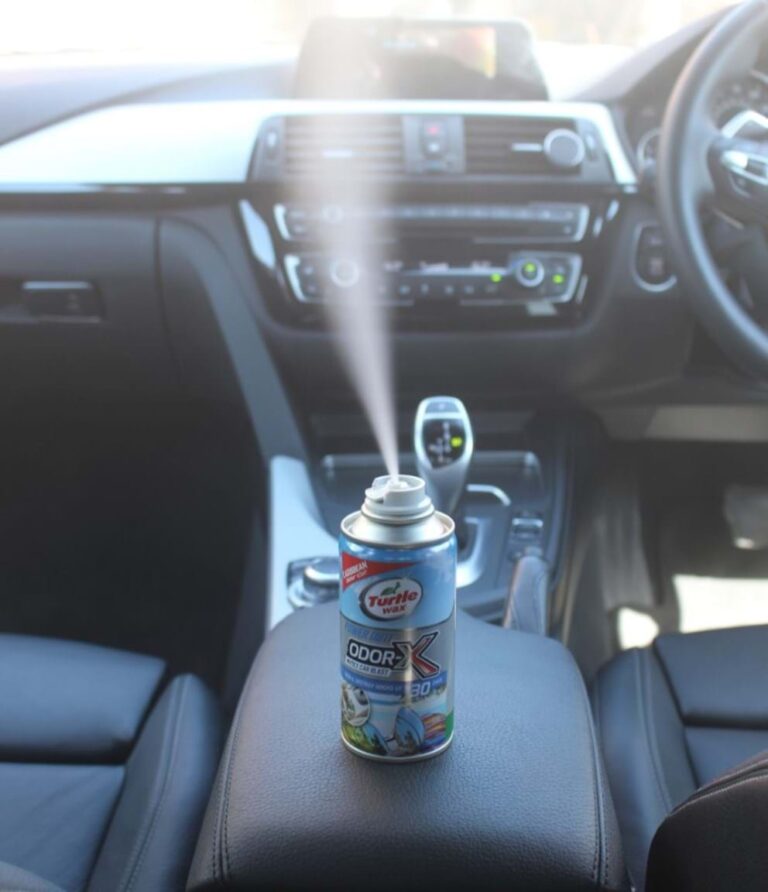
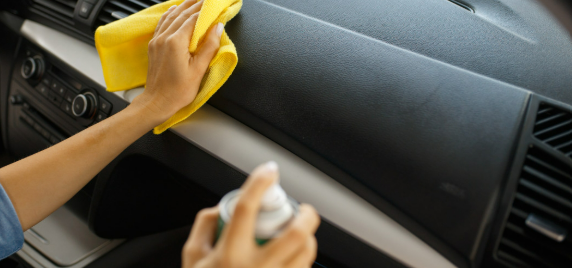
Unknown odors in your car can be annoying and persistent. Start by cleaning the interior thoroughly—vacuum carpets, seats, and under mats. Use a high-quality car interior cleaner to remove dirt and grime. Check and replace cabin air filters, as trapped debris can cause smells. For lingering odors, consider odor-neutralizing sprays or placing activated charcoal inside the car to absorb unwanted scents. Regular maintenance, like keeping the AC and vents clean, helps prevent new odors from developing.
A strange odor in your car can turn every drive into an uncomfortable experience. To get rid of an unknown smell in your car, you must first find the source, clean affected areas, remove lingering odors, and prevent the smell from returning.
Acting quickly is important because some smells—like mold or chemical leaks—can affect your health.
Identify The Source Of The Smell
The first and most important step is to locate the cause of the odor. Smells can come from many places inside a car. Start by removing all garbage and checking for hidden items that may be rotting or leaking.
Common sources include:
- Food scraps stuck under seats or in crevices
- Spilled drinks in cup holders or carpet
- Wet floor mats leading to mold
- Old gym bags or sports equipment
- Pet hair or accidents
- Mechanical leaks such as oil, coolant, or fuel
- Mildew from air conditioning or leaks
Take your time with this step. Use a flashlight to look under seats and in the trunk. If the smell is sweet, chemical, or musty, it could be a mechanical issue or water leak, not just garbage.
Remove All Trash And Items
Start your cleaning by taking out every removable item. This includes:
- Floor mats
- Trash
- Old food wrappers
- Water bottles
- Bags or clothing
Shake out floor mats and vacuum them. Check under the seats and in storage spaces. Even small forgotten items can cause big smells over time. Once all items are out, the odor’s source may become more obvious.
Deep Clean The Interior Surfaces
Vacuuming and wiping down all surfaces is essential for removing odors trapped in the car’s fabric and materials.
Vacuuming
Use a strong vacuum to clean:
- Seats (including between cushions)
- Carpets
- Floor mats
- Under the seats
- Trunk
If you find stains or sticky spots, note them for deeper cleaning.
Wiping Hard Surfaces
Clean the dashboard, steering wheel, center console, and door panels with a gentle cleaner. Make sure to get into cup holders and storage compartments, as these often collect spills.
Pro tip: Use a toothbrush or small brush for air vents and hard-to-reach areas.
Shampooing Upholstery
For cloth seats and carpets, use a fabric cleaner or rent a carpet cleaner. Spray, scrub gently, and blot with a clean towel. For leather, use a leather cleaner and conditioner.
Cleaning Headliner
Odors can rise and get trapped in the ceiling fabric. Carefully wipe the headliner with a damp microfiber cloth and a mild cleaner. Do not soak the fabric—too much moisture can cause sagging or mold.
Treat The Air Conditioning And Ventilation System
The air conditioning system can develop musty or moldy smells, especially if moisture builds up.
Steps to clean:
- Turn on the car and set the AC to maximum.
- Switch to “recirculate” mode.
- Spray an AC cleaner or odor eliminator into the outside air intake (usually below the windshield).
- Let the system run for 10-15 minutes.
Replace the cabin air filter as well. A dirty filter can trap odors and blow them back into the cabin.
If you still notice a musty smell, there may be mold deep in the vents. In this case, have a professional clean the system.
Remove Persistent Odors With Odor Neutralizers
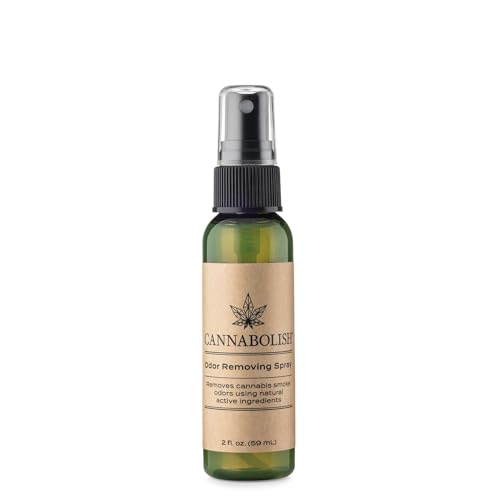
Even after cleaning, some odors linger. Use odor neutralizers instead of simply masking the smell with air fresheners.
Popular options:
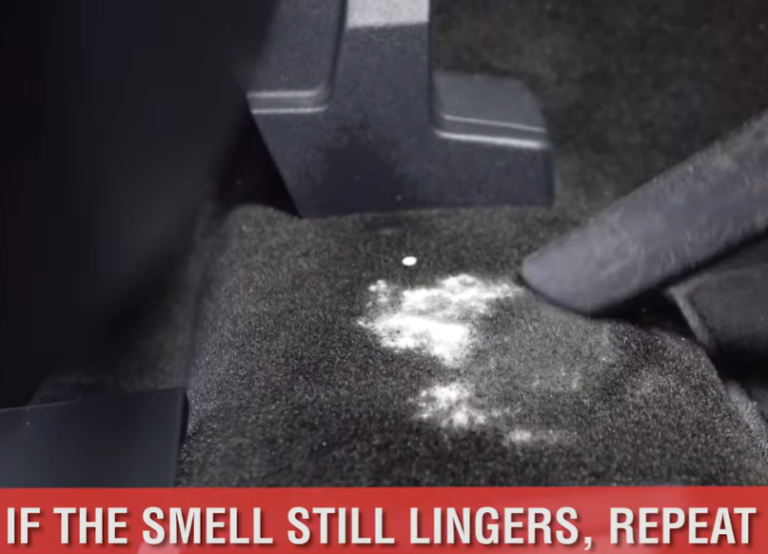
- Baking soda: Sprinkle on seats and carpets, let sit overnight, then vacuum.
- White vinegar: Place a bowl of vinegar in the car overnight to absorb odors.
- Charcoal bags: Charcoal naturally removes odors. Place bags under seats for a few days.
- Enzyme sprays: These break down organic odors (like pet urine or milk).
Don’t just spray air freshener. It only hides the smell for a short time and can mix with the bad odor, making it worse.
Address Moisture And Mold Issues
Moisture is a common cause of stubborn car smells. If your car smells musty, check for leaks:
- Inspect door seals for damage.
- Check under floor mats for damp spots.
- Look for signs of rust or water under seats.
If you find water, dry the area completely. Use towels, a wet/dry vacuum, or a portable heater. For mold, clean affected areas with a solution of one part vinegar to three parts water.
Tip: Leave car windows open on a dry, sunny day to air out the interior. Sunlight helps kill mold and bacteria.

Clean Or Replace The Cabin Air Filter
A cabin air filter traps dust, pollen, and debris from air entering your car. Over time, it can also trap smells.
How to handle it:
- Find your car’s cabin air filter (usually behind the glove box).
- Remove and inspect it. If it looks dirty or smells, replace it.
- Install a new filter as per your car’s manual.
Filters are inexpensive and often solve persistent odor problems, especially if the smell is strongest when the AC or heat is on.
Steam Clean For Deep Odors
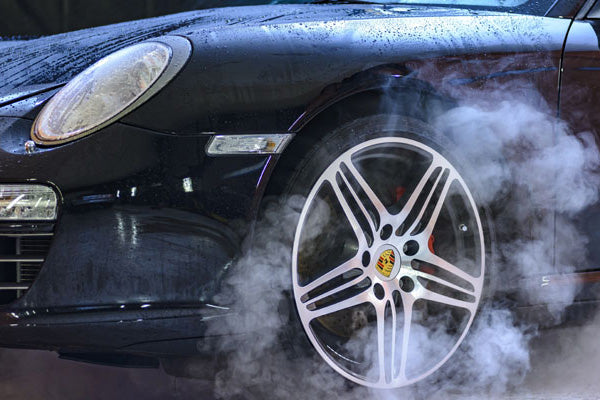
For tough or mysterious odors, steam cleaning is one of the most effective solutions. Steam penetrates deep into fabrics and kills bacteria, mold, and germs that cause smells.
You can rent a steam cleaner or hire a professional detailer. Focus on:
- Seats and carpets
- Headliner
- Door panels
Be careful not to oversaturate surfaces, as too much moisture can cause more problems.
Use Ozone Treatment For Severe Smells
If all else fails, ozone treatment can neutralize even the strongest odors (like smoke or pet accidents). Ozone generators release gas that breaks down odor molecules.
How it works:
- Remove all items and clean the interior first.
- Place the ozone machine inside, following the manufacturer’s instructions.
- Run the machine for several hours with windows up and doors closed.
- Air out the car thoroughly afterward.
Ozone can be dangerous if inhaled, so follow all safety guidelines. Many detailers offer this service if you don’t want to do it yourself.
Avoid Common Mistakes When Removing Car Odors
Many car owners make mistakes that leave smells behind or make them worse. Avoid these errors:
- Masking with air fresheners — This only covers up the smell and can blend into an unpleasant scent.
- Forgetting hidden areas — Smells often hide in the trunk, under seats, or in ventilation.
- Not checking for leaks — Water leaks can return, causing new mold and smells.
- Ignoring mechanical issues — Some smells come from oil, coolant, or fuel leaks. These can be dangerous.
- Skipping professional help — If you can’t find or remove the smell, a professional detailer or mechanic can help.
How to Get Rid of Water Leak Smell in Car – Easy Fixes That Work
Compare Odor Removal Methods
Here’s a quick comparison of popular odor removal methods for your car:
| Method | Effectiveness | Cost | Best For |
|---|---|---|---|
| Baking Soda | Moderate | Low | Food, mild odors |
| Vinegar | Moderate | Low | General odors, smoke |
| Steam Cleaning | High | Medium | Deep, unknown odors |
| Ozone Treatment | Very High | Medium/High | Severe, persistent smells |
| Charcoal Bags | Moderate | Low | Maintenance, mild odors |
When To Seek Professional Help
Sometimes a smell points to a serious problem that home cleaning can’t fix. Call a professional if:
- The odor is chemical (like fuel or burning rubber)
- You find evidence of mold you can’t remove
- The smell returns quickly after cleaning
- You can’t find the source
Professional detailers have tools like high-pressure steam cleaners and ozone machines. Mechanics can check for leaks or electrical problems.
Prevent Future Odors
After removing the smell, take steps to stop it from coming back.
- Clean spills quickly. Don’t let liquids soak into carpets or seats.
- No food in the car. Or at least remove leftovers and wrappers right away.
- Vacuum regularly. Dirt and crumbs attract bacteria.
- Check for leaks after heavy rain or car washes.
- Use moisture absorbers. Silica gel packs or charcoal bags reduce humidity.
- Change cabin air filter every 12,000–15,000 miles or as recommended.
- Air out your car on dry days to let out any trapped moisture.
- Keep windows closed in humid or rainy weather to avoid water leaks.
If you use your car for pets or sports, clean more often to avoid lingering smells.
Data: Common Causes Of Car Odors
Understanding what usually causes car smells can help you check the right places first.
| Odor Type | Common Source | Health Risk |
|---|---|---|
| Musty/Moldy | Wet carpets, AC system, leaks | High (allergies, mold) |
| Rotten Food | Leftover food, drinks | Medium (bacteria) |
| Sweet/Chemical | Coolant leak | High (toxic) |
| Burning | Oil or electrical problem | High (fire risk) |
| Gasoline | Fuel leak | Very High (explosion risk) |
| Smoke | Tobacco, fire damage | Medium (residue, toxins) |

Real-world Examples
Many people have dealt with strange car smells. Here are a few examples:
- A car owner found a persistent sweet smell. It turned out to be a leaking heater core under the dashboard, which was leaking coolant into the carpet.
- Another driver had a musty smell each rainy season. The problem was a clogged sunroof drain, which let water leak onto the carpet.
- Someone else noticed a strong odor after leaving their car parked for weeks. A bag of groceries had fallen behind the rear seat and was rotting.
Each case required a different approach—sometimes more than one method—to fully remove the smell.
The Role Of Regular Maintenance
Regular maintenance reduces the risk of unknown smells. Schedule:
- Interior cleaning every 1–2 months
- Cabin air filter replacement every 12,000–15,000 miles
- Leak inspection at every oil change
- AC system check yearly
Not only does this keep your car smelling fresh, but it also protects your health and the car’s value.
Useful Products For Odor Removal
Some products can make odor removal easier:
- Enzyme cleaners: Break down organic matter, great for food and pet smells.
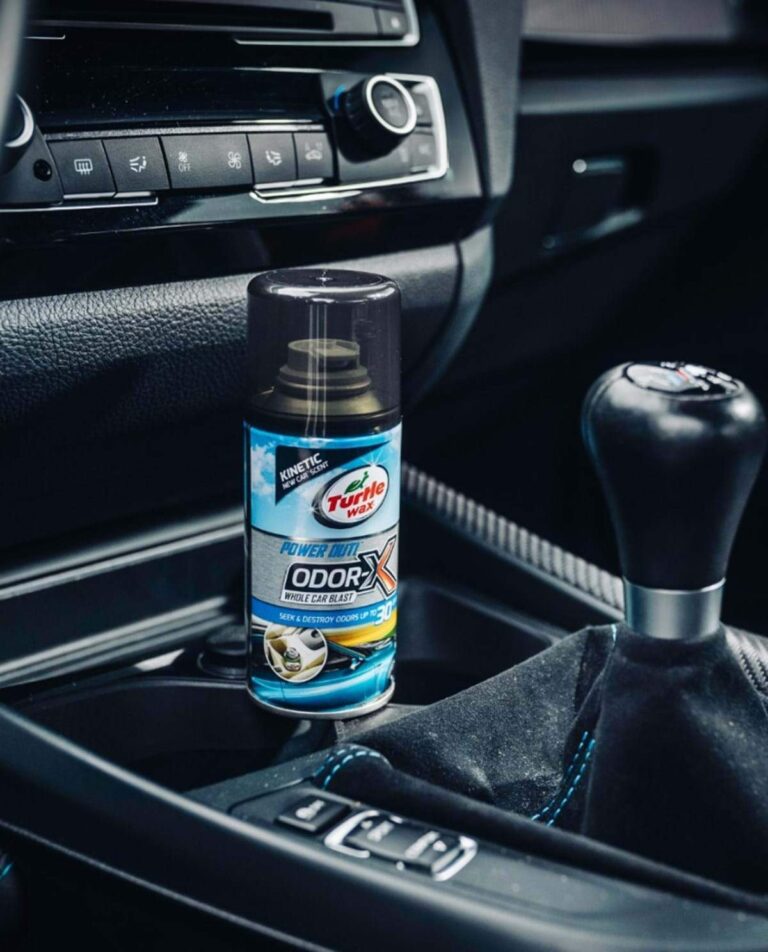
- Odor bombs: Release a fog that penetrates fabric and vents.
- Moisture absorbers: Silica gel or calcium chloride traps to reduce mold risk.
- Portable vacuums: For quick cleanup of crumbs and dirt.
Check product reviews and instructions to pick the right solution for your car and needs.
How Long Does It Take To Remove A Car Smell?
The time needed depends on the cause and how deep the odor has penetrated. Simple smells (like forgotten food) can be removed in a day or two with cleaning. Mold or chemical leaks may take several treatments over a week or more.
For persistent issues, patience is key—repeat cleaning and odor removal steps as needed.
Cost Comparison: Diy Vs. Professional Cleaning
Here’s a look at the cost difference between doing it yourself and hiring a pro:
| Service | DIY Cost | Professional Cost |
|---|---|---|
| Basic cleaning (vacuum, wipe down) | $10–$30 | $50–$100 |
| Steam cleaning | $30–$60 (rental) | $100–$200 |
| Ozone treatment | $40–$80 (machine) | $75–$150 |
| Cabin filter replacement | $15–$30 | $40–$70 |
DIY is cheaper but takes more time and effort. For severe or mystery odors, professional help may save you time.
Additional Non-obvious Insights
- Odor molecules can hide in car insulation and foam padding. If a smell won’t go away, it may be trapped deep inside. Sometimes, removing a seat or carpet is the only solution.
- Seasonal changes can make smells stronger. Heat in summer or humidity in rainy seasons can “reactivate” old odors. It’s normal to smell something only at certain times of year.
Where To Find More Help
If you want to learn more about car maintenance and odor removal, check out resources like the Consumer Reports Car Cleaning Guide for more details and tips.
Frequently Asked Questions
What If The Smell Comes Back After Cleaning?
If the smell returns, you may have missed the source, or there could be a leak or mold issue. Check hidden areas, replace the cabin filter, and consider professional help. Persistent smells may need more than one treatment.
Can Car Smells Be Harmful To Health?
Yes, some odors signal health risks. Mold, fuel, or coolant leaks can cause allergies, headaches, or even be toxic. Chemical or burning smells should be checked by a mechanic immediately.
Is Ozone Treatment Safe For Car Interiors?
Ozone treatment is very effective but must be used carefully. Ozone gas should not be inhaled, and the car should be aired out after treatment. It is safe for interiors if used as directed.
How Often Should I Clean My Car To Prevent Smells?
Vacuum and wipe down the interior every 1–2 months. Change the cabin air filter every 12,000–15,000 miles. Clean up spills and remove trash right away to prevent smells from starting.
What’s The Fastest Way To Remove A Car Odor?
Quickly remove all trash, vacuum thoroughly, and use baking soda or an enzyme spray on affected areas. For strong smells, a combination of cleaning, airing out, and odor neutralizer works fastest.
Getting rid of an unknown smell in your car takes patience and attention to detail, but with the right steps, you can restore a clean, fresh driving experience. Take care of your car’s interior just like you do with its engine, and you’ll enjoy every trip much more.