
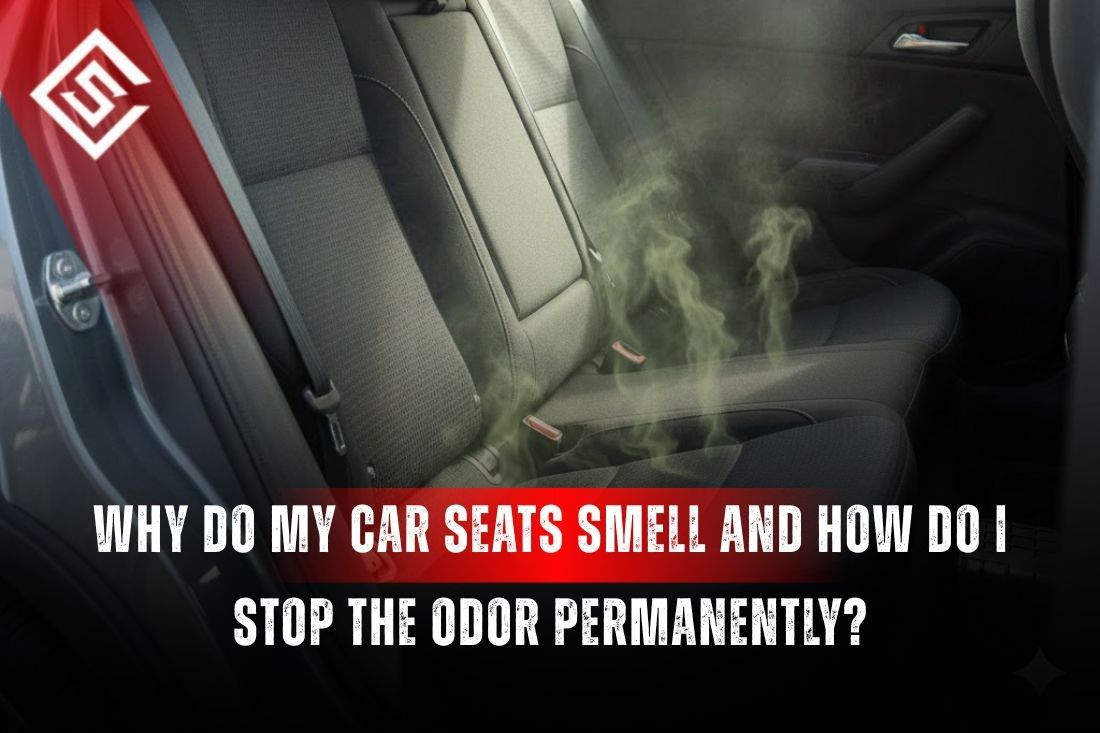
Car seat foam odors are often caused by trapped chemicals, sweat, or moisture. To reduce the smell, start by ventilating your car and letting fresh air circulate. Using a high-quality upholstery cleaner or a mixture of baking soda and water can help neutralize odors. Activated charcoal packs or specialized odor absorbers placed under the seats also effectively remove lingering smells. Regular cleaning and allowing seats to dry completely prevent the foam from retaining unwanted odors, keeping your car interior fresh and comfortable.
Ventilate, deep clean, neutralize odors, and seal foam to stop car seat smells.
If your new or used ride smells like a chemical cloud, you are not alone. I’ve helped many drivers figure out how to get rid of car seat foam smell fast, without damaging fabric or airbags. In this guide, I’ll explain what causes it, what works, what doesn’t, and the exact steps I use. Follow along to learn how to get rid of car seat foam smell in a safe, simple way that lasts.
How to Get Rid of Plastic Dashboard Smell in Car – Easy and Effective Methods
What causes car seat foam smell?
Most car seats use polyurethane foam glued to fabric. Fresh foam and adhesives release volatile organic compounds, called VOCs. Heat and humidity make VOCs stronger, so hot days can make the smell spike. If moisture gets trapped, mildew can also add a sour note.
In new seats, VOC off‑gassing usually drops a lot in three to six weeks. It can take up to three months to settle. Smoke, spills, and pet accidents can soak into foam and linger much longer. Knowing the source helps you choose the right fix and get rid of car seat foam smell for good.
Quick fixes you can do today
You can cut the odor right now with a few simple steps. These target the air, fabric, and surface VOCs.
- Air it out. Park in shade. Open all doors for 20–30 minutes. Use a box fan on low.
- Use baking soda. Sprinkle on seats. Wait 12 hours. Vacuum slowly with upholstery tools.
- Try white vinegar. Place two bowls in the car overnight. Vinegar absorbs odors from the air.
- Add odor adsorbers. Put pouches of activated charcoal or zeolite under the seats for a week.
- Sun with care. One hour of gentle morning sun helps. Avoid mid‑day heat that can worsen VOCs.
- Run the HVAC on fresh air. Turn on max fan with windows cracked for 10 minutes.
These steps help you start how to get rid of car seat foam smell without special tools. Keep the car dry and cool to slow off‑gassing. Revisit these quick wins every few days until the smell fades.
Deep clean method that targets fabric and foam
When the smell sticks, go deeper. Here is my shop-tested routine.
- Vacuum thoroughly. Use a soft brush and crevice tool. Lift seams to pull dust and debris.
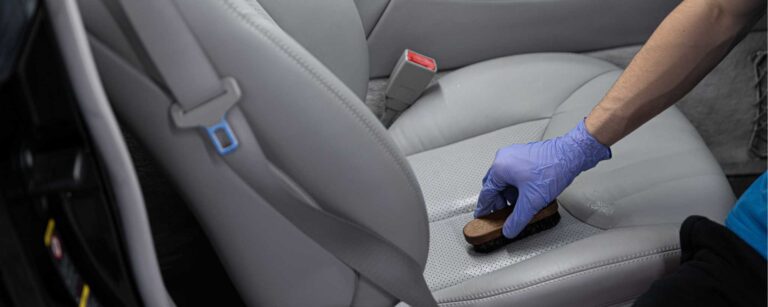
- Shampoo the upholstery. Use a fabric-safe, low-foam upholstery cleaner. Lightly scrub, then extract with a wet/dry vac.
- Use an enzyme cleaner on organic odors. Apply to spots from food, milk, sweat, or pets. Let it dwell, then blot.
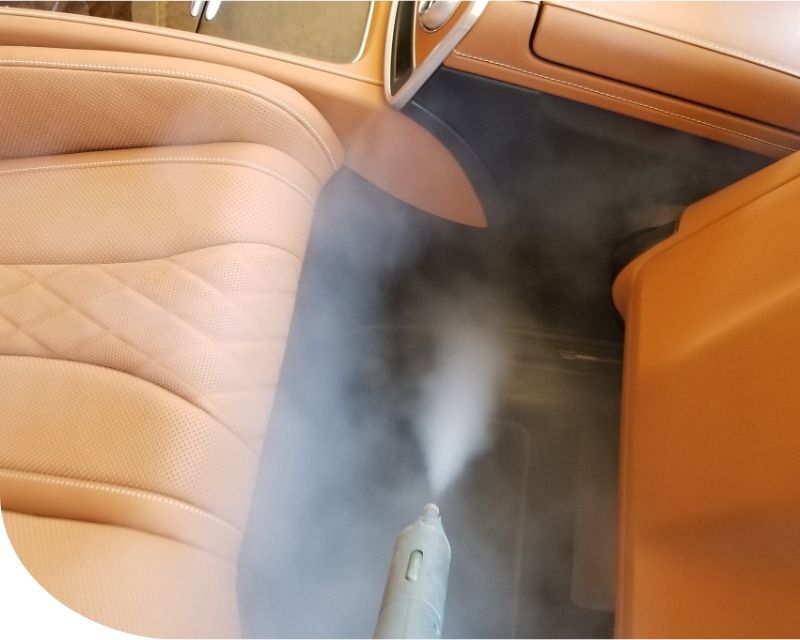
- Steam with caution. Light steam can help on fabric. Do not soak. Too much heat or water can push odor into foam.
- Rinse and extract. Use clean water to rinse. Extract until little moisture comes up.
- Baking soda finish. When dry to the touch, dust a thin layer. Wait overnight. Vacuum again.
- Cabin filter check. Replace a dirty cabin filter so the HVAC does not recycle odors.
This routine works if you want a reliable path for how to get rid of car seat foam smell. Keep drying in mind. Seats should feel dry within 24 hours. If still damp, use a fan and a small dehumidifier in a garage.

How to treat the foam itself when possible
Some seats allow you to remove the cover. If so, you can address the foam more directly.
- Air out the foam. Set foam on a dry rack indoors with a fan for 24–48 hours.
- Use odor adsorbers. Place charcoal or zeolite next to, not on, the foam. Rotate daily.
- Apply a fabric-safe odor neutralizer. Choose a water-based product that bonds to odor molecules. Test in a hidden spot first.
- Avoid heavy perfumes. Strong scents can mix with VOCs and smell worse.
- Do not seal with paint. Paints or primers can damage foam and sensors.
Many modern seats contain airbags and sensors. If you are not sure, do not remove covers. For leased or new cars, ask the dealer first. These steps help when you must know how to get rid of car seat foam smell at the source.
Drying and humidity control that actually work
Moisture makes every odor louder. Control humidity to tame it.
- Use desiccant packs. Place silica gel under seats. Swap when the color shows full moisture.
- Run a portable dehumidifier in a closed garage. One night can pull a lot of water from the air.
- Crack windows safely. A small gap helps air flow without inviting dust or rain.
I keep a small digital hygrometer in my shop cars. Under 50% relative humidity helps a lot. If you live in a humid area, repeat these steps during warm months to keep how to get rid of car seat foam smell on track.
How To Get Rid Of Soda Spill Smell In Car – Proven Methods That Actually Work

Advanced tools: When and how to use them
Some tools work great if used right. Others can cause harm.
- Ozone machines. They can neutralize tough smells. Use only in an empty car, for short runs, then air out well. Ozone can harm rubber and lungs if misused.
- HEPA air purifiers. A garage purifier near open doors reduces airborne VOCs as you air out the car.
- UV wands. Not needed for foam odor. UV can fade fabric and dry leather.
I use ozone only for smoke or strong organic odors, and only after deep cleaning. For most “new foam” odors, time and ventilation are safer. Choose the least aggressive method that works as you decide how to get rid of car seat foam smell without risk.

When to seek warranty service or replace parts
Sometimes, the fix is not worth the fight.
- Strong chemical odor past 90 days in a brand-new seat. Ask the dealer about warranty options.
- Mildew inside foam from major spills. Replacement is often faster and safer.
- Smoke-saturated foam. Deep cleaning helps, but full replacement may be best.
Safety comes first. If the seat contains airbags or sensors, avoid DIY disassembly. A pro can inspect and advise on how to get rid of car seat foam smell with less risk.
Prevention tips for a fresh-smelling cabin
Small habits prevent big smells.
- Pre-air a new car. Park with windows open in a safe spot for an hour a day for the first week.
- Keep spills off foam. Use washable seat covers for kids and pets.
- Clean fast. Blot and treat spills the same day with enzyme cleaner.
- Control heat. Use windshield shades and cracked windows to lower VOC spikes.
- Refresh adsorbers. Replace charcoal or zeolite pouches every two to three months.
These steps make it much easier the next time you think about how to get rid of car seat foam smell. Prevention saves time, money, and stress.
Frequently Asked Questions of how to get rid of car seat foam smell
How long does new foam smell usually last?
Most new foam odors fade a lot within three to six weeks. Heat, humidity, and adhesives can stretch that to a few months.
Is baking soda safe for car seats?
Yes, for most fabric seats. Test a small spot first, let it sit, then vacuum well.
Will vinegar damage my upholstery?
Vinegar in bowls will not touch fabric and is safe. If you spray it, dilute 1:1 with water and spot test.
Do ozone generators remove foam odors?
They can help tough smells, but they are not first-line for foam VOCs. Use with caution, short cycles, and long airing.
Can steam cleaning make the smell worse?
It can if you over-wet the seat and push odors deeper. Use light steam and extract moisture right away.
What if the smell gives me headaches?
Air out the car and avoid high heat. If symptoms continue, see a pro and ask the dealer about warranty options.
Does activated charcoal really work?
Yes, it adsorbs many VOCs and odors. Replace pouches every one to three months for best results.
Conclusion
You can beat that stubborn car seat foam smell with a clear plan. Air it out, clean the fabric, treat the foam with safe products, and control moisture. Start gentle, track progress, and escalate only when needed.
Take one section from this guide and do it today, even if it is just airing out and placing charcoal pouches. Small moves add up fast. If you found this helpful, share it with a friend, subscribe for more car care tips, or leave a question and I’ll help you troubleshoot your exact case.

One Comment
Comments are closed.