
A sulfur or rotten-egg smell in a car usually comes from the catalytic converter, battery, or fuel system. To eliminate it, start by checking the catalytic converter for damage and ensuring the engine is running efficiently. Inspect the battery for leaks and clean any corrosion from terminals. Replace old or contaminated fuel if necessary. Regularly airing out the car, using cabin air filters, and keeping the interior clean can help reduce lingering odors. Persistent sulfur smells may require a mechanic’s inspection to prevent further engine or exhaust issues.
The “Quick Fix” Toolkit
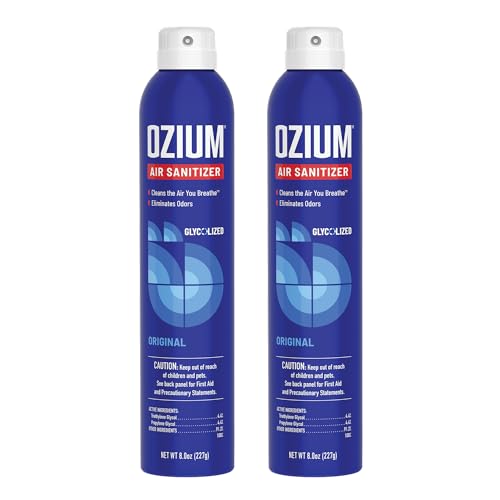
If you’ve ruled out a mechanical emergency, these are the specific products proven to neutralize—not just mask—sulfur odors.
Product Type Top Recommendation Why it Works Deep Odor Neutralizer Meguiar’s Whole Car Air Re-Fresher An aerosol “bomb” that travels through the vents to kill sulfur-producing bacteria. Chemical Absorber MOSO NATURAL Bamboo Charcoal Bag Non-toxic; physically pulls sulfur molecules out of the air 24/7. Vent Specialist Nextzett Klima-Cleaner A foam cleaner applied directly into the AC evaporator to stop “rotten egg” AC smells.
Ventilate, diagnose the source, fix battery or catalytic issues, and deep-clean.
If your car smells like rotten eggs, you are not alone. I have helped many drivers figure out how to get rid of sulfur smell in car without guesswork. In this guide, I will show clear steps you can follow today. We will cover causes, fast checks, proven fixes, and simple habits that prevent it from coming back.
Does WD-40 Remove Tape Adhesive?– Safe & Effective Methods Explained
What that sulfur smell means and the most common causes
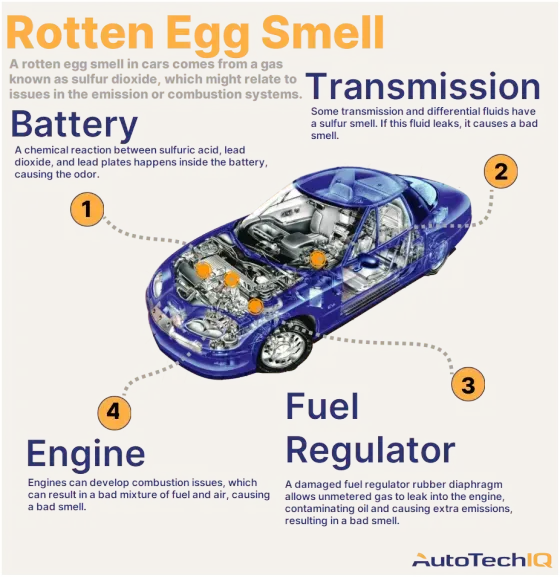
The sulfur smell in cars is almost always the rotten egg scent of hydrogen sulfide gas. It can come from a few parts. The goal is to find the source fast and fix it before damage spreads.
Main causes to check first:
- Overcharging battery or failing voltage regulator. Overcharge can create hydrogen sulfide and a strong sulfur odor near the battery.
- Failing catalytic converter. A rich fuel mix can overload the cat and cause sulfur smell at the tailpipe.
- Fuel system issues. Bad oxygen sensors, a stuck injector, or a misfire can create the smell.
- Old or poor-quality fuel. Fuel with higher sulfur or stale fuel can make the scent worse.
- HVAC and interior issues. Mold or bacteria in the evaporator can create a sulfur-like or musty odor in the cabin.
Safety note:
- Hydrogen sulfide is toxic at high levels. If the smell is very strong, ventilate at once and avoid sparks near the battery.
If you want to know how to get rid of sulfur smell in car for good, you must match the smell to the source. Then use the fix that removes the cause, not just the odor.
Why Does Adhesive Tape Lose Stickiness?– Heat, Dust & How to Prevent It
Fast diagnostic checklist you can do in 10 minutes
Use these quick checks to locate the problem. They work well when you need to learn how to get rid of sulfur smell in car without wasting money.
What you need:
- A basic OBD-II scanner
- A multimeter
- A flashlight
- Gloves and eye protection
Do this:
- Sniff around the car. Check the tailpipe, engine bay near the battery, and the cabin vents. Note where it is strongest.
- Look at the dash. Is the check engine light on? Scan codes before you drive.
- Inspect the battery. Check for swelling, leaks, white crust, or heat. Listen for hissing.
- Measure charge voltage. With engine on, voltage at the battery should be around 13.8 to 14.7 volts.
- Look at fuel and performance. Hard starts, poor power, or bad mpg point to a rich mix.
- Check HVAC. Turn on AC, then turn it off. If smell changes, the evaporator may be dirty.
Step-by-step: how to get rid of sulfur smell in car
This plan starts simple and moves to targeted fixes. Follow it in order. This is the proven path for how to get rid of sulfur smell in car in my experience with real drivers.
- Ventilate and isolate
- Park in fresh air. Open doors and windows.
- Run the blower on fresh air, not recirculate.
- Tailpipe sulfur smell
- Use fresh Top Tier gas on the next fill.
- Take a 20–30 minute highway drive to heat the catalytic converter.
- Add a quality PEA fuel-system cleaner as directed.
- If the smell stays, scan for codes and fix rich-running issues.
- Engine bay sulfur smell near the battery
- Turn car off. Wear gloves and eye protection.
- Check battery for swelling, cracks, or leaks. Replace if damaged or if it smells like rotten eggs.
- Check alternator output. If it is over 14.8–15.0 volts hot, the regulator may be bad. Replace the alternator or regulator.
- Clean the tray and cables with a baking soda and water mix. Rinse and dry well.
- Cabin sulfur smell from vents
- Replace the cabin air filter.
- Clean the evaporator with an AC foaming cleaner made for cars. Follow label steps.
- Run the fan on high with heat for 10 minutes to dry the system.
- Use an enzyme-based odor remover on carpets and mats.
- Spills and hidden sources
- Check for old food, wet carpet, or a leaky battery pack in the trunk.
- Dry all wet areas. Use a wet/dry vacuum and fans.
- Sprinkle baking soda on carpets. Vacuum after a few hours.
- Final odor neutralizing
- Place activated charcoal or zeolite bags in the cabin for a few days.
- Avoid heavy perfumes. Masking does not fix the cause.
These steps show how to get rid of sulfur smell in car with simple tools first. If the smell returns, go deeper on the root cause below.

How To Get Rid Of Exhaust Smell In Car?– Quick Solutions for a Safe Ride
Fix by cause: battery and charging system
Why it happens:
- Lead-acid batteries can release hydrogen sulfide if overcharged or damaged.
- An alternator with a bad regulator can push too much voltage into the battery.
What to check:
- Resting battery voltage should be about 12.6 volts when full.
- With engine running, 13.8–14.7 volts is normal. Over 15.0 volts is a red flag.
- Look for swelling, warmth, or hissing.
Fixes that work:
- Replace any swollen or leaking battery at once.
- If overvoltage, replace the alternator or regulator, not just the battery.
- Ensure vent tubes are connected on batteries that have them.
- Clean corrosion with baking soda and water. Rinse and dry.
Safety tips:
- Do not smoke or create sparks near a gassing battery.
- Wear eye protection and gloves.
- Dispose of old batteries at an auto parts store.
In my shop, a compact SUV came in with a strong rotten egg odor. The alternator was charging at 15.8 volts. A new alternator and battery ended the smell in minutes. That is a clear lesson in how to get rid of sulfur smell in car by fixing the real cause.
How To Get Rid of Rotten Egg Smell in Car?– Causes & Easy Fixes
Fix by cause: catalytic converter and fuel system
Why it happens:
- The catalytic converter converts gases. If the engine runs rich or the cat is tired, it can release hydrogen sulfide.
- Faulty oxygen sensors, a bad MAF sensor, or a stuck injector can make a rich mix.
What to check:
- Scan for codes like P0420 (catalyst), P0172 or P0175 (rich), misfire codes, or O2 sensor codes.
- Look for poor fuel economy, rough idle, or black tailpipe soot.
Fixes that work:
- Repair misfires first. Replace spark plugs or coils if needed.
- Fix vacuum leaks and clean or replace the MAF sensor.
- Replace faulty oxygen sensors if they are slow or stuck.
- Use Top Tier fuel and a PEA-based cleaner. Drive at highway speeds to heat the cat.
- Replace the catalytic converter if it is truly spent.
Expected costs:
- O2 sensor replacement can run a few hundred dollars with labor.
- Catalytic converters can cost much more, especially on newer cars or V6/V8 engines.
If your goal is how to get rid of sulfur smell in car when it is strongest at the tailpipe, focus here. A healthy engine and cat will not smell like rotten eggs.
Fix by cause: HVAC and interior odor control
Why it happens:
- Bacteria and mold can grow on a damp evaporator core. The odor can smell sulfur-like or musty.
What to check:
- If the smell is strongest from the vents, inspect the cabin filter first.
- Check for clogged AC drain. Water should drip under the car with AC on.
Fixes that work:
- Replace the cabin filter. Use a carbon filter if your car supports it.
- Spray automotive AC coil cleaner into the evaporator intake as directed.
- Run the fan with heat for 10 minutes to dry the core.
- Clean carpets and mats with enzyme cleaners. Dry them well.
- Ozone treatment is a last resort. Use with care and never with people or pets inside.
From experience, many drivers learn how to get rid of sulfur smell in car by doing a simple AC clean and filter swap at home. It takes under an hour and costs little.

Preventive habits that keep the smell away
Good habits prevent the return of that rotten egg odor. They also protect the engine and your wallet.
Do this often:
- Use Top Tier gas to limit sulfur and deposits.
- Change oil on schedule. A clean engine keeps the cat happy.
- Scan for codes if the check engine light flashes or stays on.
- Check charging voltage at each oil change.
- Replace the battery before it fails if it is 4–6 years old.
- Dry the AC core. Run the fan on fresh air for a minute before you park.
- Keep carpets dry. Fix water leaks fast.
- Do not store chemicals or fertilizers in the trunk.
These simple steps reinforce how to get rid of sulfur smell in car and keep it gone for good.
When to see a mechanic and what it might cost
You should get help fast if you notice any of these signs:
- The sulfur smell is strong and constant.
- The battery is hot, swollen, or hissing.
- The check engine light is on, or the car runs poorly.
- You see smoke, high engine temps, or hear knocking.
Typical cost ranges:
- Battery replacement can be affordable, depending on type.
- Alternator replacement can vary by model and access time.
- O2 sensor costs a few hundred with parts and labor.
- Catalytic converter can be a major expense on modern cars.
Knowing when to seek help is part of how to get rid of sulfur smell in car the smart way. A quick test today can save a converter tomorrow.

Frequently Asked Questions of how to get rid of sulfur smell in car
Why does my car smell like rotten eggs after I refuel?
Some fuels have more sulfur. A weak catalytic converter or a rich mixture can make the smell worse right after a fill-up.
Can a bad battery cause a sulfur smell inside the car?
Yes. An overcharging or failing battery can release hydrogen sulfide gas. You may smell it near the battery or even in the cabin if vents pull it in.
Will a fuel system cleaner remove the sulfur smell?
It can help if deposits or a mild rich condition are the cause. Use a PEA-based cleaner and pair it with quality fuel and a good highway drive.
Is it safe to drive with a sulfur smell?
It depends on the cause. If the battery is hot or swollen, do not drive. If the smell is light at the tailpipe, diagnose soon to protect the catalytic converter.
How do I know if the catalytic converter is bad?
Look for a persistent sulfur smell, poor power, and a P0420 code. A qualified shop can check converter efficiency with scans and temperature tests.
Can my AC cause a sulfur smell even if the filter is new?
Yes. A dirty evaporator can smell even with a fresh filter. Clean the coil and make sure the AC drain is clear.
What is the fastest way to clear the smell before a trip?
Vent the car, switch to fresh air, and take a 20-minute highway drive. Then address the root cause so it does not return.
Conclusion
A sulfur smell is a small sign with big meaning. Find the source, fix it, and the odor is gone. Focus on the battery and charging system, the catalytic converter and fuel mix, and the HVAC system. Use clean fuel, simple tools, and smart checks. That is how to get rid of sulfur smell in car without stress.
Take action today. Do the 10-minute checklist and tackle the most likely cause. If you need help, book a scan with a trusted shop. Want more practical car care guides? Subscribe for updates or leave a question, and I will help you sort it out.



One Comment
Comments are closed.