
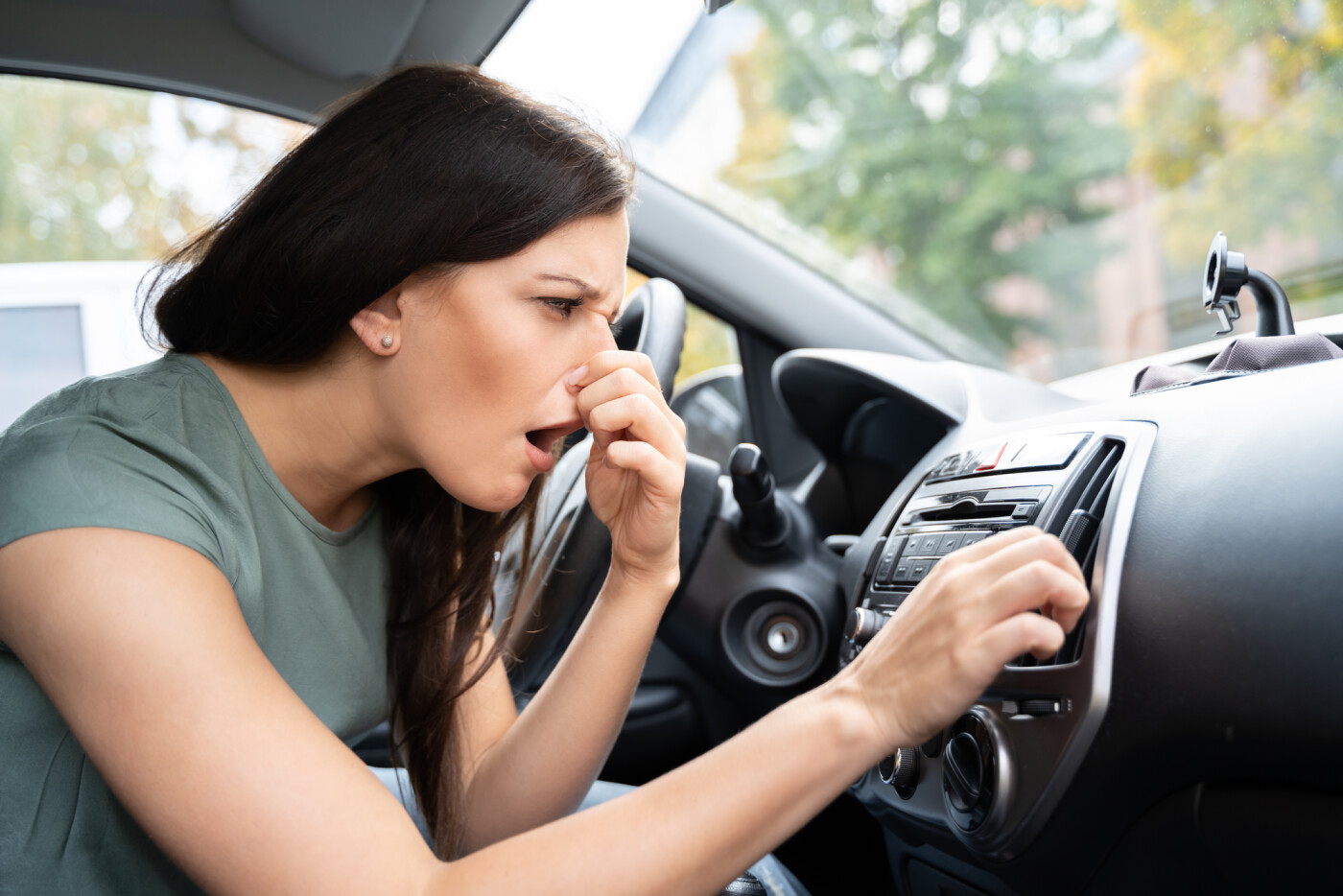
To get rid of a raw fuel smell in your car, first check for fuel leaks in the engine bay, fuel lines, or under the vehicle and repair any issues immediately. Replace a damaged fuel cap and ensure it seals properly. Clean or replace the cabin air filter if fumes have entered the interior. Ventilate the car by opening windows, and use odor absorbers like baking soda or activated charcoal inside the cabin. Persistent fuel odors may require professional inspection to prevent safety hazards.
The Cleanup Kit: How to Neutralize Gas Odors Permanently
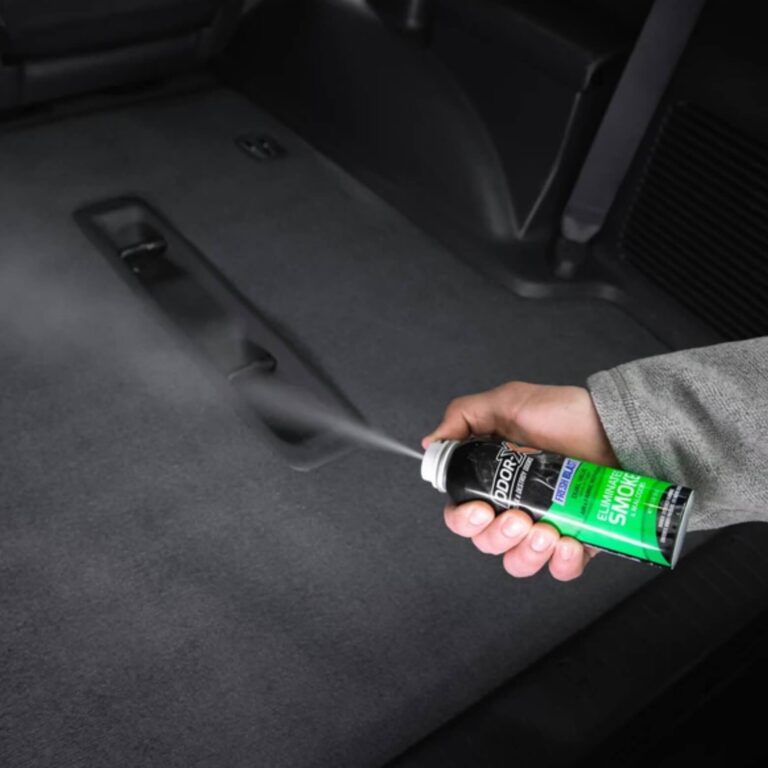
Once you’ve identified and fixed the mechanical leak, the lingering “raw fuel” smell can stay trapped in your upholstery for weeks. Standard air fresheners just mask it; you need products that break down the hydrocarbons.
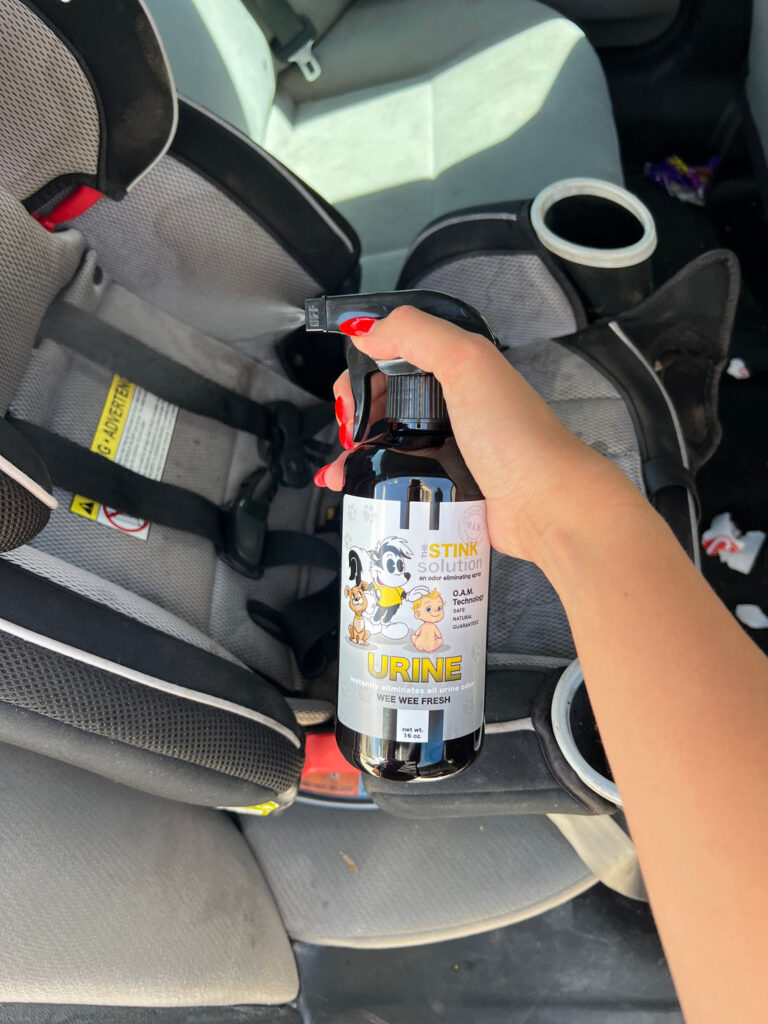
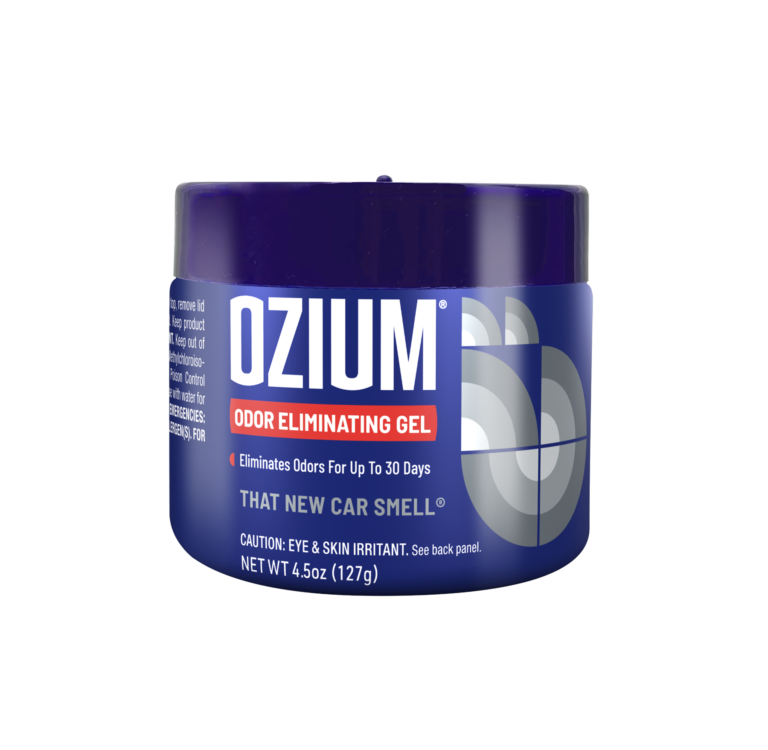
Product Type Top Recommendation Why it works for Fuel Enzymatic Cleaner Rocco & Roxie Supply Co. Stain & Odor Eliminator Professional strength; breaks down molecular bonds of the odor. Odour Absorber Ozium Air Sanitizer (Original) A “bomb” in a can. Actually cleans the air via chemical glycol. Natural Desiccant MOSO NATURAL Bamboo Charcoal Bag Continuous, passive absorption for 2+ years. Our Top Pick: Rocco & Roxie Professional Strength Odor Eliminator
While usually marketed for pets, this is the best way to get rid of raw fuel smell in car carpets. Fuel is an organic compound; the enzymes in this spray “eat” the residue instead of just covering it up with perfume.
How to use: Spray liberally on the affected carpet, let sit for 10 minutes, and blot dry.
Fix leaks, tighten the gas cap, clean spills, and repair EVAP or injector seals.
If your cabin reeks like a gas station, you need answers now. I’ve spent years chasing fuel smells on daily drivers and track cars. In this guide, I’ll show you how to get rid of raw fuel smell in car the right way. You’ll learn what causes it, what to check first, how to clean odors, and when to call a pro. Simple steps, clear signs, and safe fixes you can trust.
How To Get Rid Of Diesel Smell In Car– Causes & Best Solutions
Safety first: what to do right now
Raw fuel is flammable. Treat the smell as urgent. Your goal is to find the source fast and keep everyone safe.
Do this before you troubleshoot:
- Park outside in open air. Turn the engine off and let it cool.
- Avoid smoking, sparks, or open flames near the car.
- Pop doors and trunk for airflow. If the smell is very strong, step back.
- Look under the car for wet spots or drips. Use a flashlight, not a lighter.
- If you see an active leak or the smell is intense, get a tow. Do not drive.
If the smell is light and you just fueled up, check the gas cap first. A loose cap is common and easy to fix.
What causes a raw fuel smell in a car
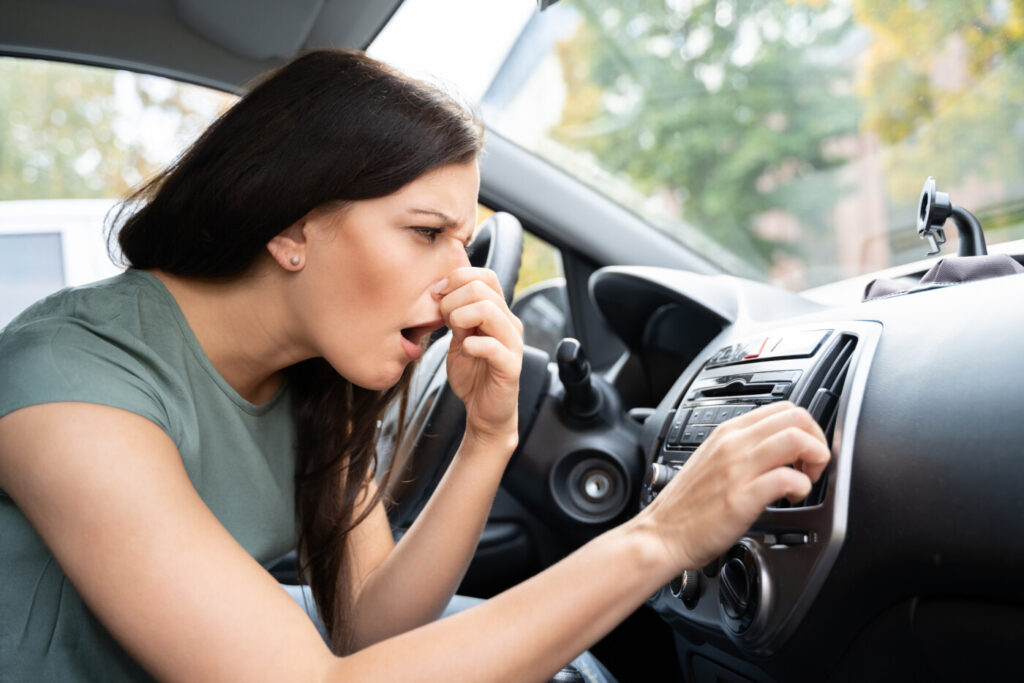
A raw fuel smell points to a leak, a rich-running engine, or an EVAP issue. Knowing where you smell it helps you find the cause.
Common sources:
- Near the rear of the car. Loose gas cap, cracked filler neck, bad pump module seal, or soaked trunk carpet from a spilled can.
- Under the car, middle area. Rusted fuel lines, bad fuel filter connections, or aging rubber hoses.
- Engine bay. Leaking injector O-rings, loose fuel rail fittings, brittle vacuum or EVAP hoses, or a weeping fuel pressure regulator.
- Inside the cabin. Spill on carpet or cargo mat, bad cabin filter holding fumes, or EVAP vent line leak near the firewall.
- At the tailpipe. Engine running rich from a misfire, bad O2 sensor, stuck injector, dirty MAF sensor, or low compression in one cylinder.
Look for check engine light codes too. Small and large EVAP leaks often set codes like P0442, P0455, or P0456. Rich mix or misfire can set P0172 or P0300-series codes.
Knowing these patterns is a big part of how to get rid of raw fuel smell in car without guessing.
Step-by-step guide: how to get rid of raw fuel smell in car
Use these steps to find and fix the source. This is the safest way to get quick results.
- Check the gas cap
- Make sure it clicks tight. Inspect the rubber seal for cracks.
- If the seal is hard or torn, replace the cap. It is cheap and often solves the problem.
- Inspect for leaks
- With the engine off, use a flashlight to scan the tank area, fuel lines, filter, and the engine bay.
- Look for damp spots, stains, or dirt that looks stuck to wet fuel.
- Pay close attention to injector bases, rail ends, and hose clamps.
- Start and smell
- Start the car and look again. Sniff near the engine and along the car sides. Do not lean over moving parts.
- If the smell spikes near injectors, replace the O-rings. If it spikes near the tank, check the pump seal and filler neck.
- Scan for codes
- Use an OBD-II scanner. Note EVAP codes like P0442 or purge/vent codes like P0496.
- Fix codes that point to EVAP purge solenoids, vent valves, or leaks in hoses.
- Check EVAP system
- Inspect charcoal canister and hoses for cracks or fuel saturation.
- Make sure the purge valve is not stuck open, which can pull fumes into the intake and cabin.
- Address rich-running issues
- If the smell is stronger at the tailpipe, check for misfires, old plugs, dirty air filter, or a bad MAF sensor.
- Replace spark plugs if they are worn. Clean the MAF with MAF-safe cleaner. Repair any misfire.
- Clean spills
- If you spilled fuel in the trunk or cabin, pull mats and use absorbent. Then deep clean using the steps below.
- Verify the fix
- After repairs, run the car and recheck all areas. Clear codes and drive a full cycle.
- If the smell returns, get a smoke test. It finds tiny EVAP leaks fast.
Follow these steps and you will master how to get rid of raw fuel smell in car in a safe, smart way.
How to Get Rid of Gasoline Smell in Car (2026) – Causes & Quick Fixes

Deep clean: removing lingering gas odor from interior
Even after a fix, odors can stick to carpets and foam. Clean them well so the smell does not return.
Do this for spills or lingering odors:
- Blot first. Use paper towels or absorbent to pull up liquid fuel. Do not rub it in.
- Treat the area. Use an enzyme or dedicated upholstery cleaner. Work in small sections.
- Rinse and extract. A wet vac or small extractor pulls out residue fast.
- Use baking soda. Sprinkle, let sit overnight, then vacuum. It helps neutralize fumes.
- Vent and heat. Park in shade with doors open and fans running. Heat cycles help odors fade.
- Use activated charcoal. Place bags inside for a few days. Replace as needed.
- Replace the cabin air filter. Fuel fumes can get trapped in the media.
- Use ozone with care. Short, controlled ozone sessions can help, but remove people and pets. Do not overdo it or it may harm rubber and trim.
A clean cabin is a key part of how to get rid of raw fuel smell in car, especially after a spill.

Diagnosis tips from the field
Real cases help you spot patterns. Here are a few that taught me a lot.
- Loose gas cap after fill-up. Driver got a strong smell near the rear. No leaks. Cap gasket was hard and cracked. New cap fixed it at once.
- Injector O-ring leak on a cold morning. Light wetness at injector base, stronger smell at start-up. O-rings shrink when cold. New O-rings and a tiny dab of assembly lube solved it.
- Cracked EVAP hose near canister. Small EVAP leak code, faint garage smell, no liquid fuel. A short brittle hose was split. New hose cleared the code and the smell.
- Pump module seal failing after a tank replacement. Smell near rear seat area, top of tank wet after long drives. Replaced seal and retorqued the ring in steps. Fixed.
Lessons learned:
- Always start with the gas cap. It is the top fix for how to get rid of raw fuel smell in car.
- Cold-start smells often point to injector seals or rail fittings.
- Faint, constant smells with no drips point to EVAP leaks or spills.
- If you smell fuel strongest at the tailpipe, fix misfires first.

Cost, time, and when to call a pro
Not all fixes cost a lot. Some are fast and cheap.
Typical ranges:
- Gas cap. 10 to 35 dollars. Five minutes.
- Injector O-rings. 10 to 40 dollars in parts. One to two hours.
- EVAP purge or vent valve. 40 to 150 dollars in parts. One hour.
- Charcoal canister. 100 to 400 dollars in parts. One to two hours.
- Fuel lines or pump seal. 50 to 300 dollars in parts. One to three hours.
Call a pro if:
- You see an active leak or smell is very strong.
- You get EVAP codes that do not clear after a cap or hose fix.
- You do not have safe access to the top of the tank.
- You smell fuel in a hot engine bay and cannot find the source.
If you want to learn how to get rid of raw fuel smell in car with zero guesswork, ask for a smoke test. It finds tiny leaks in minutes.
Prevention checklist to keep fuel smells away
Small habits prevent big problems. Use this quick list.
- Click the gas cap every time you fuel up.
- Do not top off the tank after the first click at the pump.
- Inspect rubber hoses and clamps each oil change.
- Replace old fuel filters on schedule.
- Keep the engine tuned. Fresh plugs, clean air filter, and a clean MAF help prevent rich running.
- Use quality parts for injector seals and fuel hoses.
- If you ever spill gas, clean it right away.
These steps help you avoid fixes later and reduce the need to learn how to get rid of raw fuel smell in car the hard way.

Quick answers to common search questions
- Why do I smell gas only after refueling?
Often a loose cap or a cracked filler neck seal. Tighten or replace the cap and inspect the neck and hoses. - Can a misfire cause a raw fuel smell?
Yes. Unburned fuel reaches the exhaust. Fix plugs, coils, or injectors and clean the MAF to restore a proper burn. - Is it safe to drive with a fuel smell?
Avoid it. A leak can ignite. If the smell is strong or you see wet fuel, tow the car.
Frequently Asked Questions of how to get rid of raw fuel smell in car
How do I know if the smell is a leak or just fumes?
If you see wet spots or the smell is strongest near one area, it is likely a leak. If it is faint and changes with temperature, it could be EVAP fumes.
Can a bad gas cap really cause a strong fuel smell?
Yes. A cracked seal or loose cap lets fumes vent. Replacing the cap is an easy first step in how to get rid of raw fuel smell in car.
What codes should I look for with a fuel smell?
Look for P0442, P0455, or P0456 for EVAP leaks. Rich or misfire codes like P0172 or P0300 can point to unburned fuel issues.
How do I clean fuel smell from carpet or trunk?
Blot, then clean with an enzyme or upholstery cleaner. Use baking soda and activated charcoal to pull out the last traces.
Will an oxygen sensor cause a gas smell?
A bad O2 sensor can make the engine run rich. That can create a raw fuel smell at the tailpipe until it is fixed.
How long should the smell last after a small spill?
Light spills can fade in one to three days with good airflow and cleaning. Use charcoal bags to speed it up.
Should I replace injector O-rings if I smell gas in the engine bay?
If you see dampness around injectors or smell fuel on cold starts, replace the O-rings. It is a common, low-cost repair.
Conclusion
A raw fuel smell is not normal, and it is not safe to ignore. Start with the gas cap, look and sniff for leaks, scan for codes, and clean any spills. Use simple tools and clear steps to fix the cause, then deep clean the cabin so the odor is gone for good.
You now know how to get rid of raw fuel smell in car with confidence. Take action today, protect your car, and breathe easy on every drive. If you found this helpful, share it, subscribe for more simple car care guides, or drop your question in the comments.

One Comment
Comments are closed.