To get rid of a brake pad burning smell in your car, allow the brakes to cool down completely and avoid driving aggressively until the issue is resolved. The smell is usually caused by overheating from hard braking, riding the brakes, or sticking calipers. Check for worn brake pads, seized brake components, or debris caught in the brake assembly. If the smell persists or you notice reduced braking performance, have the braking system inspected immediately to prevent damage or safety risks.
1. If the Brakes are New (The “Break-In” Period)
If you just had new pads installed, the smell is likely “curing” resins. This is normal and should vanish after 200 miles.
- The Fix: Avoid heavy braking for the first few days.
2. If the Brakes are Old (The Cleaning Fix)
Often, the smell is caused by brake dust buildup or a seized caliper causing friction. Dust and road grime bake onto the hot rotor, creating a persistent chemical odor.
Problem Recommended Solution Why it Works Brake Dust Odor Sonax Full Effect Wheel Cleaner Dissolves iron particles that cause “hot” smells. Seized Hardware Permatex Ceramic Extreme Brake Lubricant Prevents pads from sticking and burning against the rotor. Glazed Pads 3M High Power Brake Cleaner Removes oil and grease that burn off during braking.
Pull over, let brakes cool, check for dragging parts, and fix glazed pads.
That sharp, acrid brake smell is more than a nuisance. It is a message from your car. In this guide, I’ll show you how to get rid of brake pad burning smell in car the right way. We will cover causes, quick fixes, deep repairs, and smart driving habits. You will learn what to check, what to replace, and when to see a pro. I’ve helped drivers solve this on steep mountain roads, after track days, and in daily traffic. Let’s keep your brakes safe, quiet, and odor‑free.
How To Get Rid Of Power Steering Fluid Smell in Car?– Leak Detection & Quick Solutions That Work
What the burning brake smell really means
A burning brake smell comes from overheated friction material. It can be normal after a heavy stop. It can also warn you of dragging brakes.
Think of your brakes like matches. Friction makes heat. Too much heat makes smoke and smell. Pads can glaze. Rotors can turn blue. Hardware can stick.
Smell that shows up after a long hill may pass fast. Smell that lingers in city driving points to a fault. If you want how to get rid of brake pad burning smell in car for good, you must find the root cause.
Quick answers
Is a slight smell normal after new pads?
Yes, some smell is normal during bedding. It should fade in 50–150 miles.
Should I keep driving if the smell is strong?
No. Pull over and let the brakes cool. Driving on can warp rotors or damage pads.
Can a stuck parking brake cause the smell?
Yes. A partially engaged parking brake will overheat a rear wheel fast.
How to Get Rid of Tire Burning Smell in Car?– What’s Causing & Quick Fixes
Common causes of a brake pad burning smell
Here are the reasons I see most often in the shop. Fixing the right one is how to get rid of brake pad burning smell in car without guesswork.
Riding the brakes on hills
Resting your foot on the pedal builds heat. Long descents cook pads. Use lower gears.
Stuck caliper piston
Corrosion or debris can hold a piston out. The pad drags and bakes.
Seized caliper slide pins
Dry, rusty, or bent pins make uneven pad contact. One pad does all the work.
Parking brake left on or misadjusted
A partially applied lever or tight cable holds rear shoes or pads.
New pads not bedded in
Fresh pads need a heat cycle. Light smoke and smell can be normal early on.
Towing or hauling heavy loads
Extra mass asks more from the brakes. Heat climbs fast under load.
Contaminated pads or rotor
Grease, oil, or brake fluid on friction surfaces burns when hot.
Collapsed brake hose
An internal hose flap holds pressure. The brake drags after you release.
Warped or overheated rotors
Dark blue spots and hard spots cause hot spots and odor.
Low‑quality or wrong‑compound pads
Cheap pads can overheat fast and smell more under stress.
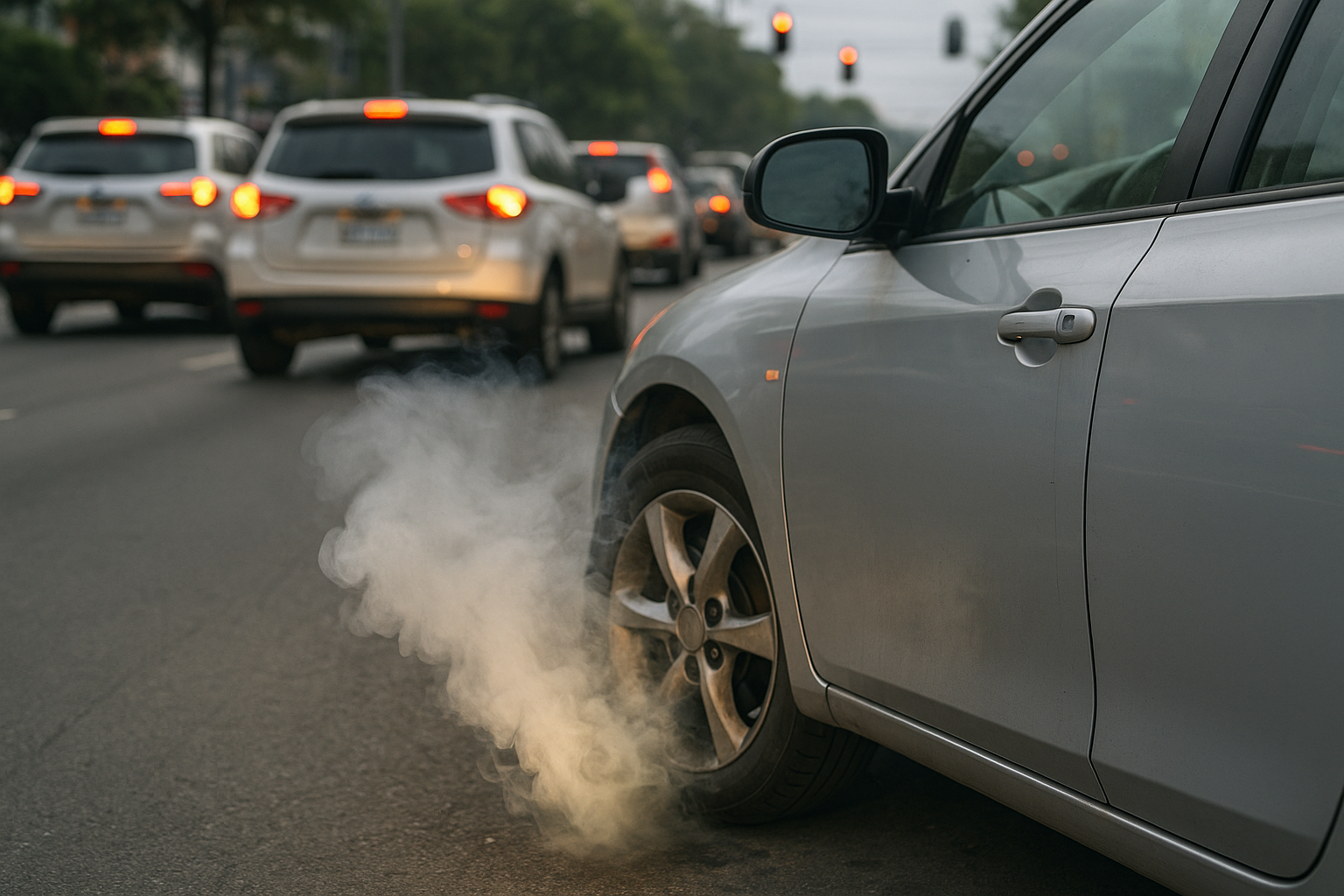
Immediate steps to get rid of the smell right now
If you smell burning brakes while driving, act fast and safe. These steps protect parts and help you diagnose.
- Pull over in a safe spot. Put the car in Park. Do not set the parking brake if you suspect heat at the rear.
- Let brakes cool for 15–30 minutes. Open the hood to help heat escape.
- Do not spray water on hot brakes. Rapid cooling can crack rotors.
- Do a careful wheel heat check. Hover your hand near each wheel. Do not touch. A much hotter wheel points to the problem corner.
- If safe, roll the car slowly. Listen for scraping. Note if the car pulls to one side.
- Gently drive off. Use engine braking. Avoid heavy pedal use for the next few miles.
These steps help you start how to get rid of brake pad burning smell in car without making damage worse.
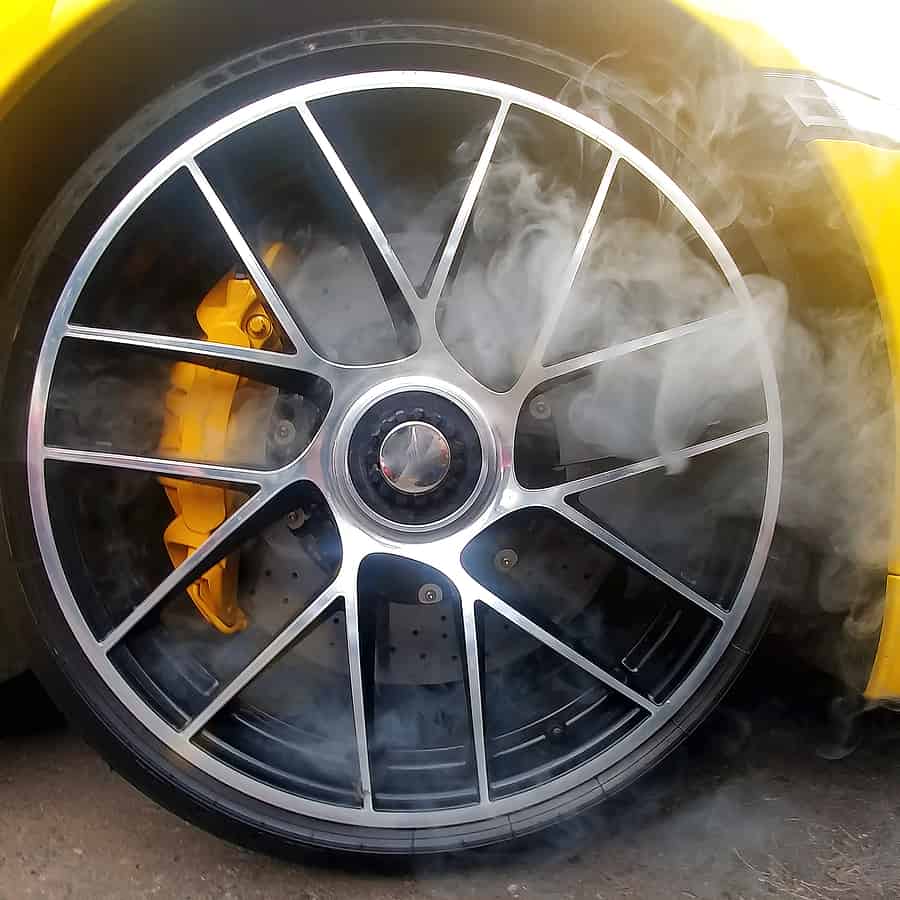
DIY inspection checklist
You can spot many brake issues with simple checks. Use gloves, eye protection, and jack stands.
- Look for stuck parking brake parts. Make sure the lever returns fully and cables move free.
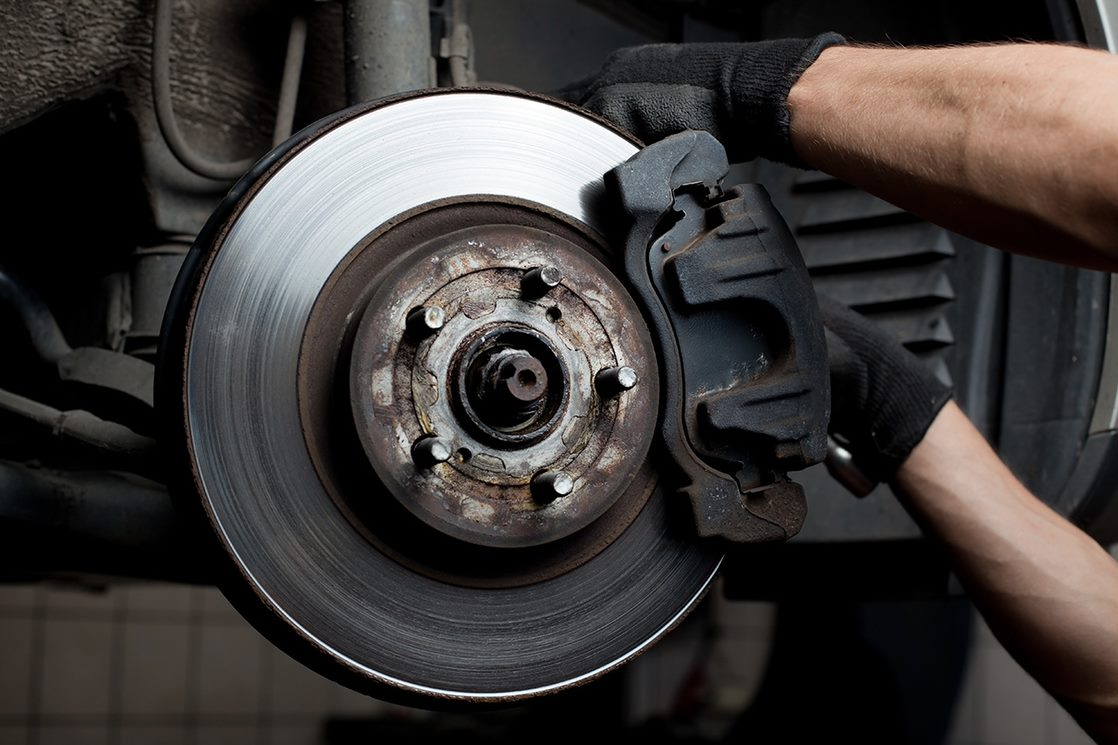
- Inspect pad thickness through the caliper window. Less than 3 mm needs service.
- Check rotor color. Blue or purple tints mean heat. Look for cracks or deep grooves.
- Wiggle the caliper by hand. Slides should move smooth. Stiff slides need cleaning and lube.
- Spin each wheel off the ground. A dragging corner stops early or feels rough.
- Smell near each wheel. A strong odor at one corner confirms the source.
- Check for leaks. Look at calipers, hoses, and the master cylinder. Fluid on pads will burn.
- Verify pedal free play and return. A blocked or misadjusted pedal can hold pressure.
Do not open the hydraulic system unless you know how to bleed brakes. If in doubt, see a pro. This careful check is the backbone of how to get rid of brake pad burning smell in car for good.
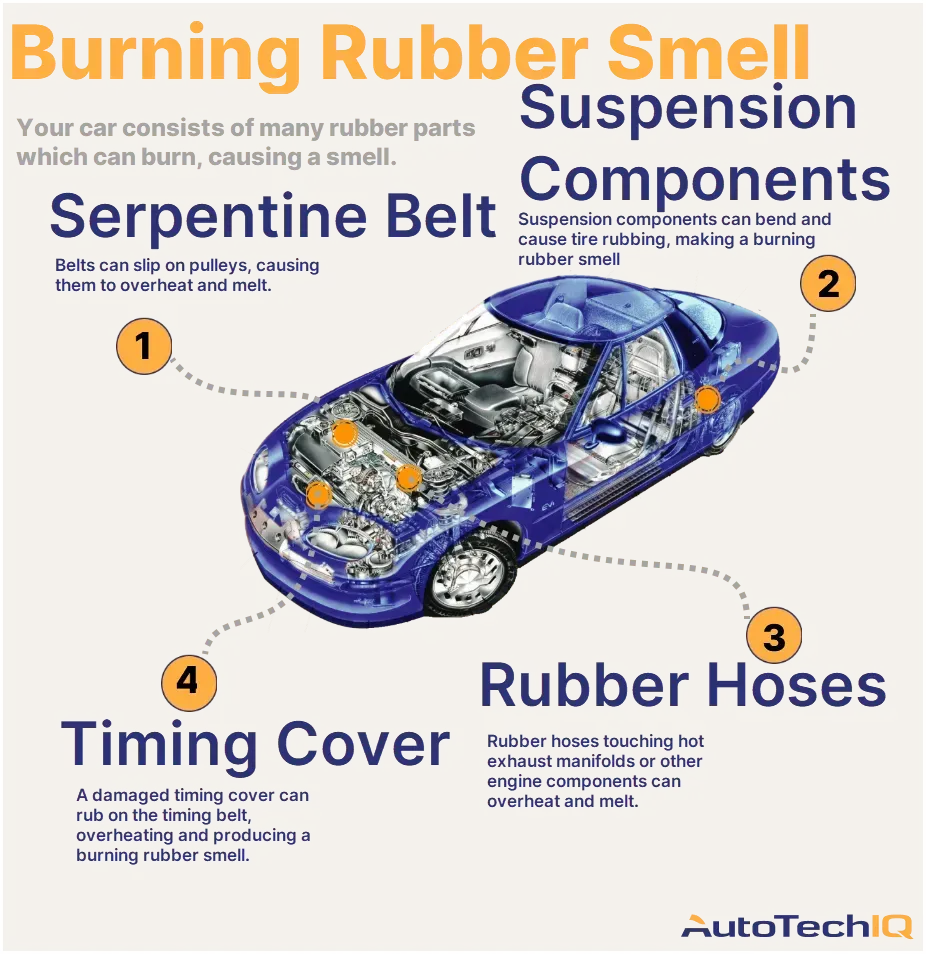
Proven fixes that stop the smell
Below are the fixes I use most often. Follow torque specs from your service manual. Keep everything clean.
Clean and lube caliper slide pins
- Remove pins and boots.
- Clean rust with a brush. Replace torn boots.
- Use high‑temp silicone brake grease on pins. Reassemble.
Free or replace a sticking caliper
- Test the piston for smooth movement.
- If it binds, rebuild with new seals or install a loaded caliper.
- Bleed the system after any caliper work.
Replace glazed pads and service rotors
- Glazed pads look shiny and feel hard.
- Replace pads. Resurface or replace rotors to a matched surface.
- Avoid sanding pads; replacement is safer and more consistent.
Adjust or repair the parking brake
- Set shoe clearance per spec on drum‑in‑hat systems.
- Free any seized cables or levers. Replace weak springs.
Flush old brake fluid
- Old fluid holds moisture. Boiling makes soft pedal and heat.
- Flush with fresh DOT‑rated fluid every 2 years or per manual.
Bed in new pads the right way
- Do 6–8 medium stops from 35–40 mph to 10 mph. Do not stop fully.
- Then 2–3 harder stops. Drive to cool. Expect a brief smell that fades fast.
Upgrade for heavy use
- If you tow or drive mountains, use higher‑temp pads and slotted rotors.
- Add stainless hoses for better feel. Never upsize brakes without proper kits.
Do these repairs well and you will solve how to get rid of brake pad burning smell in car in a lasting way.

Prevention: habits that keep the smell away
Good habits save pads and stop odors. They also protect rotors and fluid.
- Downshift on hills. Use engine braking to share the load.
- Leave space in traffic. Brake early and light, not late and hard.
- Avoid resting your left foot on the pedal.
- Service brakes every 12 months or 12,000 miles. Clean and lube slides.
- Bed new pads each time you replace them.
- If you tow, plan your route, reduce speed, and consider a trailer brake controller.
These simple steps make how to get rid of brake pad burning smell in car a one‑time task, not a cycle.

Costs, time, and when to see a mechanic
Here is what most drivers can expect.
- Slide pin service: 30–60 minutes per axle. Low cost for grease and boots.
- Pads and rotors: 1–2 hours per axle. Moderate parts cost.
- Caliper replacement: 1 hour per side plus bleeding. Higher parts cost.
- Brake fluid flush: 30–60 minutes. Low to moderate cost.
See a mechanic now if a wheel is too hot to touch after cooling, the car pulls hard when braking, you smell burning after light driving, the pedal feels soft or sinks, or you see leaks. Getting expert help can be the fastest path for how to get rid of brake pad burning smell in car when safety is on the line.
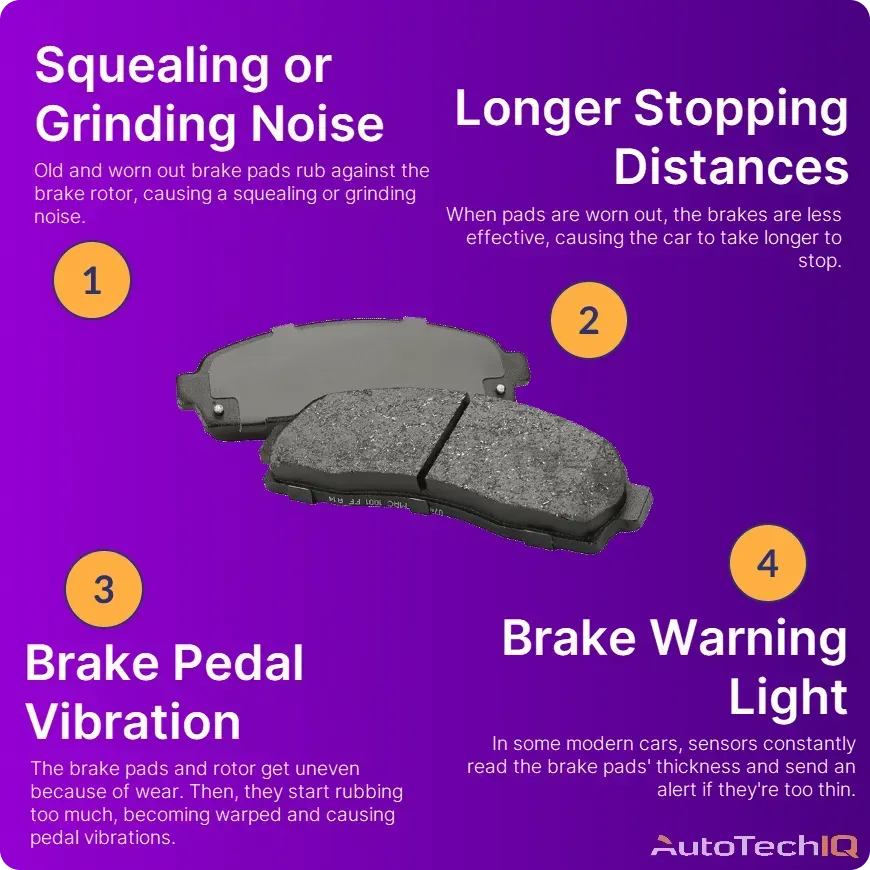
Real‑world example from my bay
A customer came in after a long mountain drive. The right rear wheel was scorching hot. The parking brake cable was frayed and stuck. We freed the lever, replaced the cable, installed new pads and rotors, and bled the system.
We then bedded the pads and coached downhill habits. The smell was gone. This is a classic case that shows how to get rid of brake pad burning smell in car by fixing the true cause, not just masking the odor.

Frequently Asked Questions of how to get rid of brake pad burning smell in car
How long should a new brake smell last?
A light odor can last for the first 50–150 miles during bedding. It should fade with normal use.
Can I spray water on hot brakes to cool them?
No. Sudden cooling can crack rotors and warp parts. Let them air cool.
Why does only one wheel smell hot?
That wheel likely has a dragging brake. Check for a stuck caliper, seized slides, or a tight parking brake.
Do cheap pads cause more smell?
Often yes. Lower‑grade compounds overheat faster and can off‑gas more under stress.
Will a brake fluid flush stop the smell?
It can help if old fluid is boiling and holding heat. But you also need to fix any dragging parts.
Is it safe to drive with a burning brake smell?
It is not wise. Pull over, cool down, and inspect. Driving on can damage pads and rotors and hurt stopping power.
Can contaminated pads be cleaned and reused?
If pads are soaked with oil or brake fluid, replacement is best. Cleaning rarely restores full friction.
Conclusion
A burning brake smell is a warning you should not ignore. Cool the brakes, find the hot corner, and fix the cause. Clean and lube slides, repair stuck parts, and replace glazed pads. Bed new pads and change your driving habits on hills.
Take action today. Use this checklist on your car, or book a trusted shop. Want more tips like this? Subscribe, share your story in the comments, and keep your brakes in top shape.